GRIST
JUNE 5. 2026

A new report finds that for every dollar invested in parks, cities reap $3 in economic benefits. Here's how.
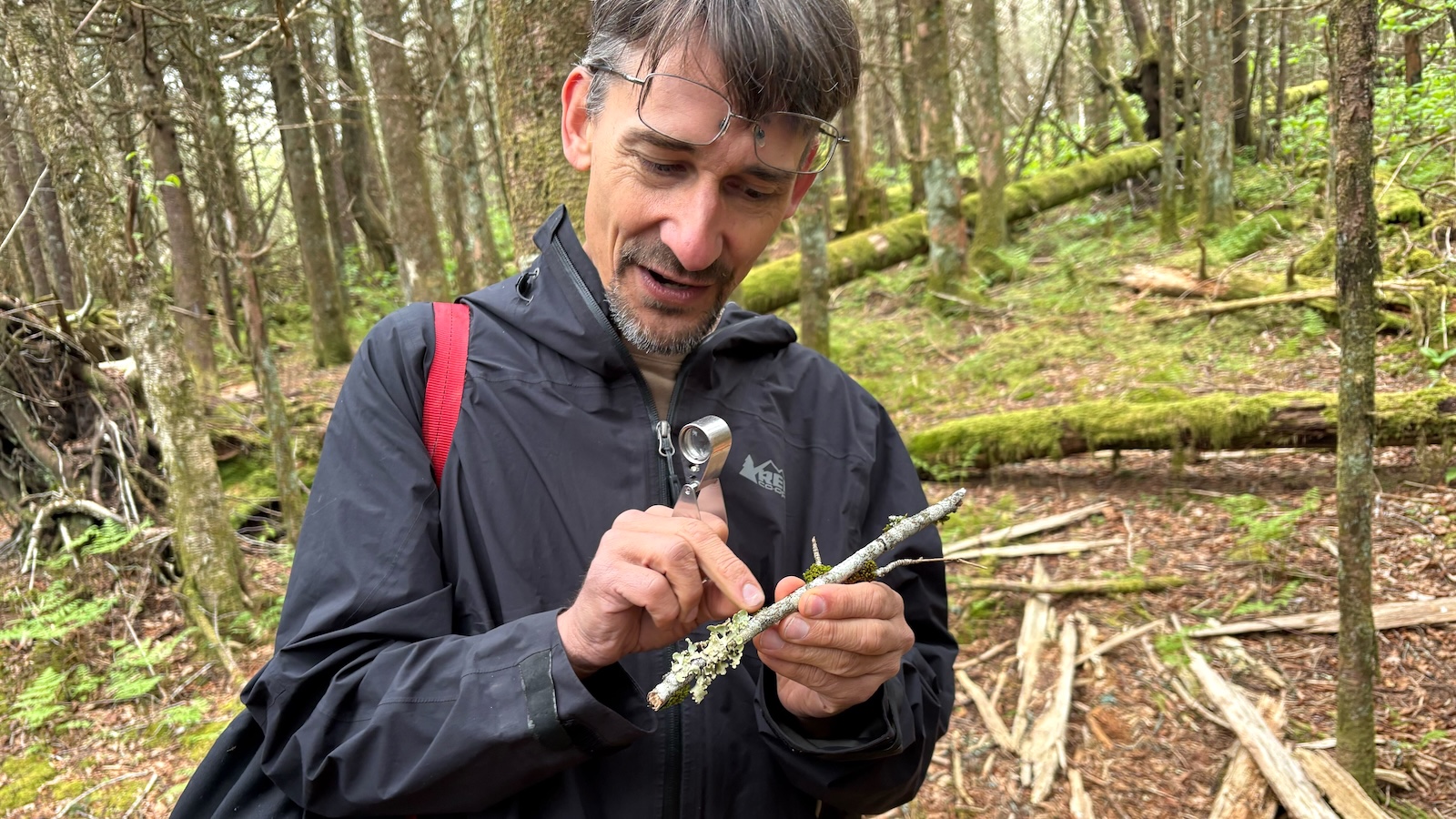
For citizen scientists, counting thousands of species is one way to monitor climate change in America's most biodiverse national park.
JUNE 4. 2026
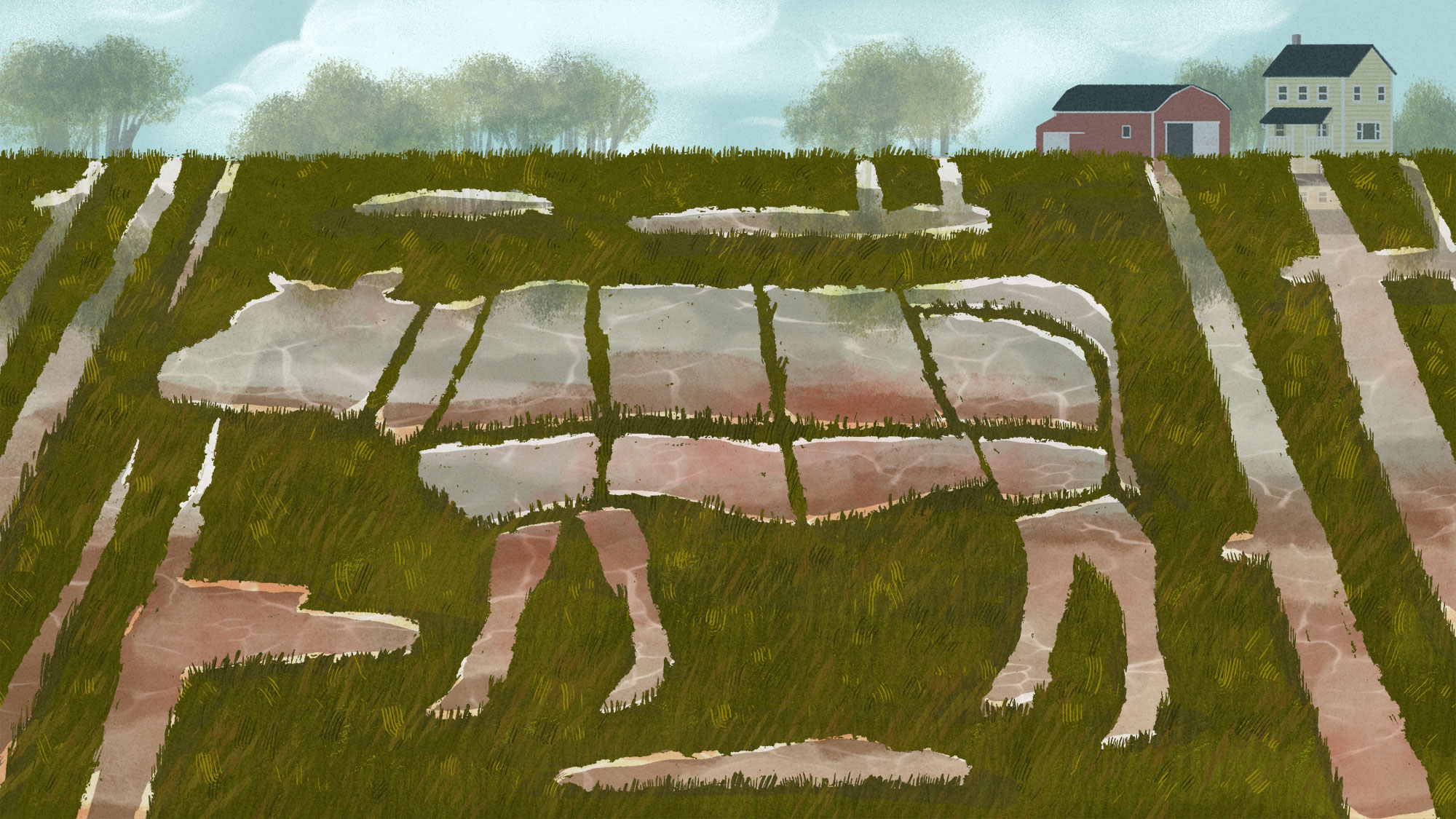
Residents of a Pennsylvania town took on a beef processor after its waste polluted their wells. They won — but little may change.
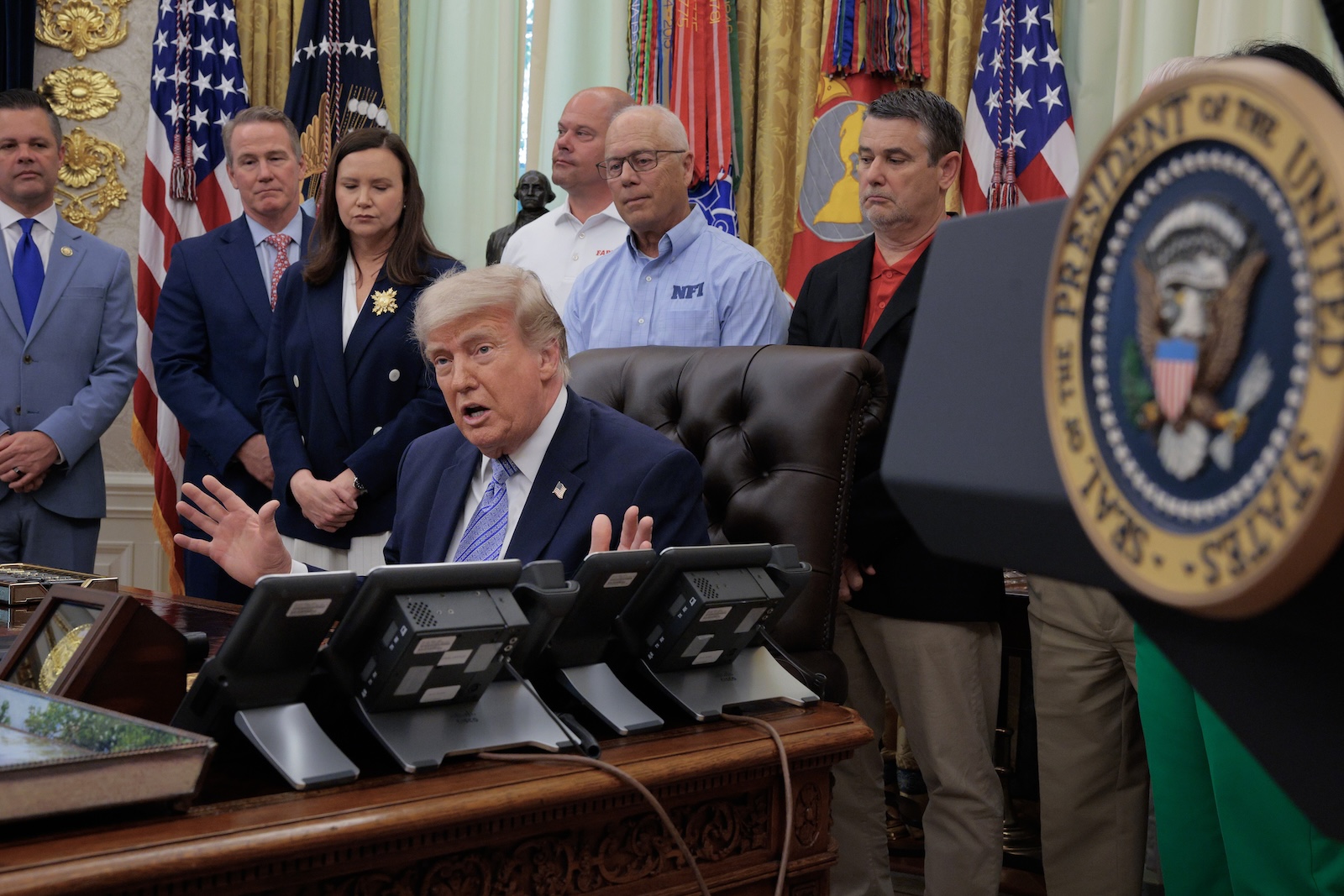
The Trump administration is dismantling two EPA rules, promising cheaper groceries for struggling families. Economists and former officials say it'll only make things pricier.
JUNE 3. 2026
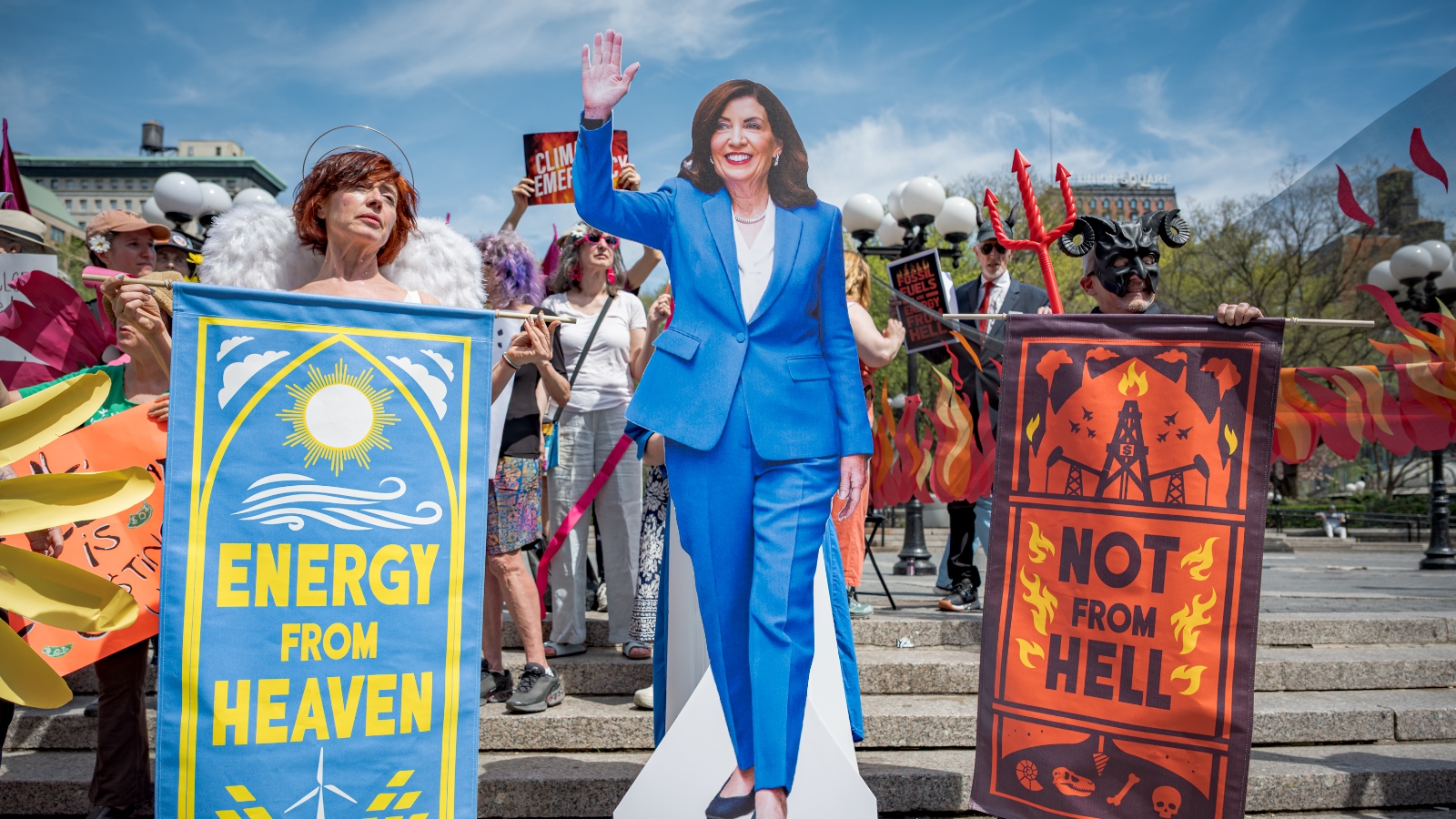
Lawmakers wanted to lead the energy transition, but Governor Kathy Hochul is worried about the cost of ditching natural gas.
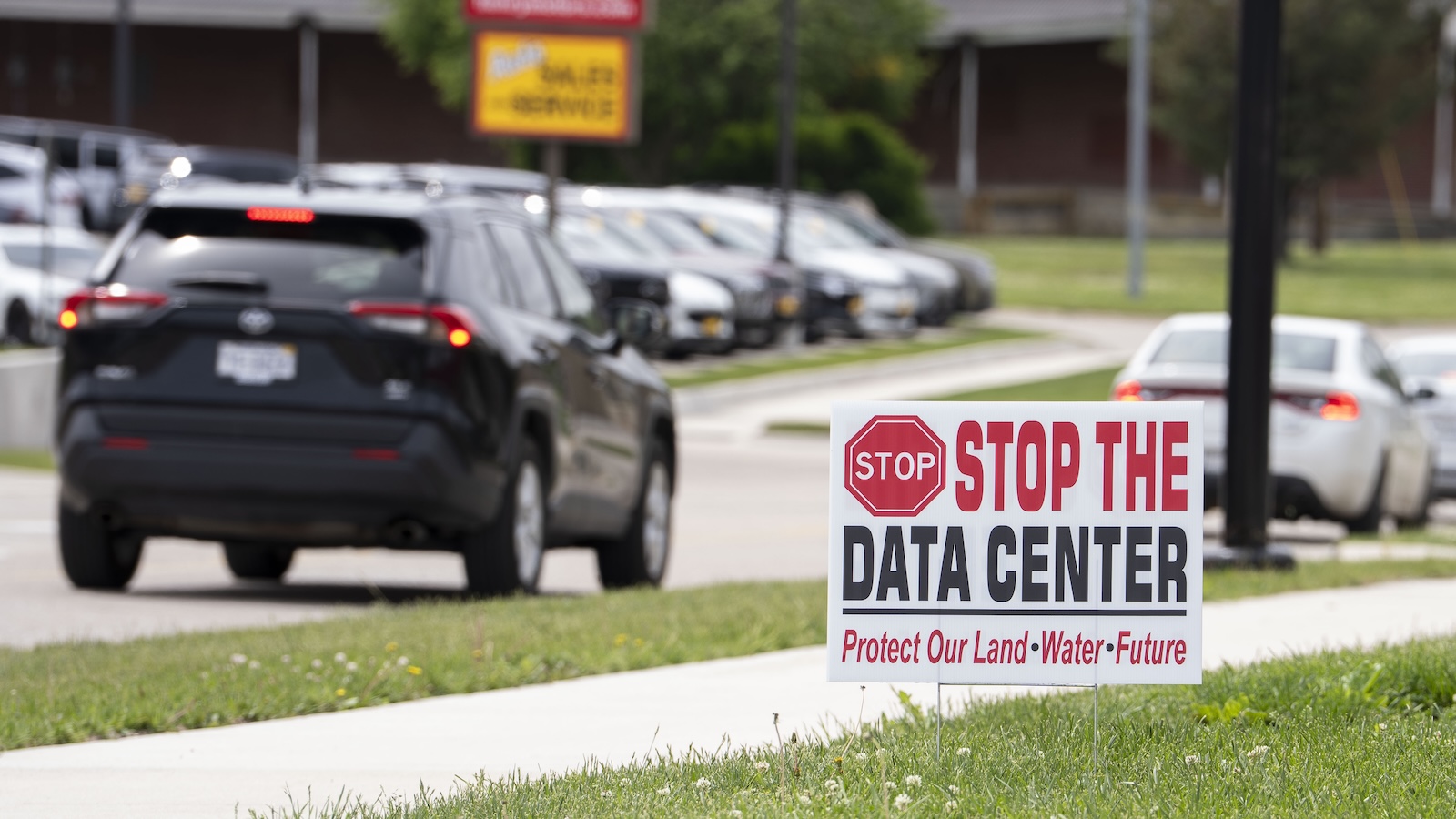
Residents and officials are finding ways to slow down the development rush.
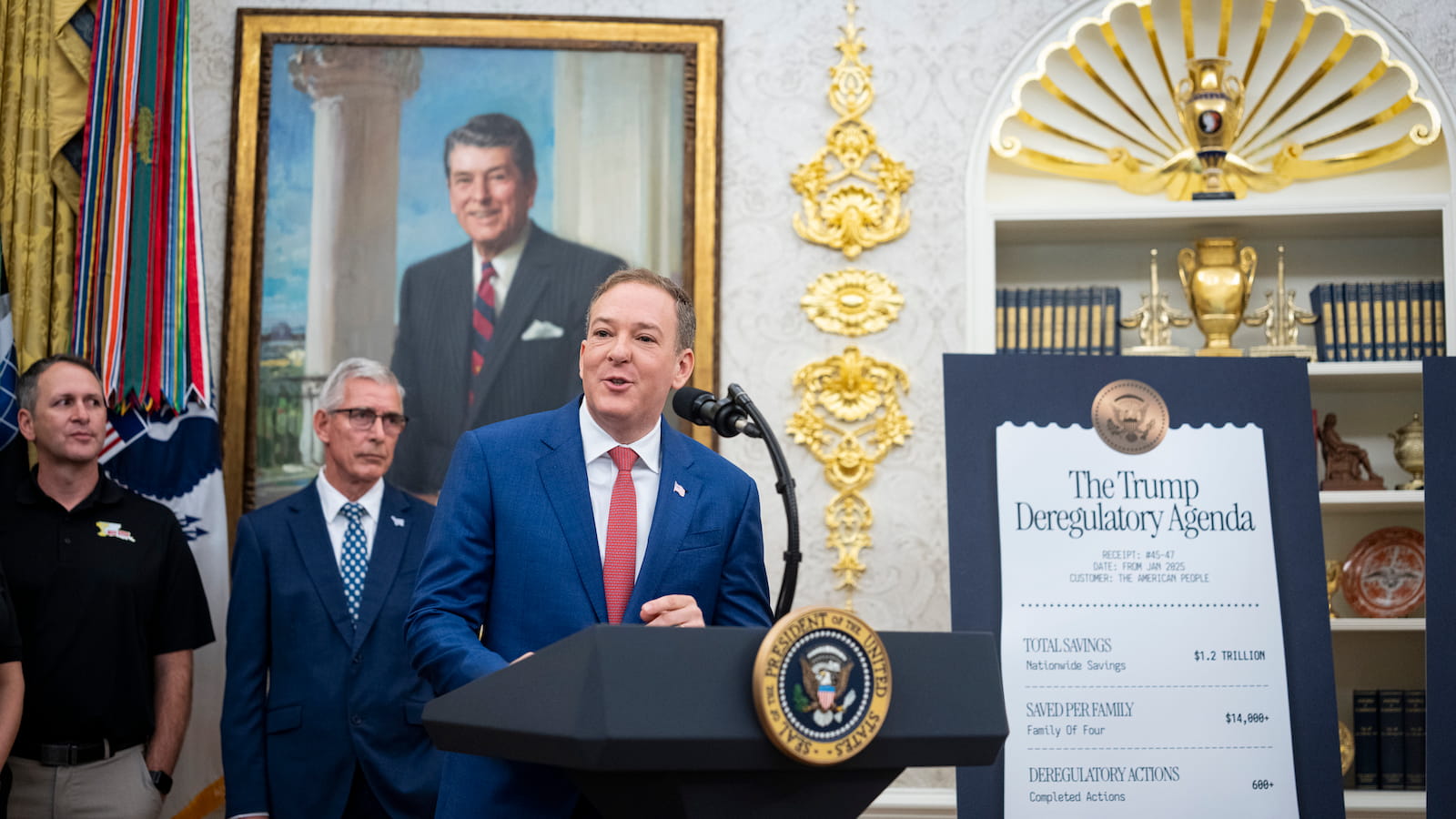
The EPA is distributing billions authorized under the Biden administration while promoting the work as part of the Make America Healthy Again initiative.
JUNE 2. 2026
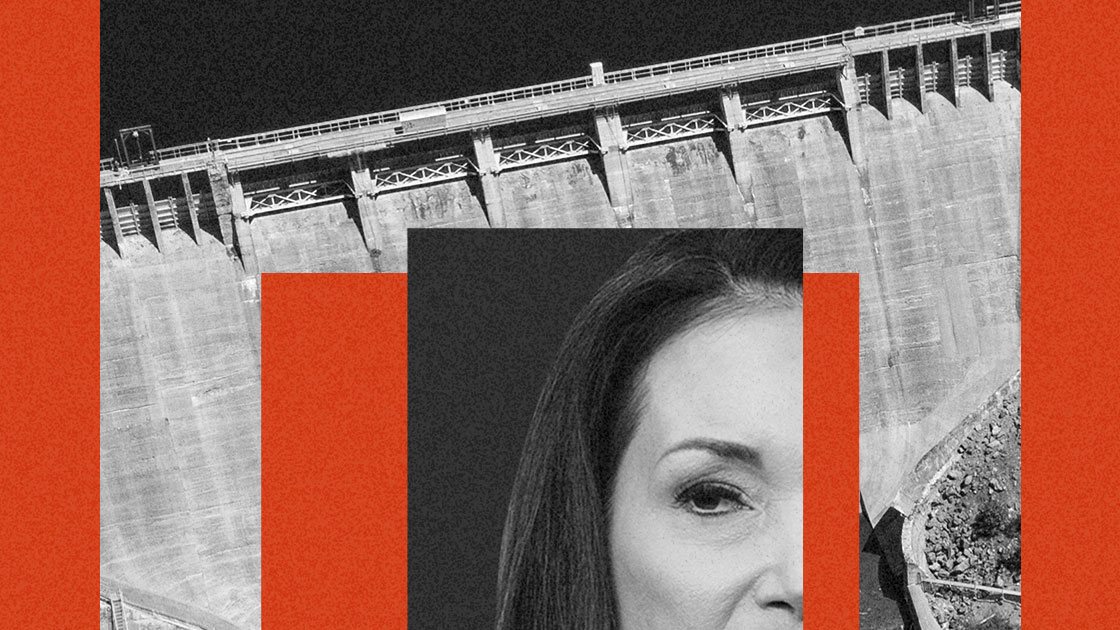
Brooke Rollins’s latest culture war crusade threatens a delicate compromise between Potter Valley farmers and nearby tribes.
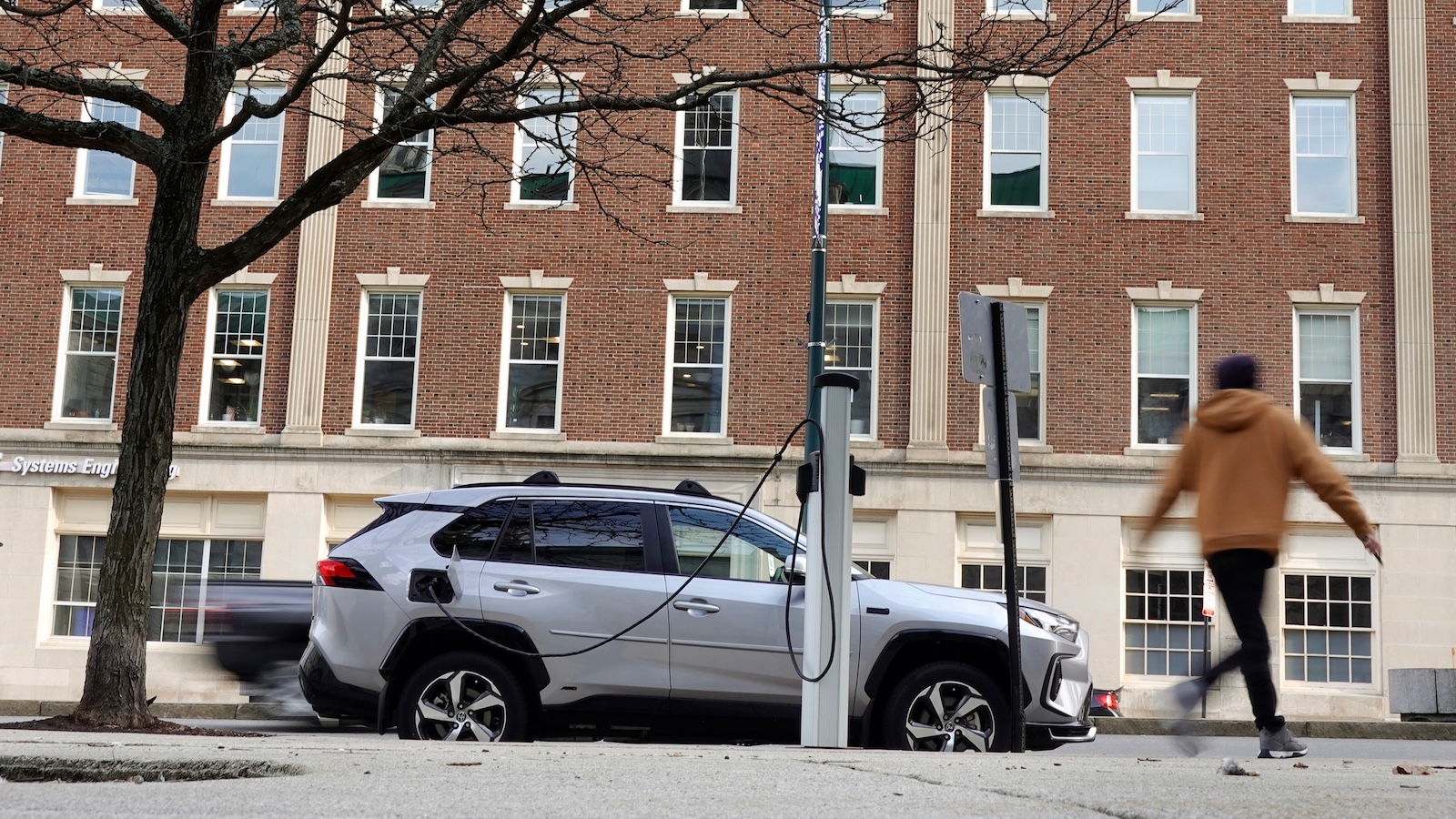
Electric vehicle insurance costs an average of 42 percent more than it does for other cars, in part because of their complexity.
JUNE 1. 2026
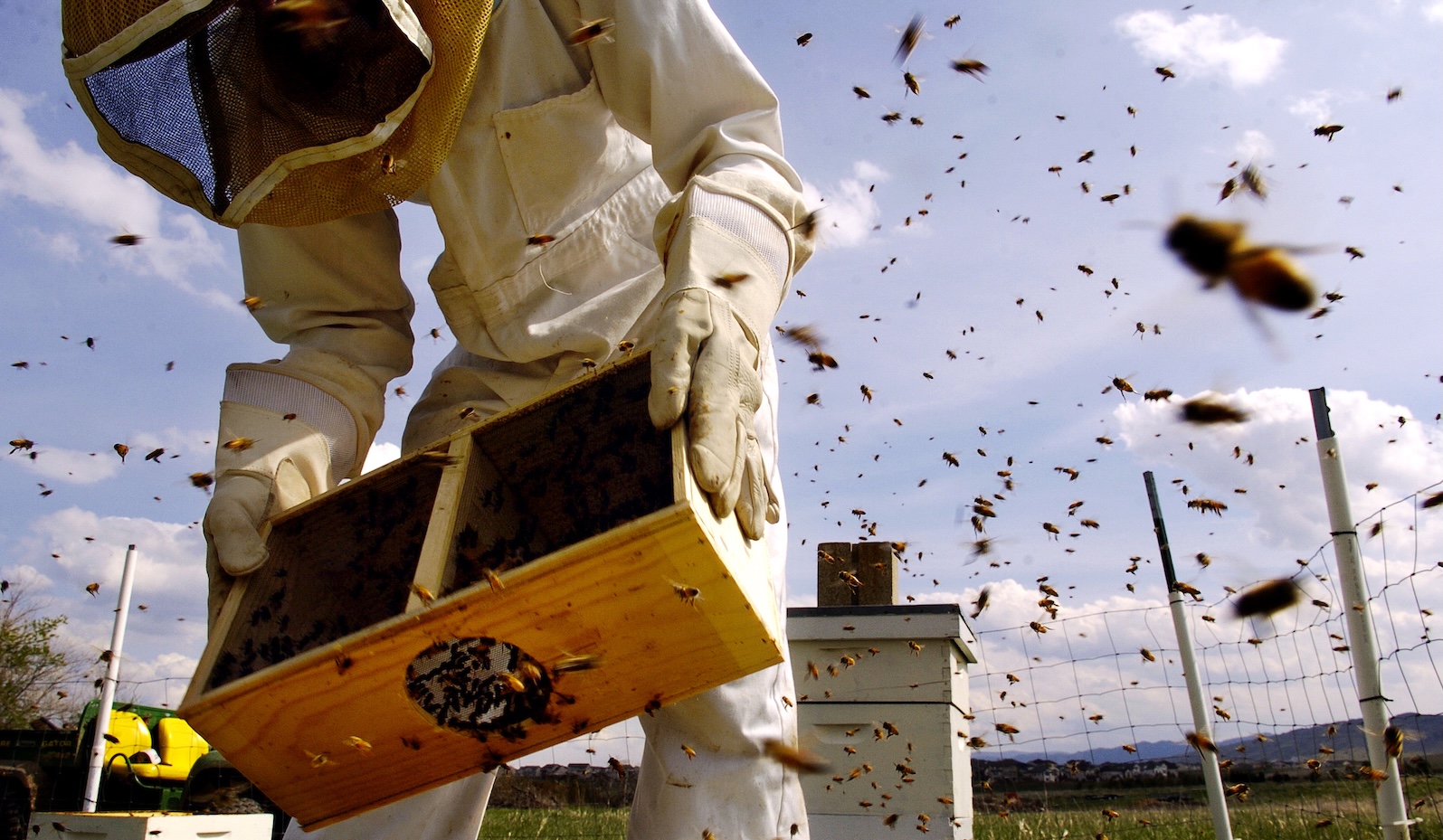
Neonics are contaminating ecosystems and communities.
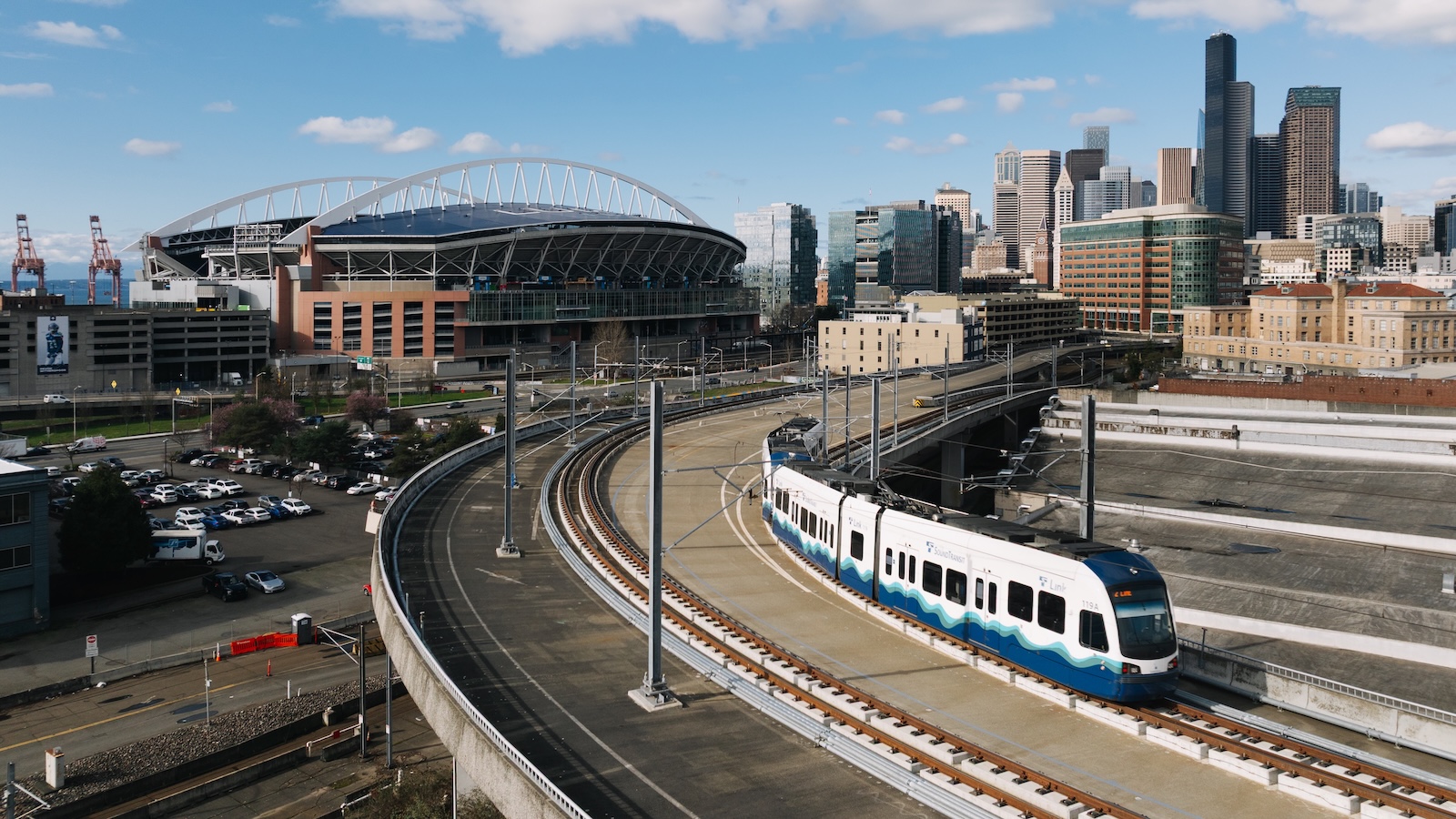
Several host cities used the tournament to speed up transit projects years in the making — and avoid the mistakes of past World Cups.
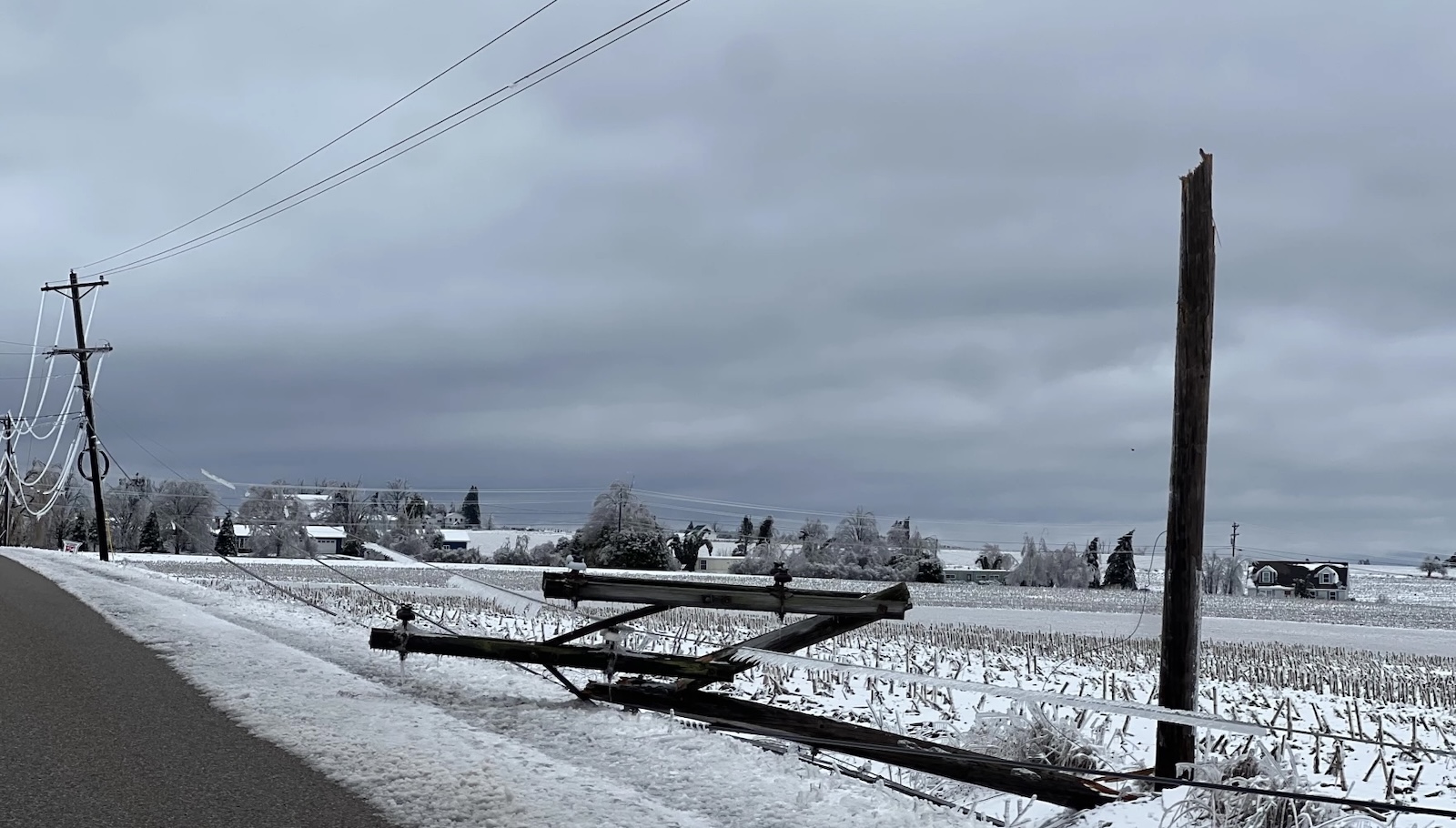
Power lines across the country weren’t designed for a changing climate, with much of the nation’s grid built more than half a century ago. Today, stronger storms and heavier precipitation cause hundreds of outages a year, many because of trees falling on above-ground power lines. In northern Michigan, some utilities want to change that.
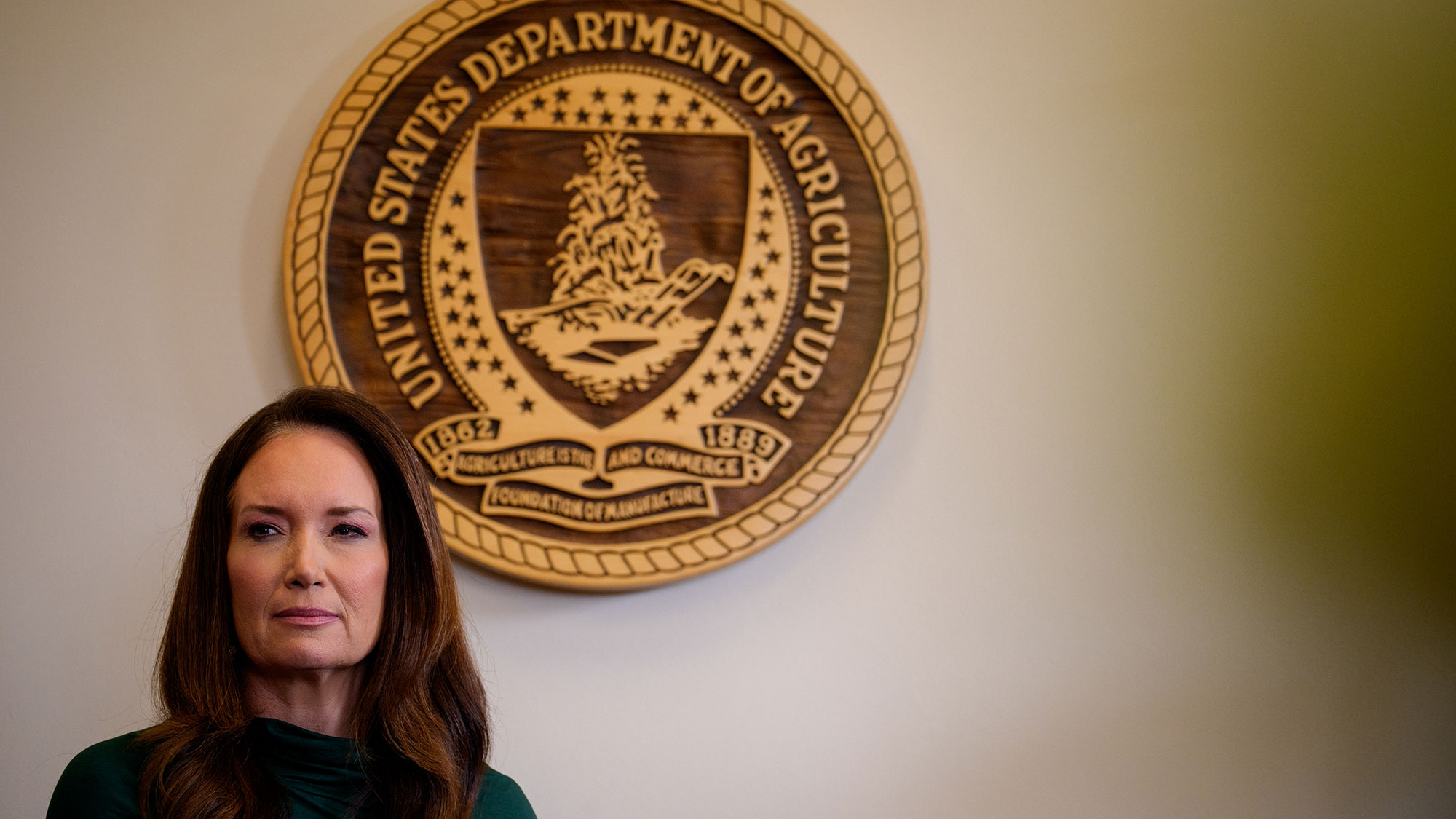
The agency pointed to gazebos, massages, and a $20,000 budget for pens to justify the cuts. But the groups that lost funding say those claims don't add up.
MAY 31. 2026
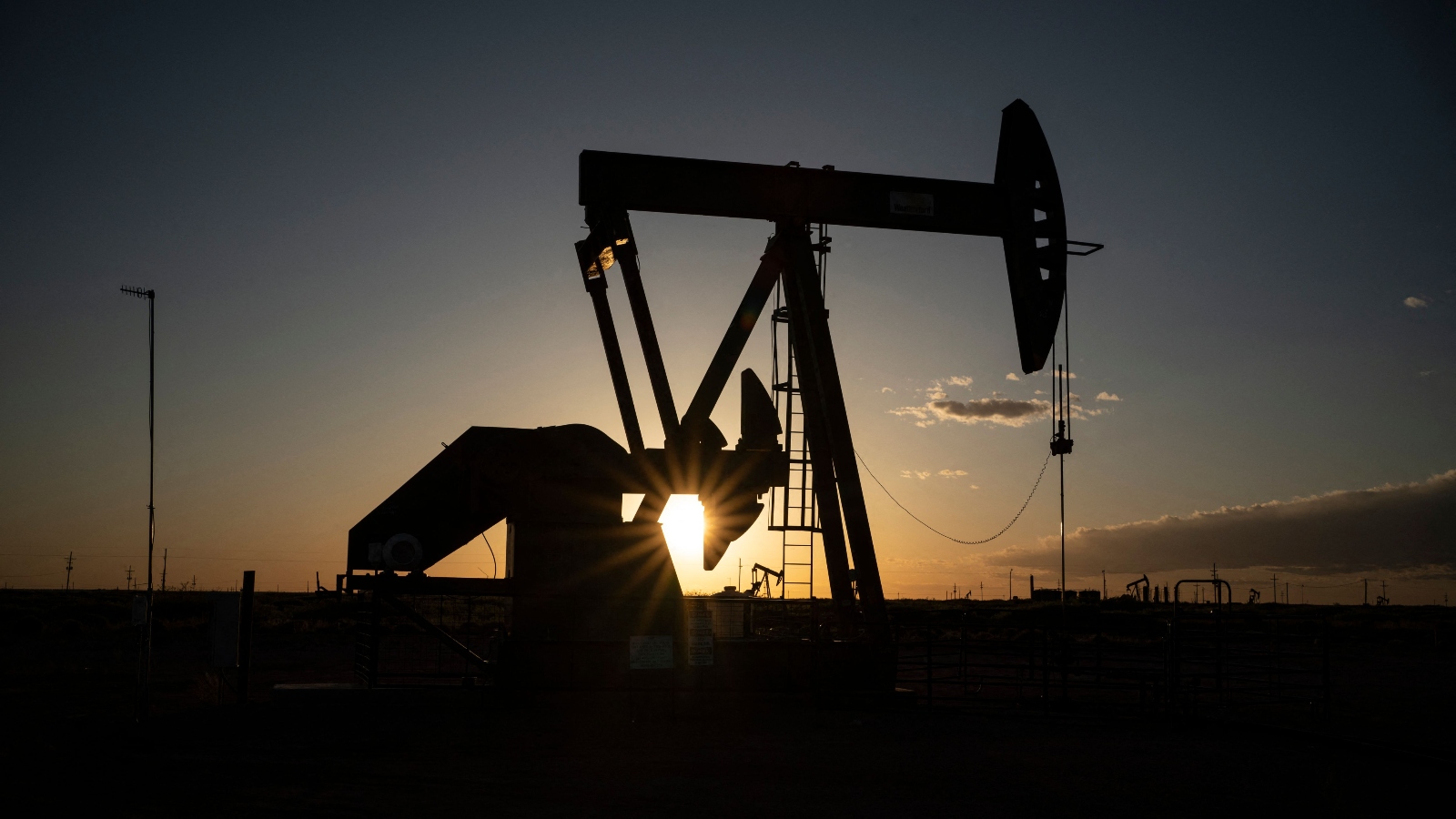
It’s a towering example of the contentious debate over what to do with the state’s ever-growing supply of oilfield waste.