QUANTA MAGAZINE
YESTERDAY
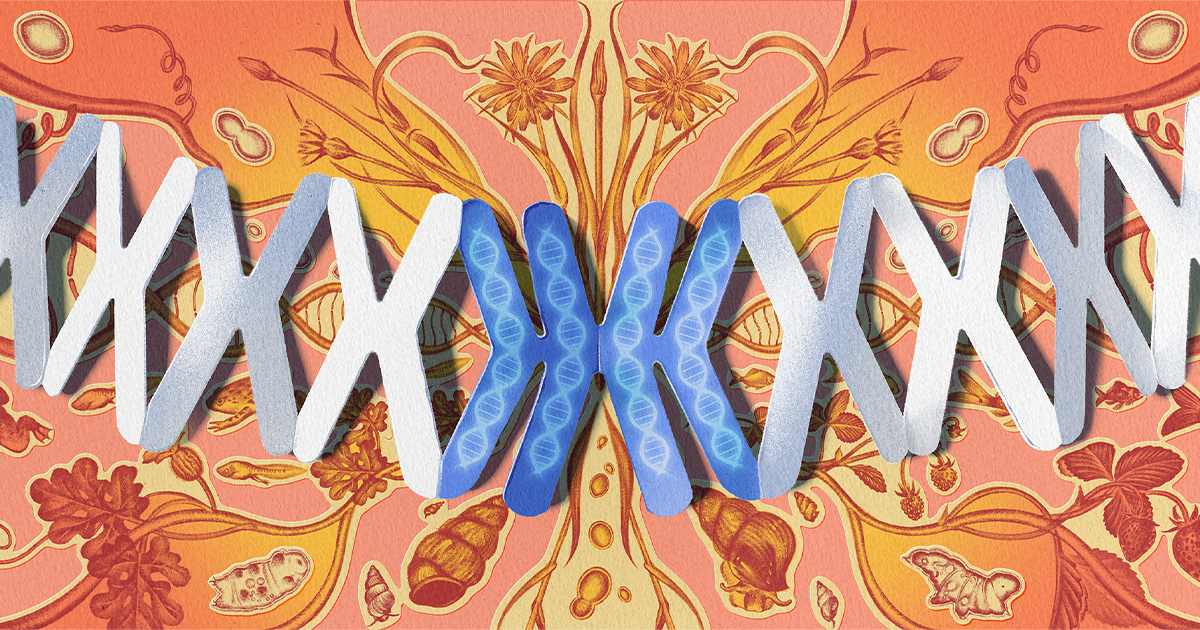
By doubling their entire genome, organisms can evolve extremely rapidly — or they can lose it all. New studies reveal how to survive the high-risk, high-reward evolutionary event.
AUGUST 28. 2026
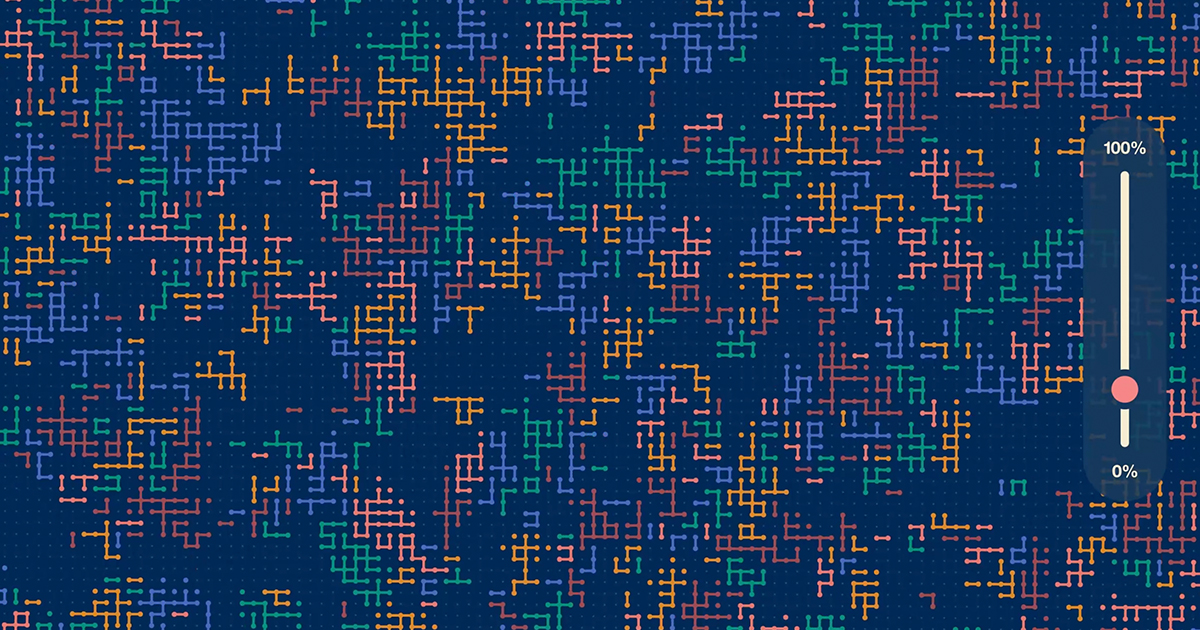
Mathematicians found that a broad class of networks will abruptly shift behavior past a critical point.
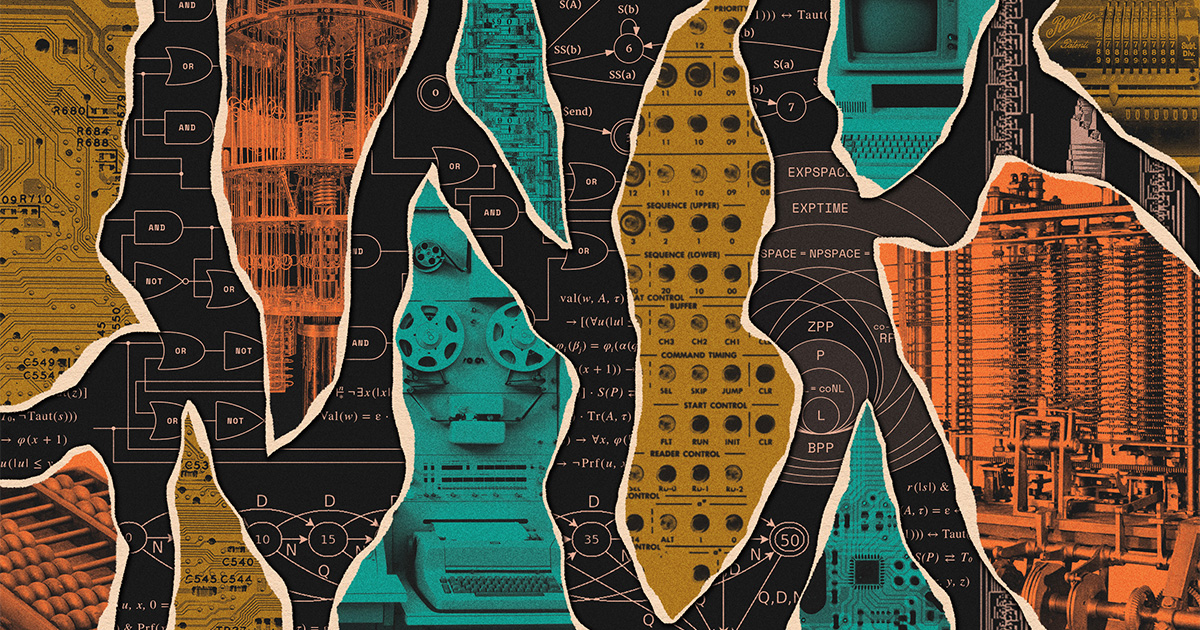
The theoretical side of the field doesn’t require computing machines. But many questions would never have been posed without them.
AUGUST 26. 2026
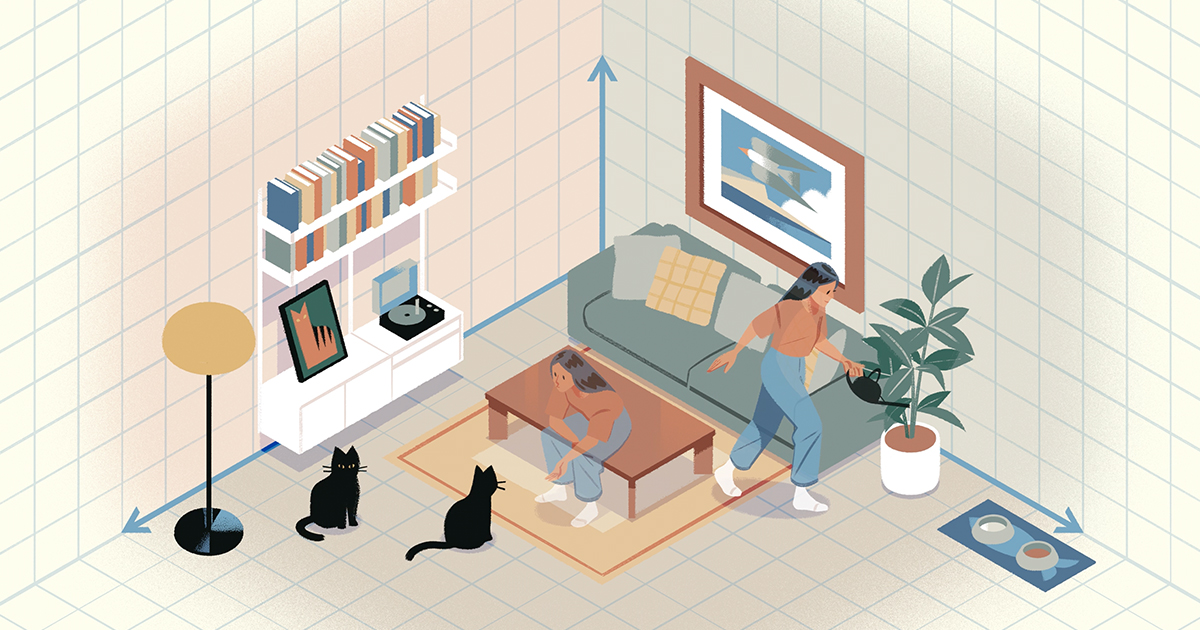
To explore quantum phenomena, we must leave the familiar world and enter the abstract realm of Hilbert space.
AUGUST 24. 2026
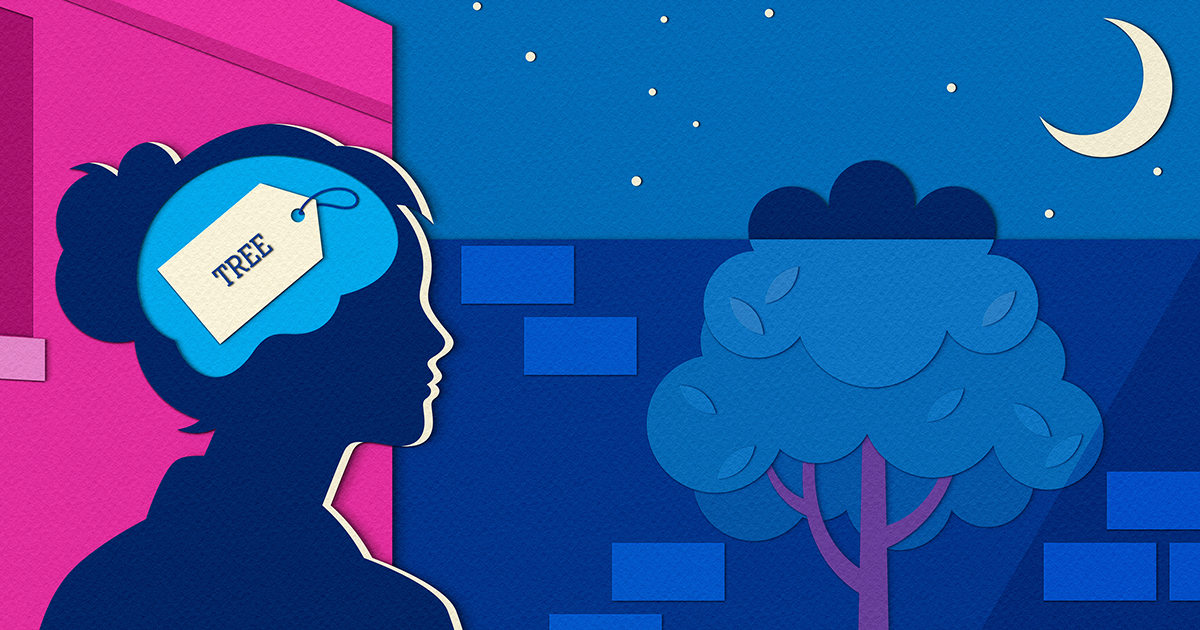
An updated view of categorization reflects the modern understanding that the nervous system is more of a prediction engine than a filing cabinet.
AUGUST 21. 2026
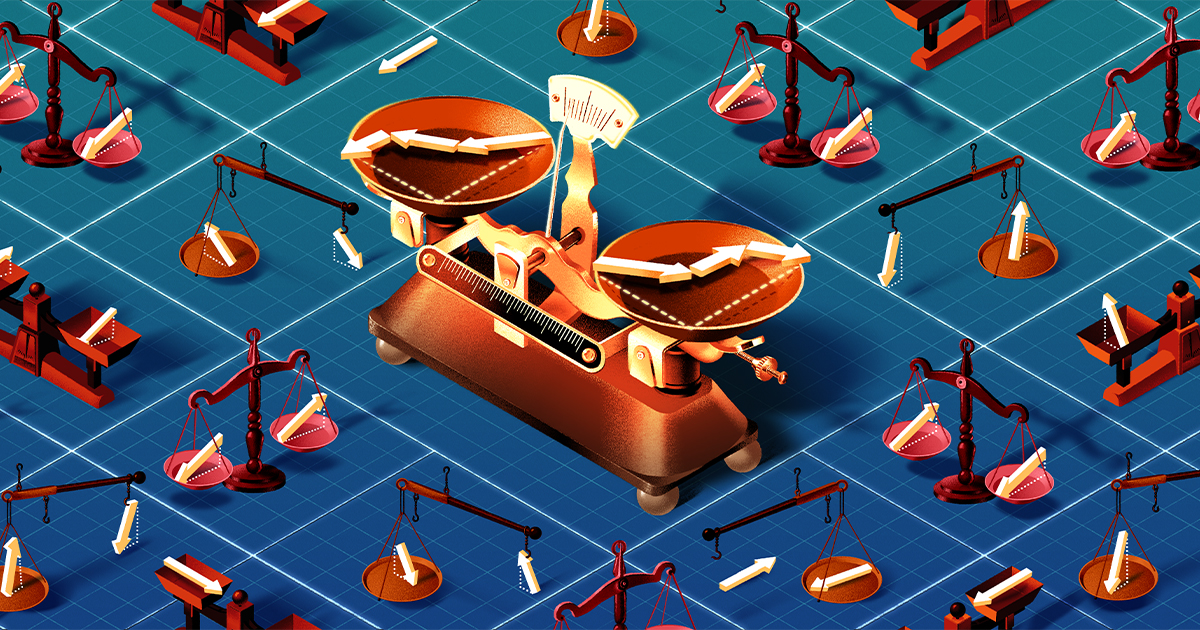
For the first time in 30 years, computer scientists have found a better way to allocate objects evenly between two groups.
AUGUST 20. 2026
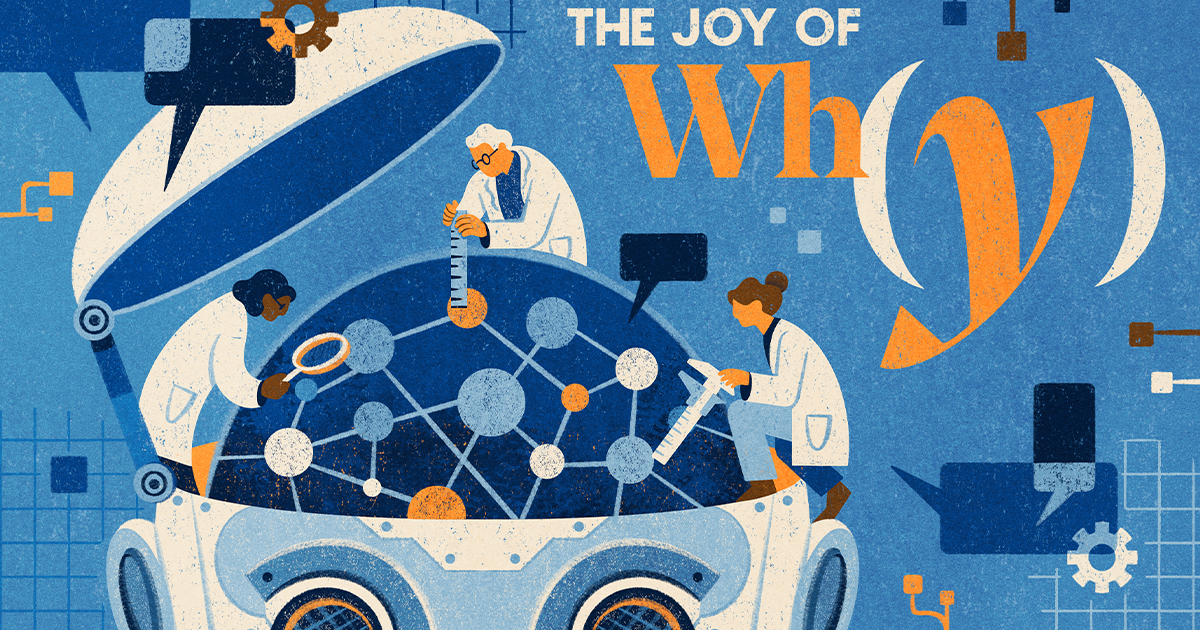
Computer scientist Melanie Mitchell discusses why artificial intelligence doesn’t “think” or “reason” like humans, and how we can create better methods for measuring machine cognition.
AUGUST 19. 2026
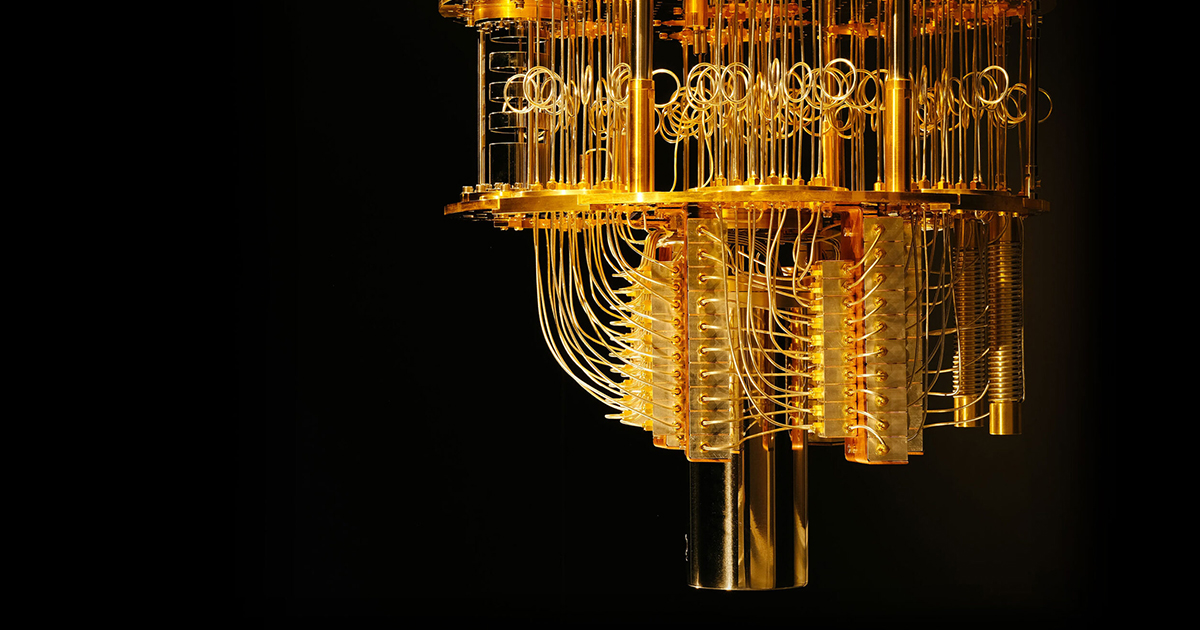
No one yet knows which technology will power the quantum computers of the future, but the race to create them has already produced some of science’s most intricate machinery.
AUGUST 17. 2026
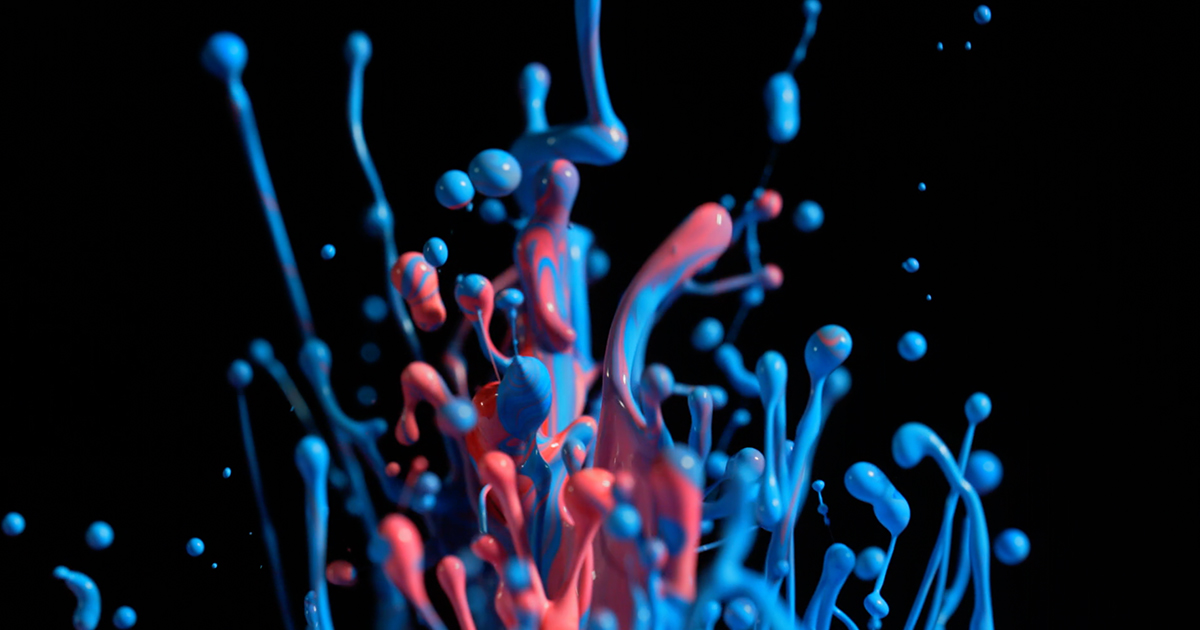
From the 1800s to the early 2000s, physicists used the same theory to understand the behavior of fluids. Now, using a modern insight, they have redefined fluids from the bottom up.
AUGUST 14. 2026

By deciphering the molecular signatures of millions of mouse cells, Junyue Cao has found that aging is not haphazard wear and tear but rather a “remodeling of the cell society. ”
AUGUST 12. 2026
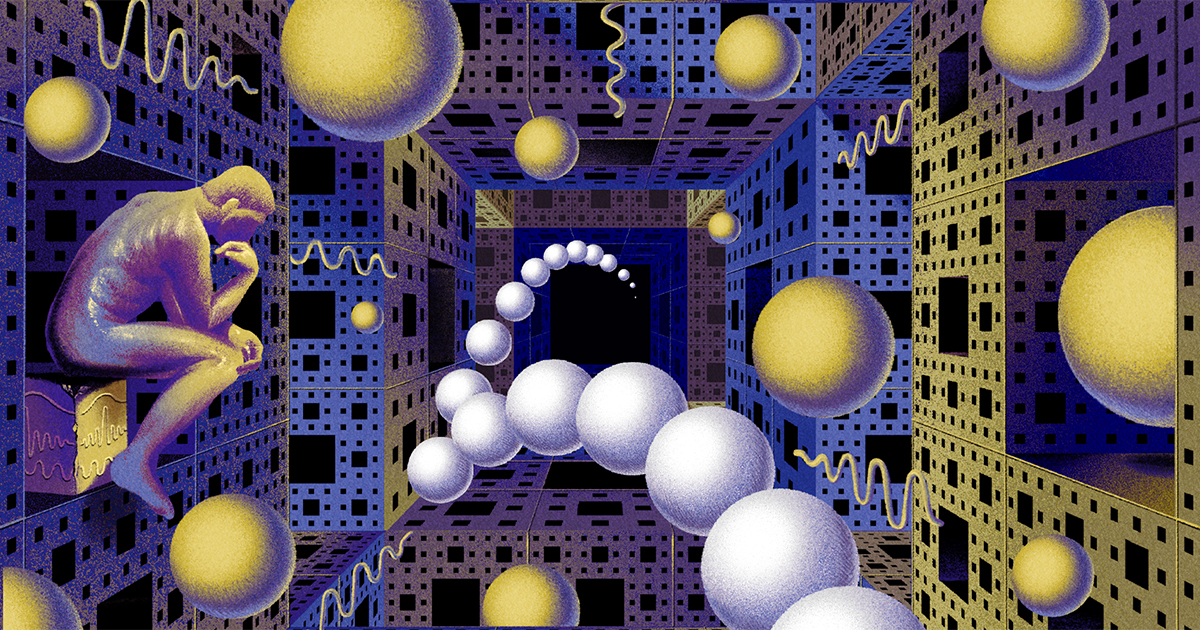
The math, which combines chaos, quantum theory, and infinitely complex fractal structures, has been called a “foundational result. ”
AUGUST 10. 2026
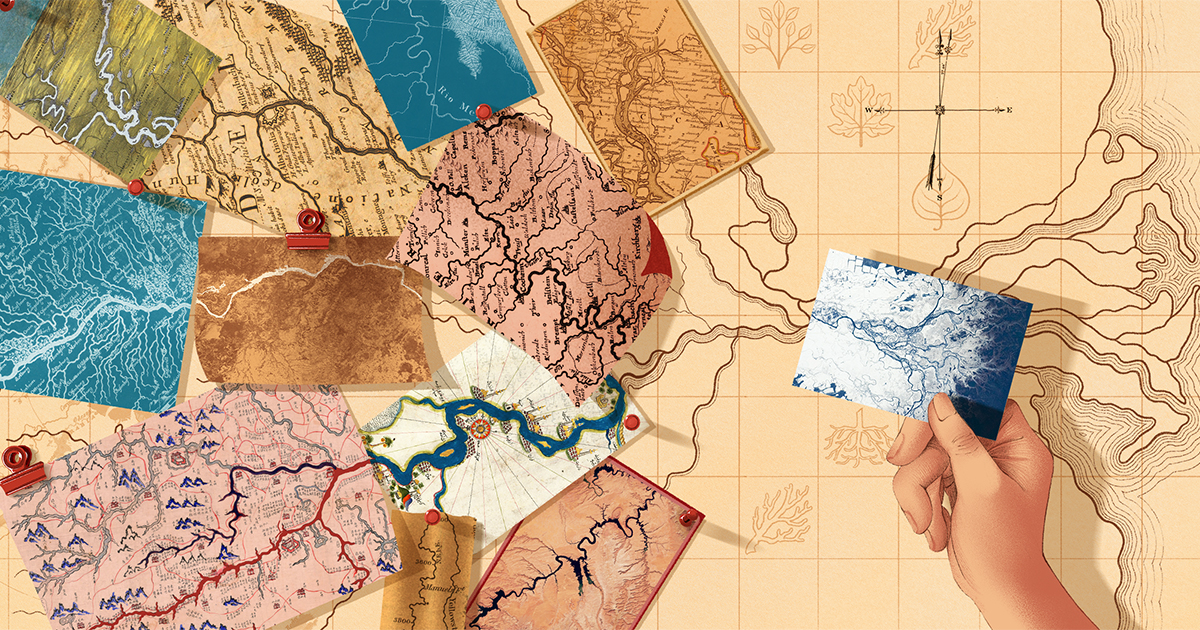
A simple scaling law brings order to the chaos of flowing water, rock, and sediment. New findings have extended the law even further.
AUGUST 7. 2026
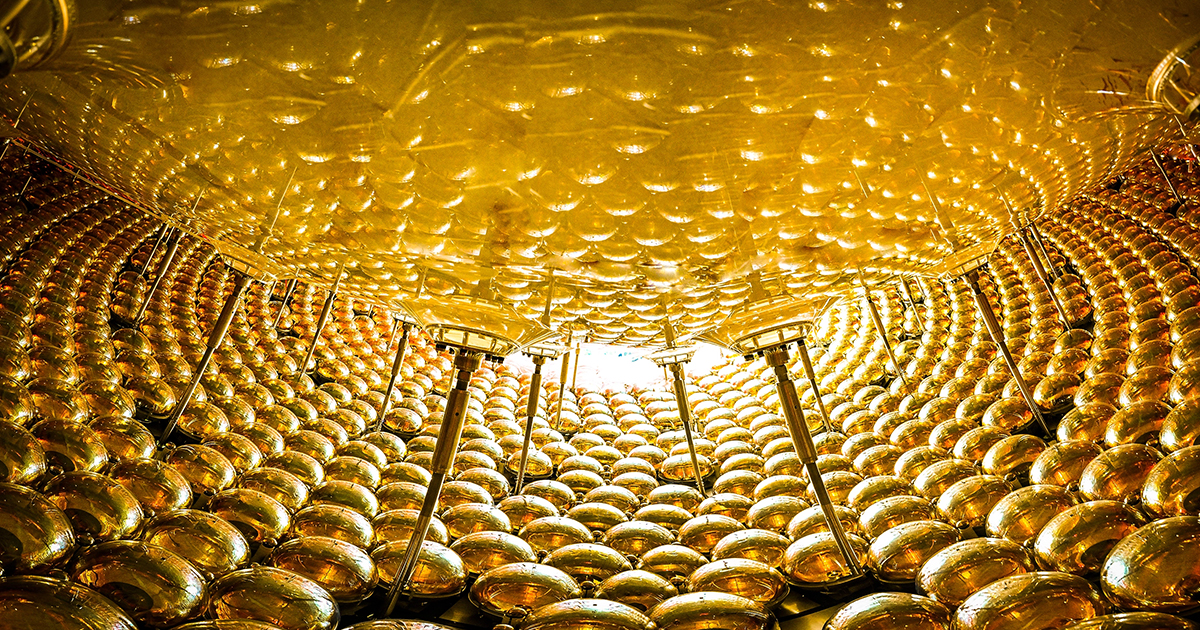
A global constellation of neutrino detectors is creating a never-before-seen view of the radioactive elements that power Earth’s tectonic heat engine.
AUGUST 6. 2026
Neuroscientist Ishmail Abdus-Saboor discusses efforts to understand how skin contact can be painful or pleasurable, and what touch-obsessed naked mole rats might teach us about human social behavior.