E360
MARCH 23. 2026
Gray wolves made an uneasy comeback in the Northern Rockies and are struggling to return to the Southwest. But legislation now working its way through Congress is being spurred by misinformation and myth, rather than science, and threatens to end wolf recovery in the U. S.
MARCH 19. 2026
Zambia is expanding development of its rich deposits of critical minerals, which are needed for the global shift to renewables. But contamination from past mining and a toxic spill at a mine site are raising fears that new wealth will come at a high cost for people and the environment.
MARCH 12. 2026
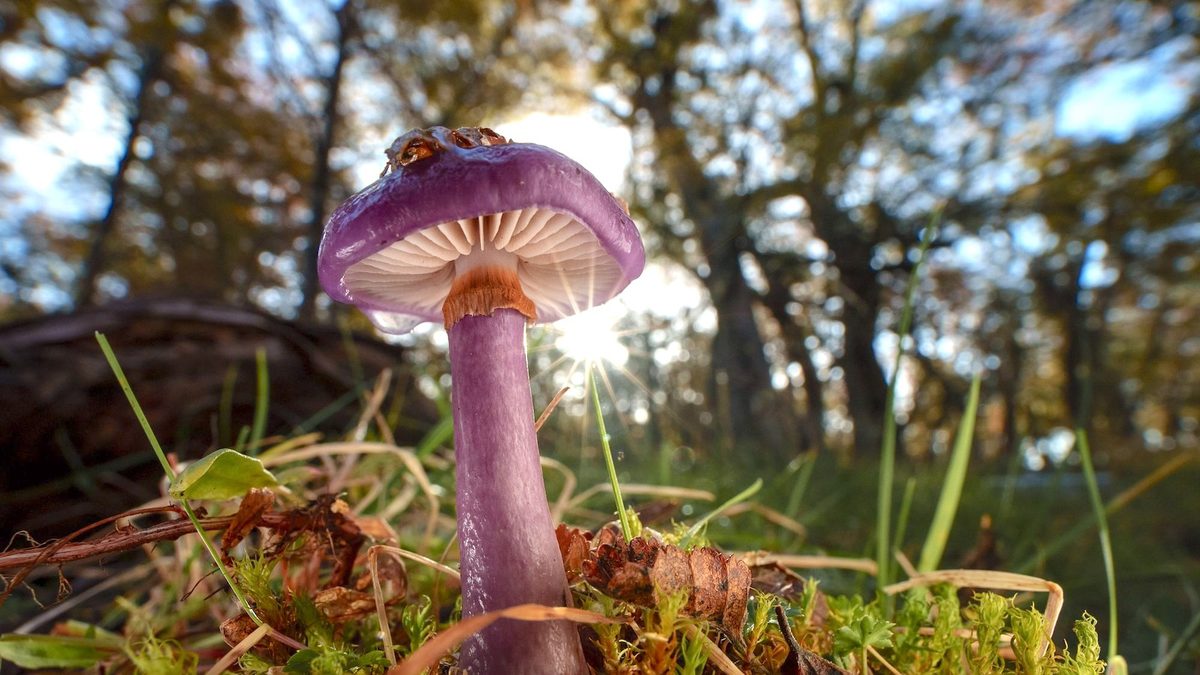
Fungi create soil, sequester vast amounts of carbon, and contribute $55 trillion to the global economy, but knowledge about them is scarce. Now, mycologists are pushing to get the international scientific community to recognize fungi on the same level as plants and animals.
MARCH 5. 2026
When scientists recently analyzed hundreds of studies of ecosystems, they were surprised to see a marked slowing in the rate of species turnover. If new species don’t replace old ones, they say, ecosystems may have less flexibility to respond to habitat loss and climate change.
MARCH 3. 2026
Environmentalists are challenging the EPA’s repeal of the “endangerment finding, ” which empowered it to regulate greenhouse gases. Whether or not the action holds up in court, now is the time to develop climate strategies that can be pursued when the political balance shifts.
FEBRUARY 26. 2026
Europe’s new Right to Repair Directive will make it easier — and cheaper — for consumers to get their household goods fixed, rather than buy something new. Part of the E. U. ’s Green Deal, the plan is expected to slash waste, promote recycling, and cut greenhouse gas emissions.
FEBRUARY 19. 2026
For years, baboons have roamed Cape Town suburbs, entering houses and yards in search of food. Now officials have a conservation plan aimed at reducing conflicts between the big primates and people — but like most things baboon-related here, it is sparking heated controversy.
FEBRUARY 9. 2026
Russia continues to bomb Ukraine’s fossil-fueled power plants, leaving much of the nation shivering during a brutal winter. But Ukraine’s new emphasis on developing decentralized power — from solar panels to wind turbines — is advancing an unexpected green energy transition.
FEBRUARY 4. 2026
President Trump has made access to Greenland’s vast reserves of critical minerals a focus of ongoing negotiations. But experts say the U. S. is underestimating the difficulties of mining in a rapidly changing Arctic region that is warming faster than anywhere else on Earth.
JANUARY 28. 2026
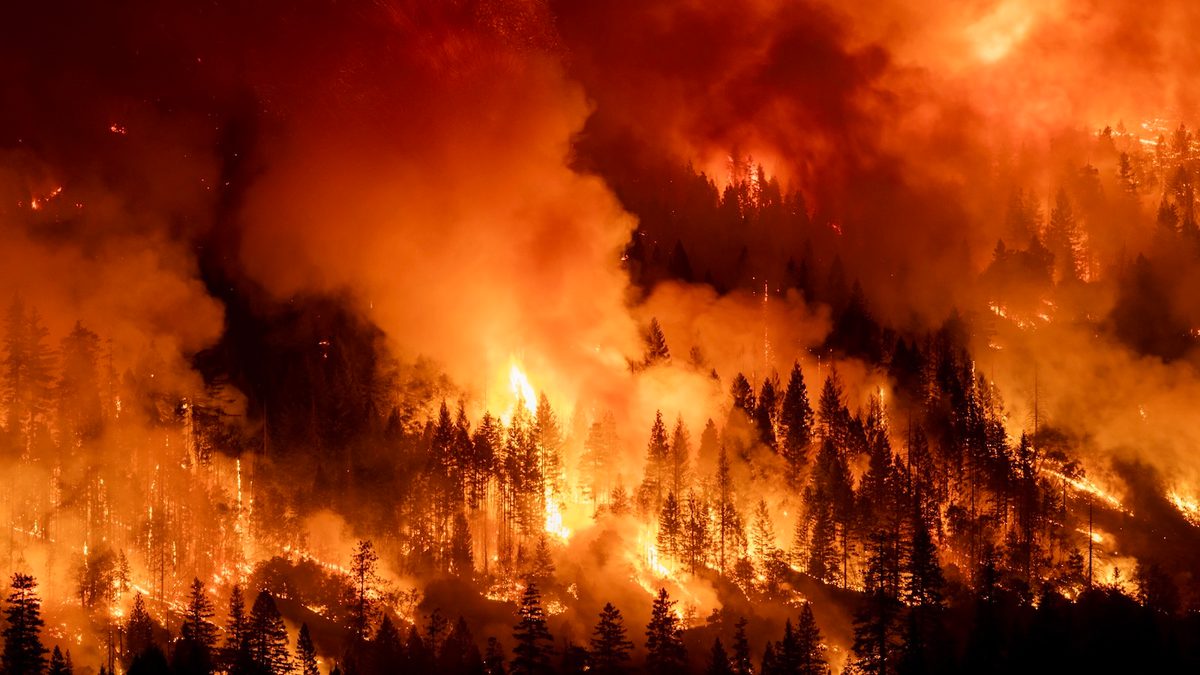
With warming set to pass the critical 1.5-degree goal, scientists are warning that the world is on course to trigger tipping points that would lead to cascading consequences — from the melting of ice sheets to the death of the Amazon rainforest — that could not be reversed.
JANUARY 21. 2026
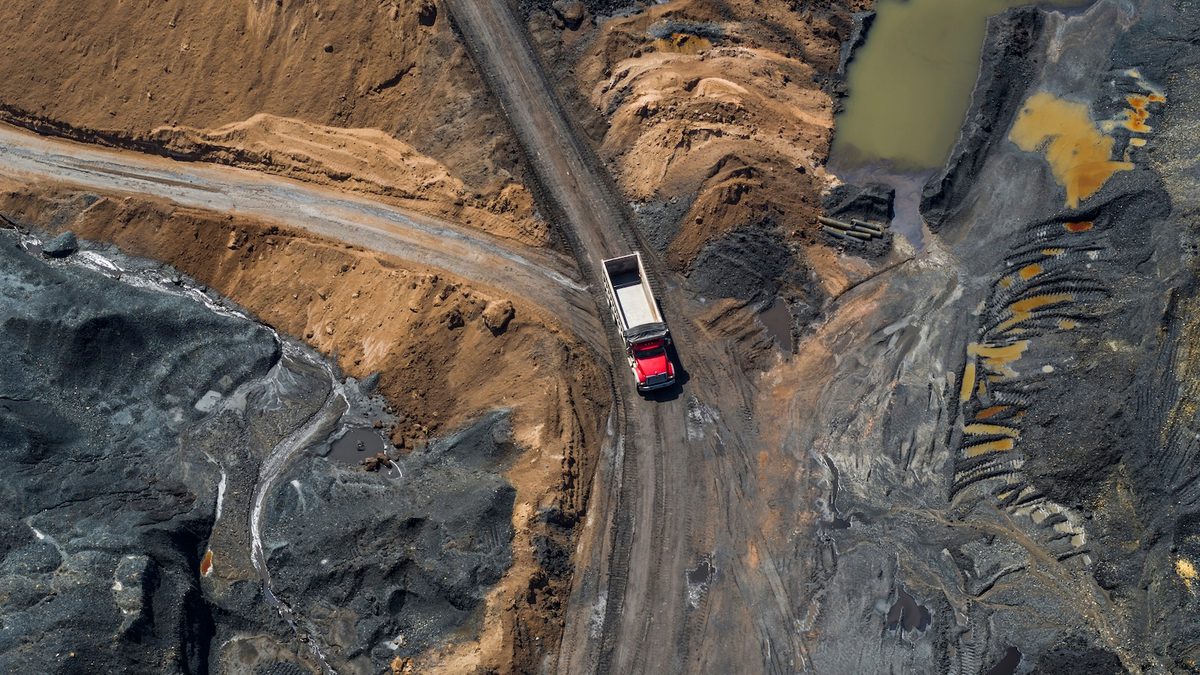
Tailings and acid mine drainage from mines contain critical minerals needed for clean energy technologies. Now, researchers are developing new techniques for retrieving these key metals, which could reduce the need for new mines and help clean up pollution at old mining sites.
JANUARY 12. 2026
Billions of sea stars, victims of a deadly wasting illness, have perished over the last decade, imperiling marine ecosystems and spurring a global hunt for a biological or environmental culprit. Recently, researchers identified a likely suspect, but the case is far from closed.
JANUARY 6. 2026
As climate change and urbanization intensify flooding in Rwanda, the hilly capital of Kigali has embraced nature-based solutions. The city is restoring and reshaping 18,000 acres of degraded wetlands, planting native species to filter and slow runoff and enhancing biodiversity.
DECEMBER 18. 2025
Iran is looking to relocate the nation’s capital because of severe water shortages that make Tehran unsustainable. Experts say the crisis was caused by years of ill-conceived dam projects and overpumping that destroyed a centuries-old system for tapping underground reserves.