AUGUST 17. 2026
House Democrats have opened an investigation for insider trading.
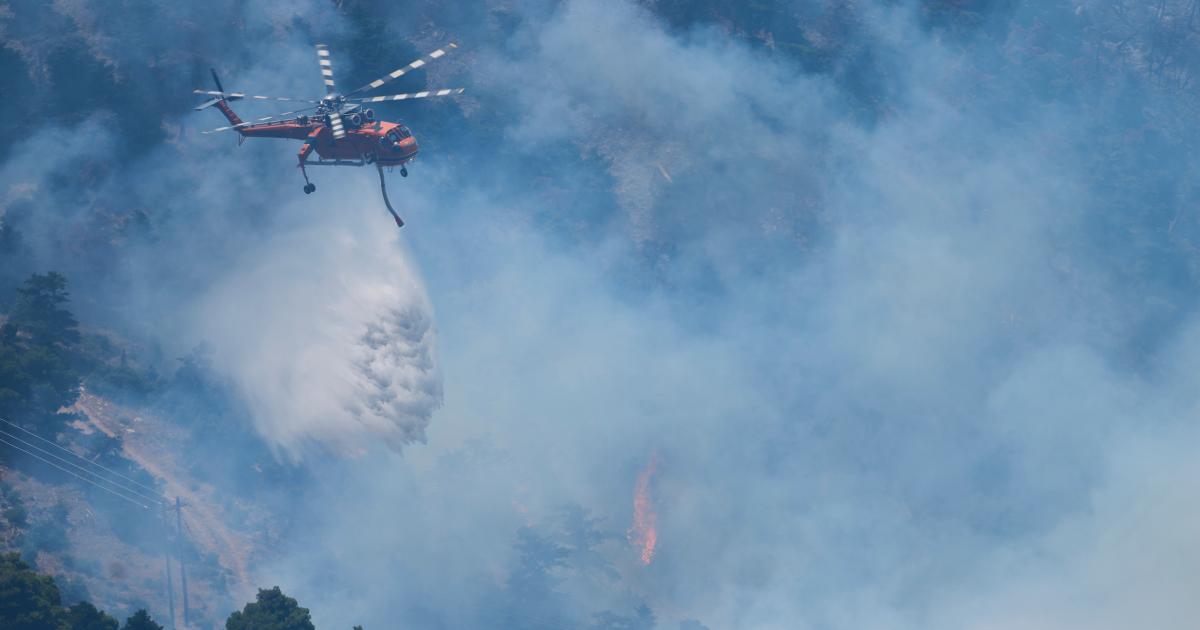
'Blaring. ..from every direction'. Europe’s extreme fires will only worsen unless we act with force.

A new movie shows how the president conferred with State Department experts before each meeting.

Unlike other U. S. allies, Canberra is betting its entire strategic house on Pax Americana.

Science is not just about making new discoveries.

Nearly 500,000 hectares have gone up in smoke during Europe's 2026 fire season so far, which cost over €3 billion in the first two months alone, according to a…

Imagine you're sitting at home, suffering through a heatwave in an unprepared flat.
AUGUST 16. 2026
Ian Penman on hagiography, dreams, and the near-psychedelic effects of spiritual jazz
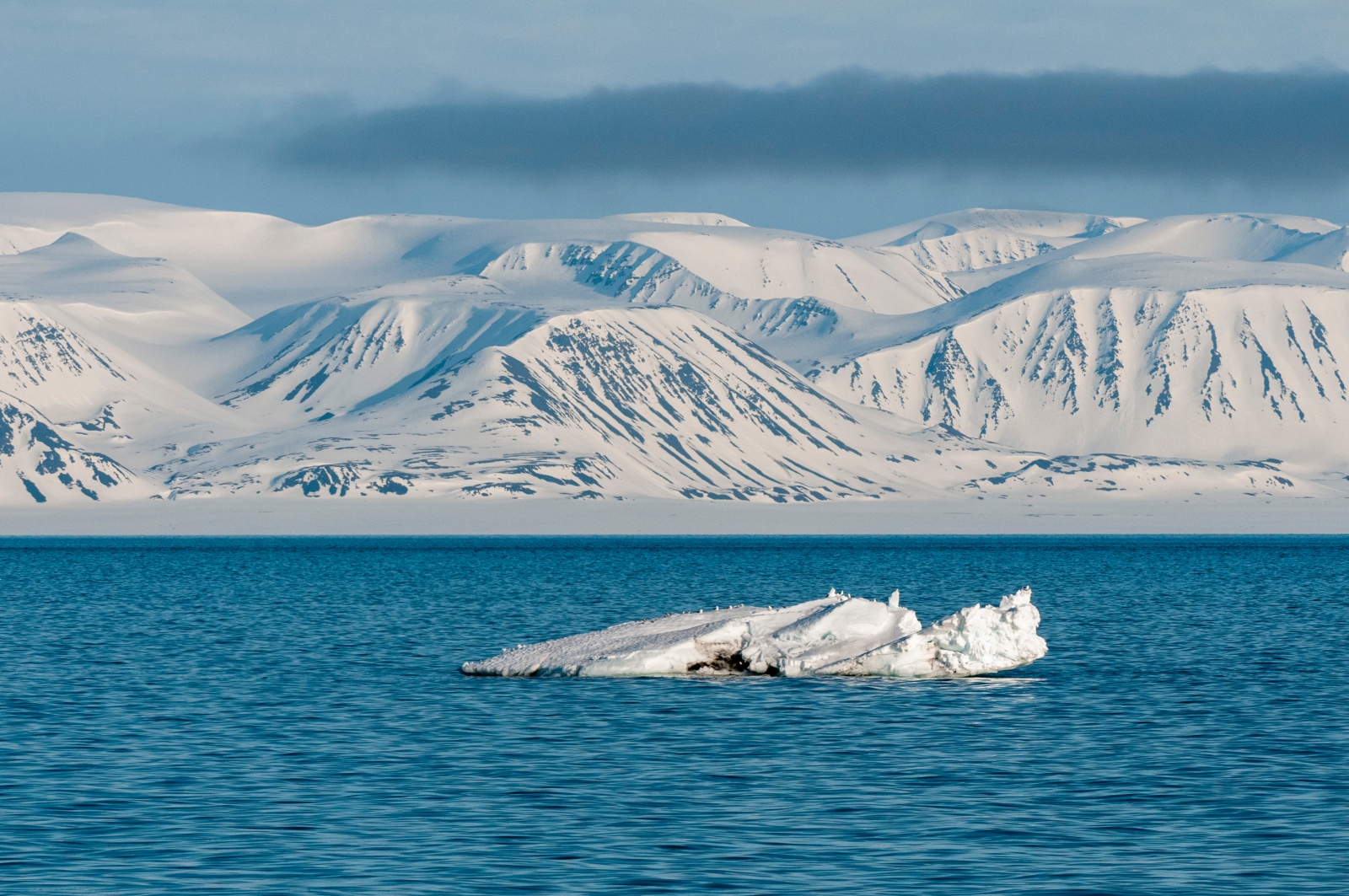
The move by the National Oceanic and Atmospheric Administration is the latest government rollback of climate science activity.

I often like John Early’s work. I love John Early’s taste. I came to one of my favorite movies, the bracing, pensive 1990 Canadian docudrama Strangers in
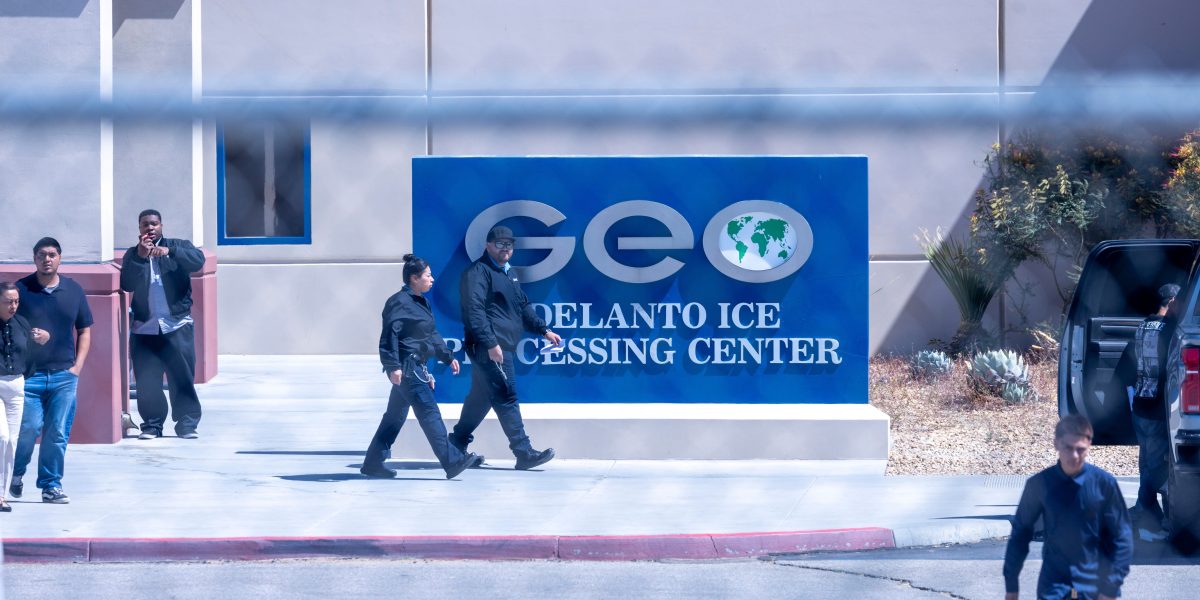
With the case of Carlitos Ricardo Parias, the U. S. has broken its own record for holding a journalist in custody.
AUGUST 15. 2026

Documents from ICE’s investigation into the Sunrise Movement show an agent volunteered to build tools for “direct-action” protests.

“Punwise, I didn’t feel too reined in on BoJack. If I was champing at the bit to use a joke somewhere, I could usually find a place to trot it out! ”
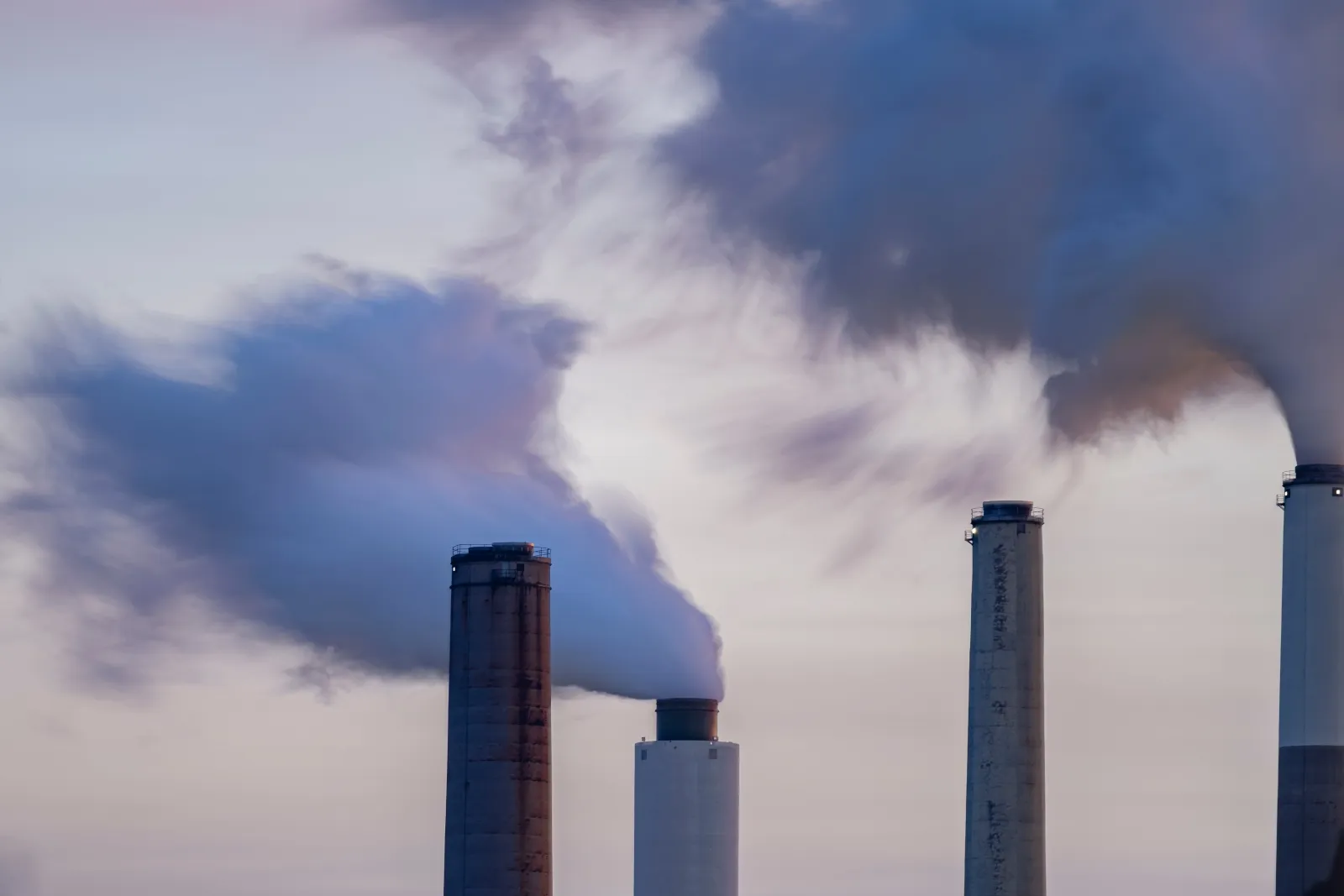
New research finds that by making the fossil fuel industry more productive, AI could help increase carbon emissions by up to nearly 5 percent — vastly outpacing the impact of data centers.
AUGUST 14. 2026

Entering an era of super-teams and diva stars who insist on winning now and getting maximally paid, the NHL is more and more reminiscent of the NBA at its worst: A hypermediated, personality-driven PR event masquerading as a mostly noncompetitive sports league. NHL Commissioner Gary Bettman is getting what he wanted—the game grown, at least in dollar value—and the result looks pretty damn ugly.

The administration made moves on drones, cyberwarfare, and ship building.

If liberalism does not remake itself, it will be antidemocratic alternatives that win out.

Fifty years after “The Quiet American, ” has the country outlived Graham Greene’s prophecy?

Just war theory was developed over centuries—and now must adapt to a new era of technology.

Young college graduates are struggling to find jobs.