- Pragmatism over principle: Washington’s willingness to relax Russian oil sanctions to stabilise energy markets contradicts the moral framing used to justify them.
- Strategic inconsistency: Sanctions regimes tighten or loosen based on geopolitical convenience, not the severity of the offences they claim to punish.
- Global South scepticism vindicated: Many governments outside the West have long viewed sanctions as selectively applied instruments of great-power politics — and the current episode proves them right.
- Warfare by other means: Sanctions function less as tools of international justice than as economic weapons shaped by the same calculations of risk and opportunity that govern military force.
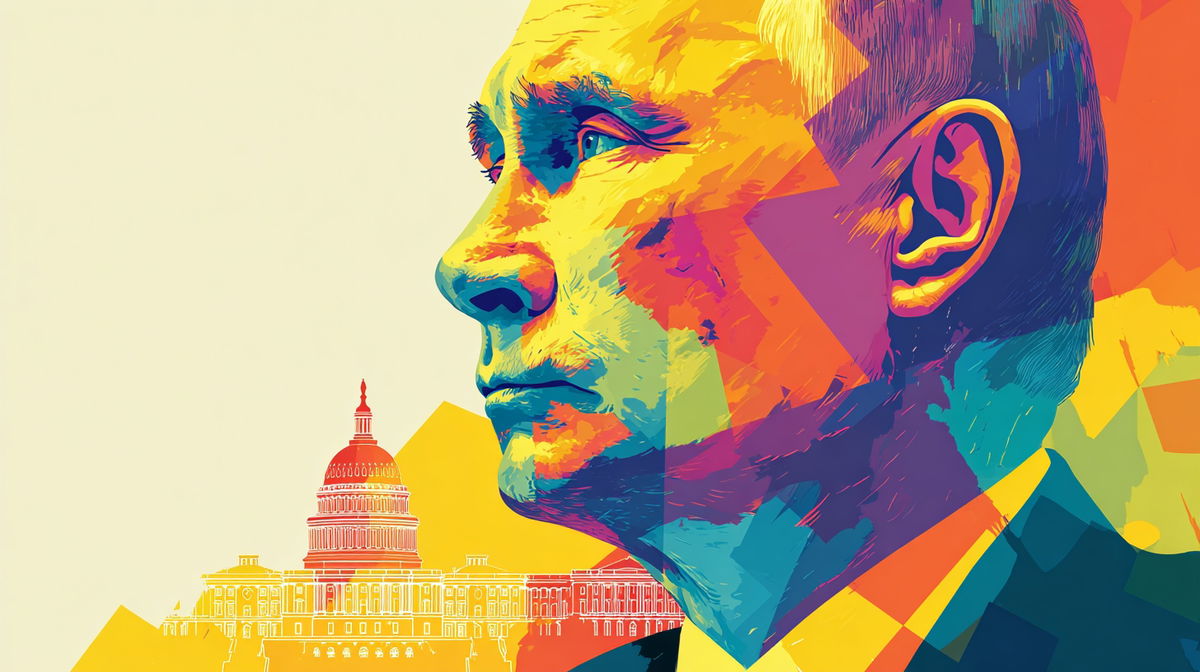
When governments impose sanctions, they almost always frame them in moral terms. Sanctions are presented as instruments of international law, tools for defending democracy, or mechanisms for punishing aggression. They appear as the civilised alternative to war: pressure without bombs, discipline without violence. Yet, the recent decision by the United States to ease certain restrictions on Russian oil exports — in order to stabilise global energy markets during the escalating Iran crisis — reveals something more uncomfortable. Sanctions, despite the rhetoric surrounding them, are rarely moral instruments. They are strategic ones.
The timing of the move is striking. As tensions with Iran have intensified and the security of oil shipments through the Strait of Hormuz has come into question, global energy markets have grown increasingly volatile. The Hormuz choke point carries roughly a fifth of the world’s oil supply, and even the possibility of disruption can send prices surging. Faced with the risk of an energy shock, Washington signalled flexibility towards Russian oil flows — precisely the commodity Western governments have spent years trying to restrict in response to Moscow’s invasion of Ukraine.
To be sure, policymakers defend such decisions as pragmatic adjustments to an unstable world. Energy markets are sensitive; governments must prevent price spikes that could trigger recession, inflation, or political backlash at home. Yet, this very pragmatism undermines the moral narrative that normally accompanies sanctions. If sanctions are supposed to punish wrongdoing, then easing them when markets tighten suggests that the punishment was never purely about principle in the first place.
The episode reveals a deeper truth about sanctions: they are tools of geopolitical management rather than ethical enforcement. States deploy them to influence behaviour, reshape markets, and recalibrate power relations. Moral language is useful politically — it helps build domestic support and international legitimacy — but it rarely determines how sanctions are applied in practice.
Smart, Progressive Thinking on the Big Issues of Our Time
Join 20,000+ informed readers worldwide who trust Social Europe for smart, progressive analysis of politics, economy, and society — free.
This pattern is hardly new. Over the past two decades, sanctions have become one of the most widely used instruments of Western foreign policy. They have targeted countries as different as Iran, Venezuela, Russia, North Korea, and Syria. In each case, sanctions were framed as responses to grave violations of international norms: nuclear proliferation, territorial aggression, human-rights abuses. Yet, the intensity and duration of sanctions have often depended less on the scale of the offence than on broader strategic calculations.
Accordingly, sanctions tend to fluctuate with geopolitical priorities. Allies accused of similar violations frequently escape severe economic punishment, while adversaries face sweeping restrictions. Some sanctions regimes remain rigid for years; others are quietly relaxed when economic or diplomatic conditions change. The moral language remains constant, but the application is flexible.
Energy politics, in particular, has repeatedly exposed the limits of sanctions moralism. Oil and gas are not merely commodities; they are the lifeblood of industrial economies. When supply disruptions threaten economic stability, governments quickly rediscover the virtues of pragmatism. Sanctions that once appeared non-negotiable suddenly become negotiable.
The Russia case illustrates this contradiction with uncommon clarity. Since the invasion of Ukraine, Western governments have insisted that sanctions on Russian energy exports are essential for upholding international law and deterring aggression. The argument is straightforward: if territorial conquest carries severe economic costs, future aggressors may think twice. Yet when the global energy system comes under pressure — from war, shipping disruptions, or supply shortages — the political calculus shifts. Stabilising markets begins to compete with punishing Russia.
The result is a form of strategic inconsistency that weakens the moral authority of sanctions themselves. If sanctions can be loosened whenever markets tighten, then their ethical justification begins to look more like a diplomatic narrative than a genuine principle. Observers in the Global South, in particular, have long been sceptical of Western sanctions policy for precisely this reason. Many governments view sanctions not as neutral instruments of international justice, but as tools wielded selectively by powerful states to serve their own interests.
To say this is not to defend the actions of governments that face sanctions. Russia’s invasion of Ukraine remains a clear violation of international law. Nor is it to suggest that sanctions are useless. They can impose significant economic costs, restrict access to technology and finance, and signal international condemnation. But the recent energy-related adjustments illustrate that sanctions operate within the constraints of global political economy — and those constraints, when they bind, tend to win.
The deeper lesson may be that economic sanctions are best understood as a form of warfare by other means. They seek to weaken an adversary’s economy, restrict its resources, and alter its strategic choices. Like military force, they are shaped by calculations of risk, cost, and opportunity. Moral language may accompany them, but it does not define them.
Precisely for that reason, the debate about sanctions should be more honest. Instead of portraying them primarily as ethical tools, governments should acknowledge their strategic character and the trade-offs they entail. Sanctions can punish wrongdoing, but they can also destabilise markets, harm civilian populations, and create incentives for evasion and economic fragmentation. Their effectiveness depends not only on moral clarity but on geopolitical context — and when the two collide, context has a habit of prevailing.
The recent flexibility towards Russian oil flows amid the Iran crisis illustrates this reality vividly. When global energy stability is at stake, economic punishment becomes negotiable. The logic of markets begins to override the language of moral discipline.
The episode exposes a broader paradox of contemporary foreign policy. Governments increasingly rely on sanctions because they appear less destructive than war. Yet, sanctions remain deeply embedded in the same strategic calculations that shape military conflict. They are instruments of power, deployed across the shifting terrain of global political economy.
The point, then, is not that sanctions are hypocritical or illegitimate. It is that they are political. And once we recognise that, we can begin to assess them more realistically — not as moral absolutes, but as tools whose effectiveness and credibility depend on the balance between principle and strategy.
Help Keep Social Europe Free for Everyone
We believe quality ideas should be accessible to all — no paywalls, no barriers. Your support keeps Social Europe free and independent, funding the thought leadership, opinion, and analysis that sparks real change.
Social Europe Supporter
— €4.75/month
Help sustain free, independent publishing for our global community.
Social Europe Advocate
— €9.50/month
Go further: fuel more ideas and more reach.
Social Europe Champion
— €19/month
Make the biggest impact — help us grow, innovate, and amplify change.