
This coverage is made possible through a partnership between Grist and WABE, Atlanta’s NPR station.
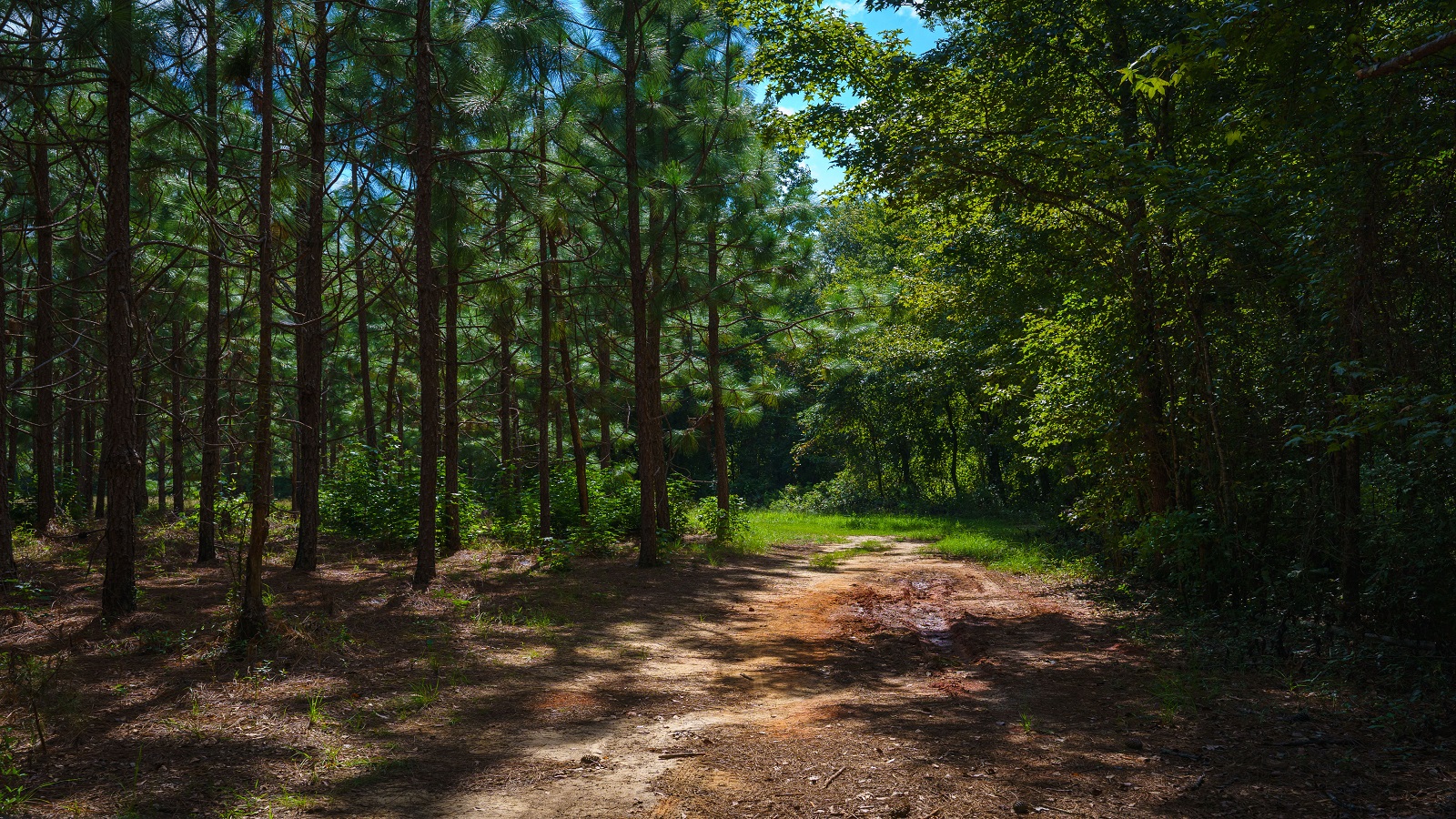
Georgia is one of the leading states for forestry, ranking first in annual harvest volume and the export of forest products. The state’s forests that are managed for a commercial product offset about a third of Georgia’s greenhouse gas emissions. But a recent rash of paper mill closures coming on the heels of Hurricane Helene, which decimated trees across much of Georgia in 2024, has brought the industry to a crisis point.
Last week, in the final days of Georgia’s legislative session, lawmakers passed several bills to help the state’s struggling forestry industry. Among them is a measure that would allow forest landowners who get the state’s conservation tax benefits to also take part in carbon markets. (Researchers and industry groups are working to establish a Georgia-specific carbon credit market.) They also passed a tax credit update aimed at attracting forestry manufacturers to Georgia and a bill to block local governments from banning mobile sawmills on agricultural land. Another legislative effort, a bill to eliminate sales tax on timber harvesting, cleared the state House but failed to pass the Senate.
Most of Georgia’s forests — about 92 percent — are privately owned, and most owners are individuals or families, not large corporations. That means decisions about how to manage the land, including whether to replant trees after harvesting or after a hurricane, come down to what makes financial sense for individuals who are often counting on their trees to fund college tuition or retirement. Paper mill closures diminished a key source of revenue for those landowners, and if they can’t make money from the trees themselves, industry experts warn, they may sell the land to developers.
“Forest owners have a tremendous amount of pressure on them to give in to urban growth or to turn over their land to maybe an annual crop,” said Chris Luettgen, who works in the Renewable Bioproducts Institute at Georgia Tech. “But some of this land is perfect for trees and not really too easy to grow a crop on. And so they’re kind of stuck.”
The state budget also set aside nearly $9 million for research into replacing fossil fuel byproducts with wood pulp to make things like textiles and pharmaceuticals. Governor Brian Kemp has already signed the budget bill, including the research funds. He has until May 12 to sign or veto the other bills.
The research money will fund the initiative that Luettgen is working on at Georgia Tech. He and his team will take the material that’s used to make paper and cardboard — sawdust, bark, and chips left over from cutting trees down into neat pieces of lumber — and develop uses that can be scaled up.
One such product is acetaminophen, the drug better known as Tylenol, which is derived from petrochemicals that are separated from crude oil as it’s processed into gasoline. Researchers have demonstrated in the lab that the necessary fossil fuel molecule can be replaced with one derived from wood, Luettgen said. They’re also working on a replacement for nylon, which also comes from fossil fuels.
“Things that typically have come from fossil fuels and the cracking of crude oil, we believe we can instead make out of wood-based products,” said Luettgen.
But all of this research is happening in small quantities. The next step is to figure out if it works at a larger scale, which the influx of state funding will help pay for.
“It means that we can take it out of the lab and put it into real, not quite commercial, but a real upscaled operation and demonstrate its capabilities,” said Luettgen.