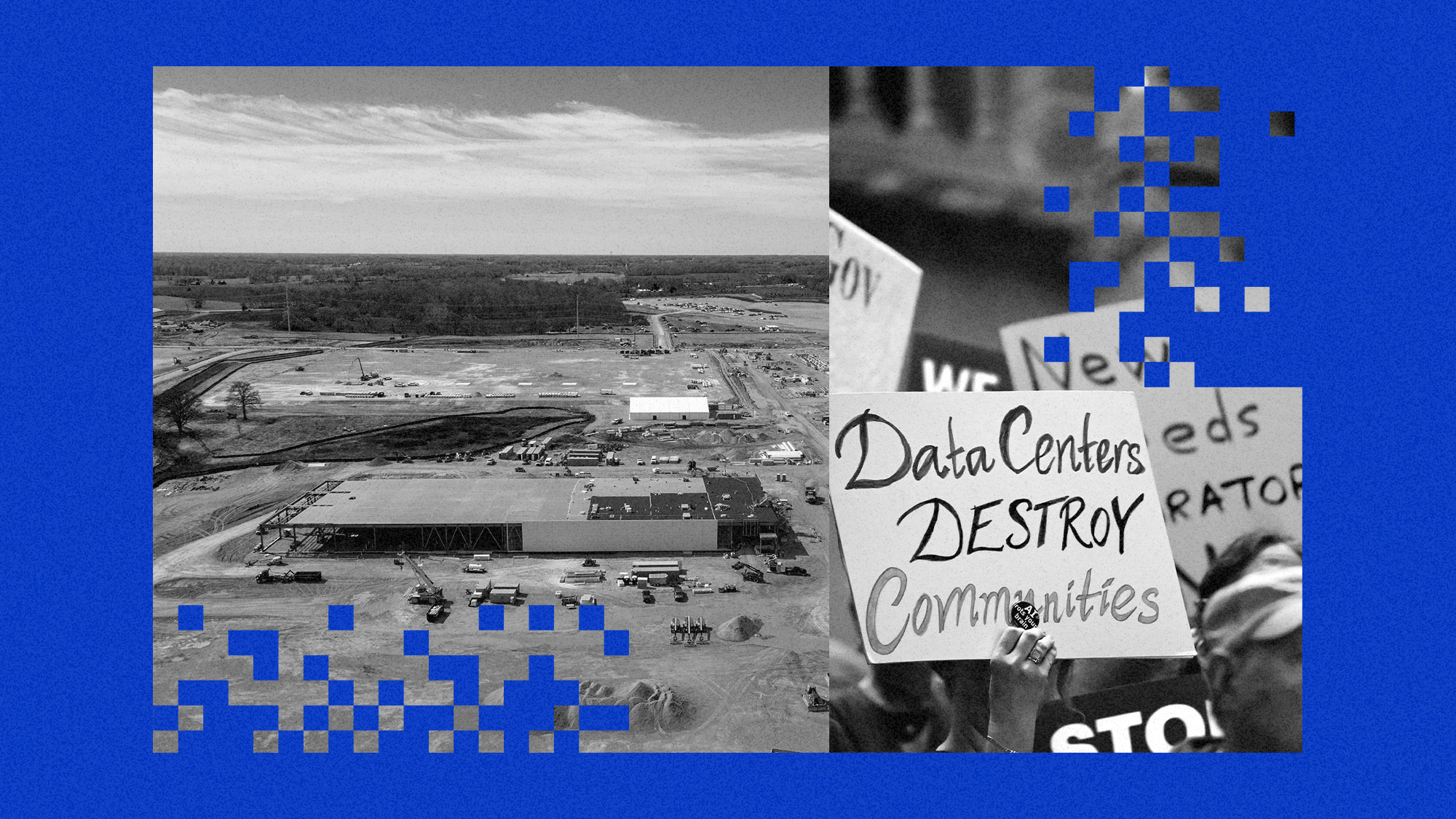
This month, Texas Governor Greg Abbott, a staunch supporter of President Donald Trump, unveiled a set of sweeping recommendations to rein in rampant data center development, urging Texas lawmakers to aggressively regulate the tech industry in a state that has a reputation for welcoming new development with open arms. At the same time, New York Governor Kathy Hochul, the Democratic leader of a state known for regulatory restrictions, has declined to say whether she will sign a first-of-its-kind bill passed by her state legislature imposing a one-year moratorium on large-scale data centers.
Welcome to the weird world of data center politics, where the usual partisan scripts around energy and natural resources don’t apply — yet.
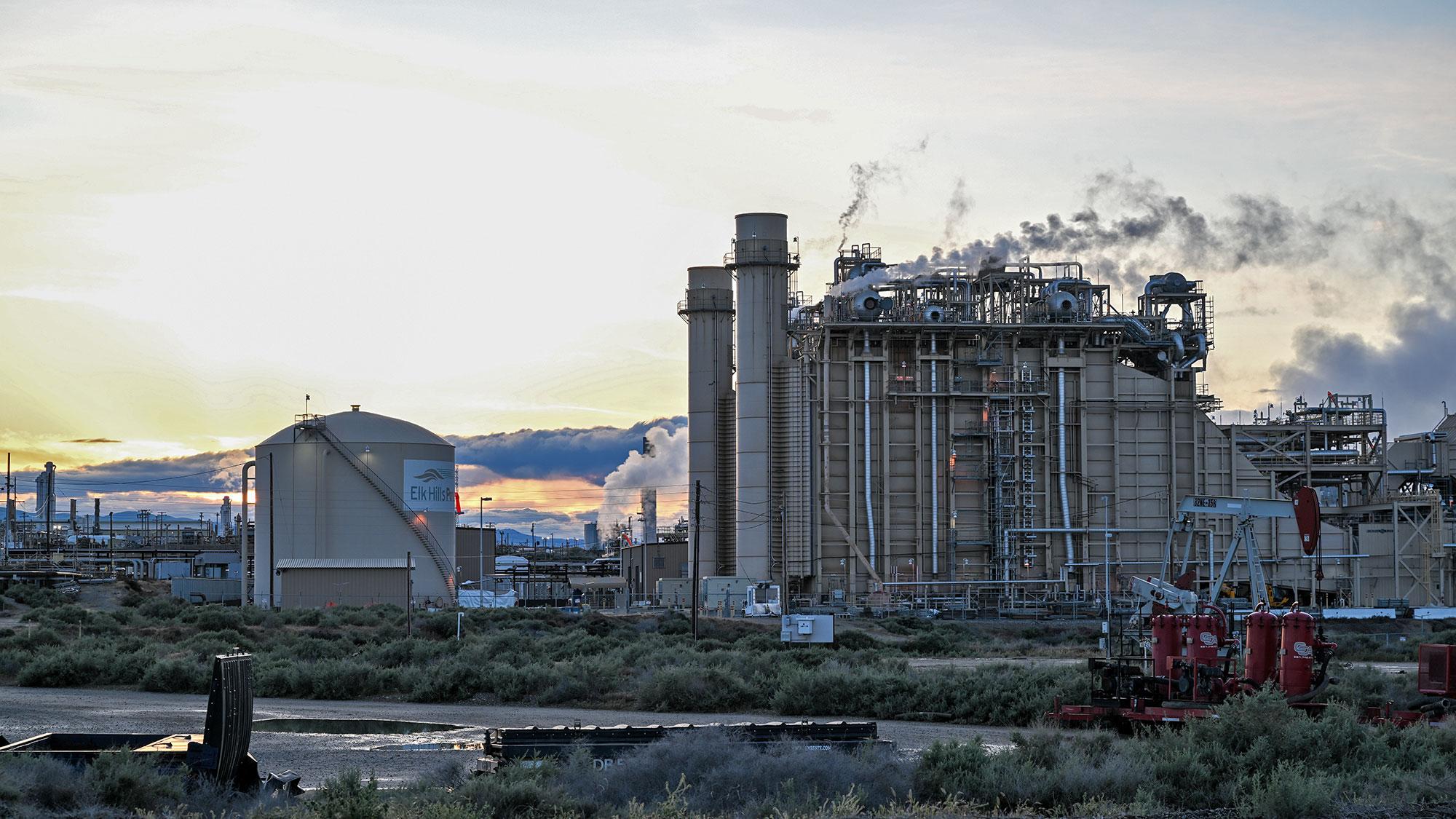
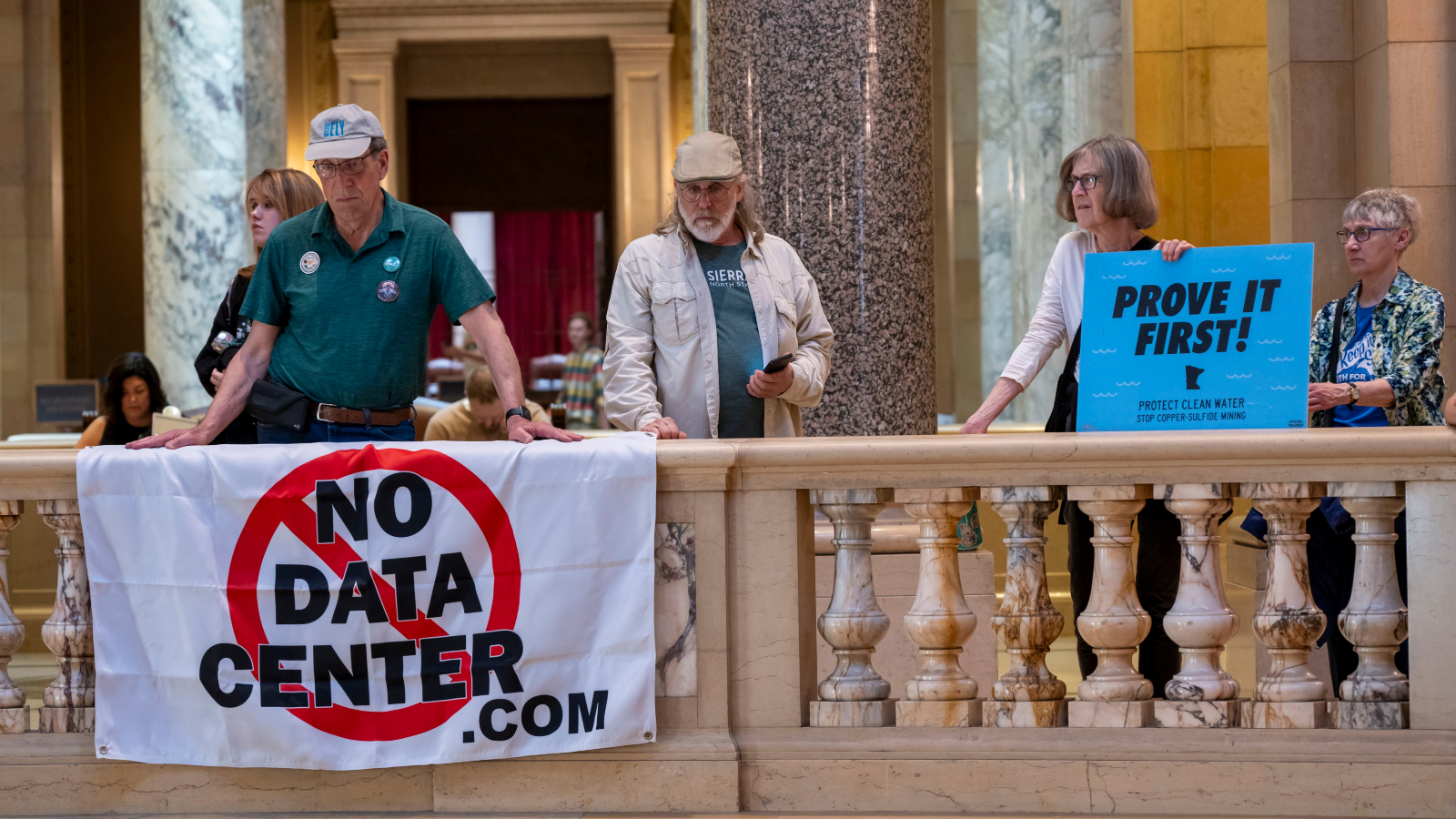
Facilities housing massive amounts of computing equipment are springing up across the U.S. to quench the tech industry’s unslakable thirst for artificial intelligence. These AI-ready data centers, which consume more energy than the traditional cloud-computing centers that already exist to host and store various aspects of modern digital life, have become a political flashpoint at lightning speed — reshaping local and state politics from coast to coast as Americans grapple with high energy costs, natural resource depletion, and the repercussions of megadevelopment.
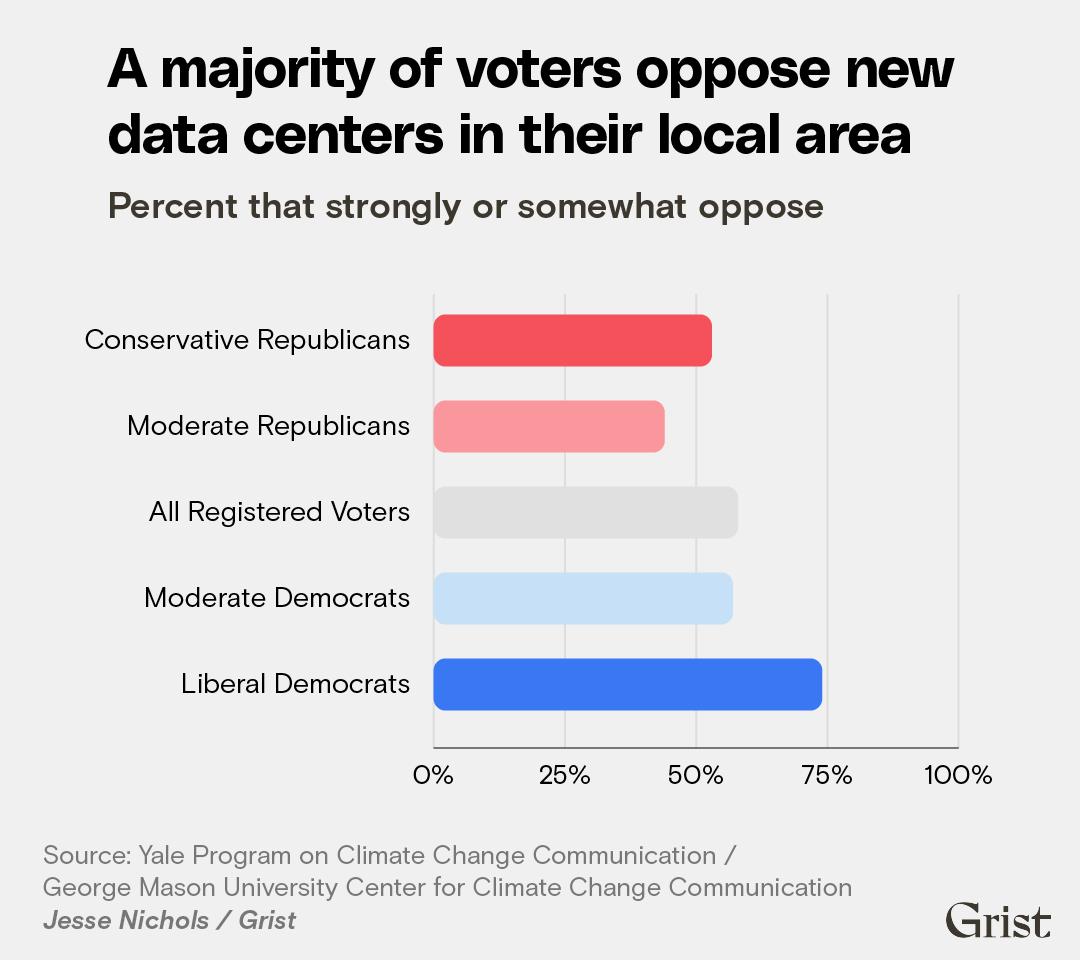
In an era when political polarization is near record highs, data center backlash represents a rare area of consensus on both sides of the political aisle. Some 70 percent of Americans oppose local construction of AI data centers — 75 percent of Democrats and 63 percent of Republicans, according to polling from Gallup. Dig a little deeper into additional survey data, and the politics of data centers gets even more surprising. There are more conservative Republicans (53 percent) who oppose data centers in their local area than moderate Republicans (44 percent) — meaning that staunch conservatives are actually nearer to Democrats in their opposition.
“I’m not sure I’ve ever seen a chart where conservative Republicans are closer to liberal Democrats than liberal [and] moderate Republicans are,” said Anthony Leiserowitz, the director of the Yale Program on Climate Change Communication.
Bipartisan anti-data center activism has emerged as one of the only counterbalances to AI’s inexorable rise. At least 75 data center projects worth roughly $130 billion were stalled or blocked in the first three months of 2026 alone. Political scientists and organizers tracking the backlash say the opposition is not driven by a single ideology so much as a recurring set of local grievances: rising electricity bills, water scarcity, noise, land use, tax breaks, distrust of tech companies and the billionaires who own them, and the fear that communities are being asked to share their resources with an industry that will provide little in return.
Still, those same experts note it’s too soon to say whether anger over data centers represents a lasting break in America’s partisan machinery. The backlash could trigger a broader questioning of Big Tech’s power in American life, perhaps resulting in real guardrails for an industry where few currently exist. Or it might be in its pre-partisan phase, waiting to be absorbed by the political tribalism that has shaped fights over climate, energy, housing, and so many of the other issues that have fallen victim to the culture wars.
Natalie Behring / Getty Images
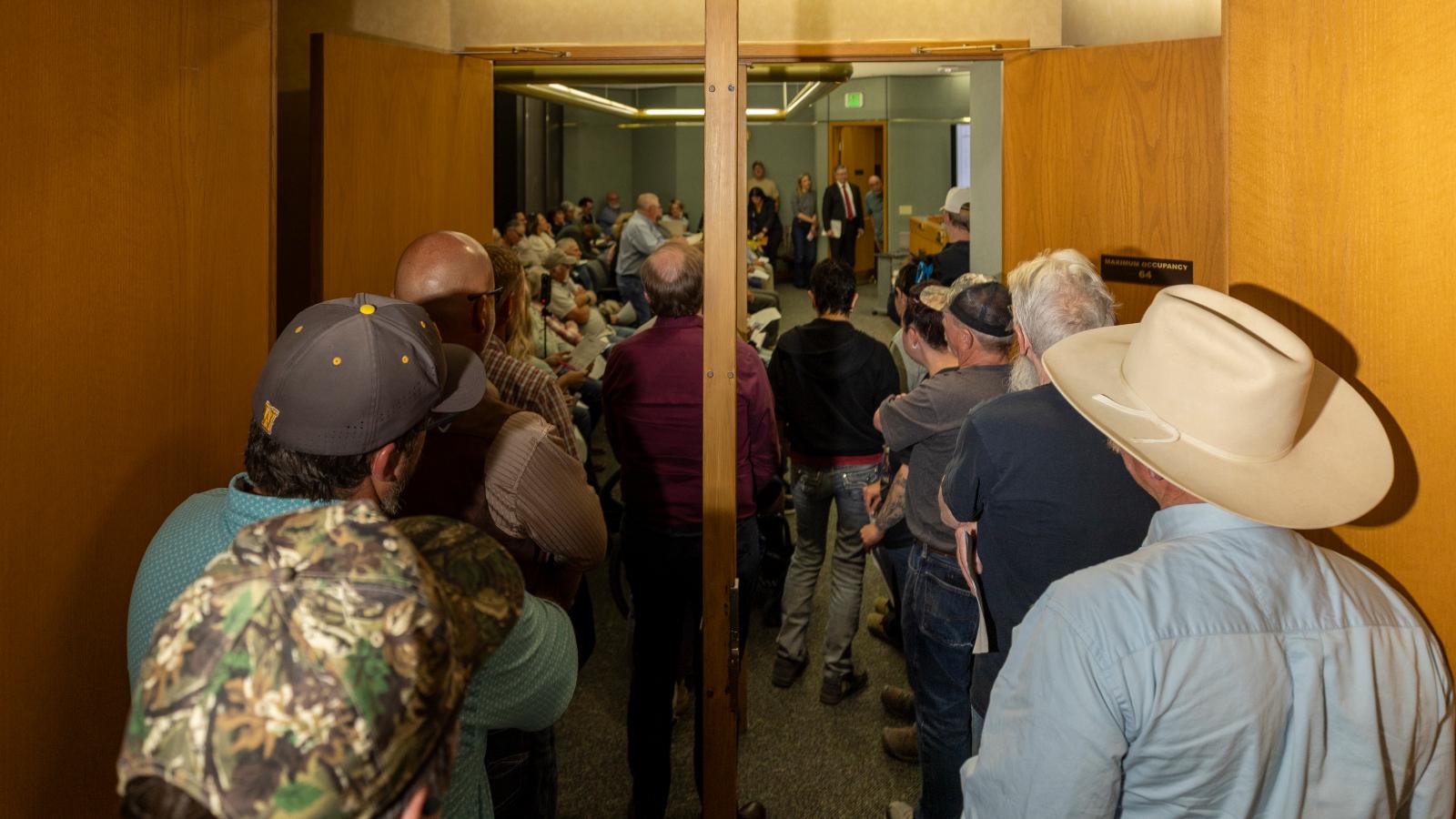
Part of what makes AI data centers different politically is that they are relatively new and unencumbered by the political baggage that weighs down other issues. Experts say the sheer scope of the AI buildout and related opposition is what gives the backlash its unusual scale and political force — currently, there are more than more than 800 group working across 49 states to oppose some 1,500 planned data centers.
But what might look like a unified anti-data center movement from a distance is actually a series of distinct fights unfolding simultaneously. The concerns motivating a community in Virginia to oppose a data center might be different from those inspiring a municipality in California to take up the same fight. Even within local fights, people often have varied reasons for showing up: light pollution, greenhouse gas emissions, or existential fears about AI.
Some research shows that Republicans and Democrats emphasize different risks when talking about data centers. “Republican officials often raise concerns about tax incentives and energy grid strain, while Democrats tend to focus on environmental impacts and resource consumption,” said a report from Data Center Watch, a project run by the AI firm 10a Labs that keeps tabs on local data center activity.
In Box Elder County, Utah, where Trump walked away with nearly 80 percent of the vote in 2024, a 40,000-acre data center project backed by celebrity investor Kevin O’Leary is facing intense backlash from rural conservative voters over its perceived impacts on the rapidly drying Great Salt Lake and the project’s electricity and property tax breaks. Earlier this month, voters in left-leaning Monterey Park, California, approved a ballot measure permanently banning data centers in order to “protect air quality, drinking water resources, and public health.”
While the local opposition is place-specific, there are overlapping national political undercurrents that may be buoying the backlash regardless of place or party. The executives driving the data center boom — Tesla and SpaceX’s Elon Musk (who last week became the world’s first trillionaire), Meta’s Mark Zuckerberg, OpenAI’s Sam Altman, and others — are far more familiar to Americans than the leaders of most major industries.
“No one can name the CEO of Exxon Mobil,” said Alex Beauchamp, northern regional director at Food and Water Watch, a nonprofit advocacy group that has been pushing for the New York data center moratorium. That’s not the case with tech CEOs. “These guys are real, actual villains to a lot of people,” he added.
For years, tech moguls tried to position themselves as visionary leaders ushering in a more just future, hiring huge numbers of workers to companies they promised had altruistic intentions. But the tides of political opinion have shifted as tech firms have grown larger, more powerful, and more entwined with the federal government while also laying off tens of thousands of employees and spending billions on data centers (just four tech companies are projected to spend a total of $670 billion on AI-related infrastructure this year).
Michael Siluk / UCG / Universal Images Group / Getty Images
Polling suggests Americans are growing increasingly mistrustful of Big Tech and its growing concentration of technological, economic, and political power: Just 7 percent of voters in a recent survey said they trust tech CEOs to make decisions that affect their lives.
Then there’s the broader context of the rising cost of living motivating so many American voters right now, making communities especially sensitive to the effects of data centers on electricity bills and public resources.
“We have this war that is making all prices go up, energy prices go up, so people are super aware of the ways that building other infrastructure in their towns is potentially going to make their access to less expensive energy impossible,” said Dana R. Fisher, director of the Center for Environment, Community, and Equity at American University, referring to the Iran War. “I think that works really well across ideological lines.”
Still, experts warn that the ties that bind America’s broad political spectrum in opposition to the AI boom could fray as the 2026 midterm elections approach and politicians seek to use the issue to their advantage. “Issues that can unite people across partisan lines, once they attract that broad political attention, the forces of partisanship tend to overwhelm everything else,” said Megan Mullin, a professor of public policy at the University of California, Los Angeles.
It’s a lesson Beauchamp, at Food and Water Watch, remembers well from the campaign to ban hydraulic fracturing in New York. In 2014, New York became the first state with underground gas reserves to ban the practice of shooting water at high speeds horizontally through buried rock to unlock deposits of natural gas. In the years leading up to the ban, a broad political coalition of New Yorkers shared many of the same concerns that today’s data center activists hold. Fracking poses serious risks to local water supplies, contributes to air and noise pollution, and brings heavy industrial activity to rural areas unaccustomed to industry.
After New York banned the practice, Beauchamp assumed other states would follow suit. But the issue quickly became deeply partisan, as fossil fuel lobbyists and Republican officials sought to position the anti-fracking movement as a green ploy to undermine energy production and hurt working-class communities. As of today, only five states have a fracking ban on the books. Politicians who were open to banning the practice have come to regret that position. Kamala Harris’ vow to ban fracking on the campaign trail in 2019 was one of Trump’s favorite offensive cudgels when the two candidates faced off for the presidency in 2024.

“This feels to me like the early days of the fracking fight,” Beauchamp said. “A lot of Republicans were really up in arms about it in the beginning, and then it slowly became a partisan issue.”
Data centers could soon be swept into that same right-versus-left vortex — but some activists are holding room for the possibility that new coalitions could emerge out of it. “It’s a moment to re-scramble people’s brains and build new cross-partisan alliances,” said Evan Sutton, the founder of the communications consulting firm Firekit Campaigns, who has helped people opposing data centers across the U.S. connect with one another. “It’s a remarkable and probably very rare opportunity to create something different.”