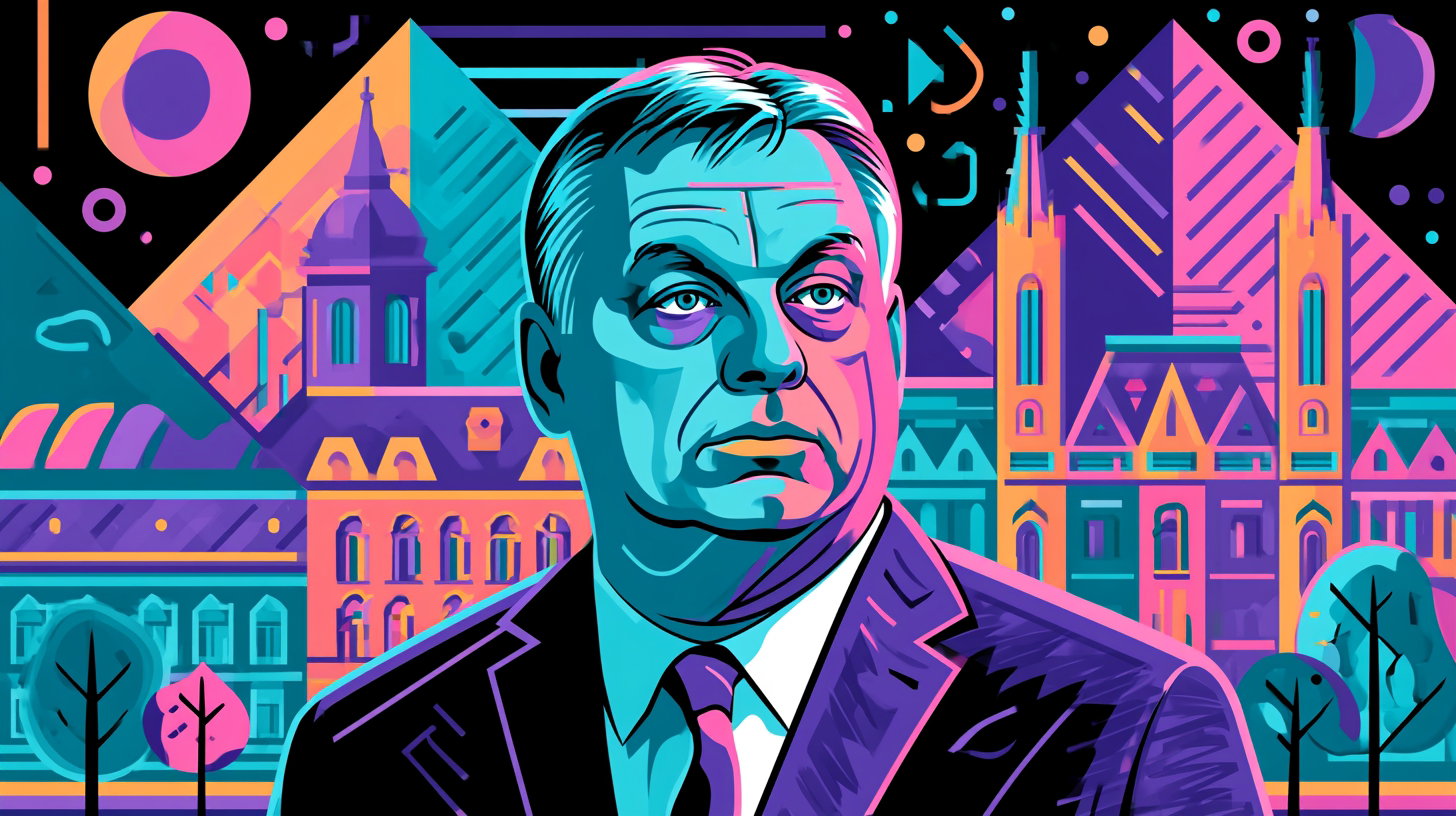
- A captured state: Orbán built his power on money, ideology, and votes, fusing rent-seeking, propaganda, and a rewritten constitution into a single system.
- Frozen funds, hard deadline: €16 billion in EU money remains blocked over rule-of-law breaches, with a Recovery and Resilience Facility deadline of 31 August 2026 forcing rapid reform.
- Dismantling the propaganda machine: Ending state advertising will starve the outlets and institutes that spread illiberal ideology for more than a decade.
- Loyalists still in place: Many officials, including President Tamás Sulyok, remain entrenched, threatening the new government’s reforms.
- The post-illiberal trilemma: Magyar must reverse the damage quickly, prevent a populist comeback, and respect constitutional norms all at once.
In 2009, as Viktor Orbán prepared to take power, he set out a blunt strategy for his supporters: to seize and hold control, three things were indispensable — money, ideology, and votes. That calculus remained the cornerstone of his rule throughout his 16-year tenure.
His economic policy openly favoured a privileged few, fostering rent-seeking rather than addressing the nation’s real developmental needs. The tax and welfare systems were restructured to reward long-standing party loyalists. Under the banner of “illiberalism”, Orbán recast a century-old order to concentrate power and enlist the state in ideological combat, in stark contrast to European liberal democracy. This approach suppressed public debate and systematically marginalised critics, branding them enemies of the nation.
Over time he assembled a formidable media and propaganda apparatus, relentlessly pumping out the party’s polarising messages. After his 2010 takeover, Hungary’s democratic constitutional order disintegrated within three years. Armed with a 67 per cent parliamentary majority, Fidesz pushed through a new Basic Law and supporting legislation that cemented Orbán’s grip on the state. By stifling the opposition, muzzling the free press, and demonising civil society, he secured his rule for more than a decade and a half.
Yet a swelling tide of public discontent — fuelled by his unrelenting thirst for power, his aggressive foreign policy, and a faltering economy — has at last united Hungarians and opened the way to a genuine alternative. On 12 April 2026, Péter Magyar, a former Fidesz insider, rallied a cross-party anti-Orbán coalition and drove him from power.
Progressive Thinking on the Big Issues of Our Time
Read by policymakers, academics and journalists in 100+ countries.
Magyar is committed to restoring pluralistic European democracy and holding to account those who abused their power. Despite a parliamentary majority and broad public backing, he faces formidable obstacles. Orbán’s regime bequeaths a stagnating economy riddled with structural flaws, failing public services, a bloated and costly bureaucracy, a Basic Law that obstructs effective governance, pervasive corruption, and a divided society. Many senior officials remain loyal to Orbán, threatening the new government’s reforms.
To meet these pressing challenges, Magyar plans to overhaul the state administration and replace large numbers of officials. This is not merely a question of trust; it demands a wholesale shift in the philosophy of governance and public service. As the foundations of a democratic transition take shape, the new government confronts fresh hurdles every day.
Money
The first decisive step toward effective governance is to revive Hungary’s stagnant, debt-laden economy. A precondition is unlocking the €16 billion in EU funds earmarked for Hungary but frozen over rule-of-law violations. Meeting the required criteria must be the new parliament’s priority, especially as the deadline under the Recovery and Resilience Facility (RRF) falls on 31 August 2026. Access to this money is vital to repair the chaotic budget inherited from the previous administration. It would allow Magyar to cut the deficit, spur growth, and launch a reform programme to build a competitive economy.
With Fidesz fallen, tackling rampant corruption — which has cost Hungary at least one to three per cent of GDP each year over the past decade — is imperative. The new National Asset Recovery and Protection Agency will concentrate on the most serious cases. Its results may at first look symbolic, but the transparency it fosters will materially aid economic recovery.
Ideology
Restoring democracy depends on guaranteeing access to credible information. Dismantling Fidesz’s state propaganda machine and rebuilding a free public sphere is essential. Restoring the neutrality of public media is a central goal for the Tisza party, but it will not be straightforward. Is public-service media an essential public good? If so, is it mainly about broadcasting, at a time when many groups have turned away from traditional media? Can the independent platforms that have delivered high-quality news be woven into this new landscape? Even with the European Media Freedom Act to guide them, these questions demand vigorous public debate.
The abrupt end of government advertising will hit hard the many propaganda outlets once controlled by the prime minister’s office. The research institutes, think tanks, museums, and educational centres that propagated illiberal ideology will likewise face deep cuts in public funding. The Mathias Corvinus Collegium (MCC), sitting on €1.5 billion in assets drawn from public money, may keep operating on private donations even if the state withdraws its support.
Votes
Magyar’s government promises decisive action to dismantle the illiberal system and restore the rule of law, with a relentless fight against corruption at its core. Recent amendments to the Basic Law cap the prime minister’s tenure at two terms and commit Hungary to joining the European Public Prosecutor’s Office.
These are critical steps, but building an independent judiciary and a robust system of checks and balances will take sustained effort. One early test is the removal of Tamás Sulyok, the Orbán-loyal president elected in 2024. His earlier political career may delegitimise him, yet his office remains legally entrenched.
Magyar’s government must navigate what might be called the “post-illiberal trilemma”, three goals that pull against one another: swiftly reversing the damage of illiberal rule, preventing a populist resurgence, and strictly observing constitutional norms. Balancing speed, efficiency, and legality is essential to Hungary’s re-democratisation. Yet the deep public trust in Magyar’s movement offers a powerful opening for democratic renewal, and a strong sign that a credible path back to democracy is within reach.
Help Keep Social Europe Free for Everyone
We believe quality ideas should be accessible to all — no paywalls, no barriers. Your support keeps Social Europe free and independent, funding the thought leadership, opinion, and analysis that sparks real change.
Social Europe Supporter
— €4.75/month
Help sustain free, independent publishing for our global community.
Social Europe Advocate
— €9.50/month
Go further: fuel more ideas and more reach.
Social Europe Champion
— €19/month
Make the biggest impact — help us grow, innovate, and amplify change.