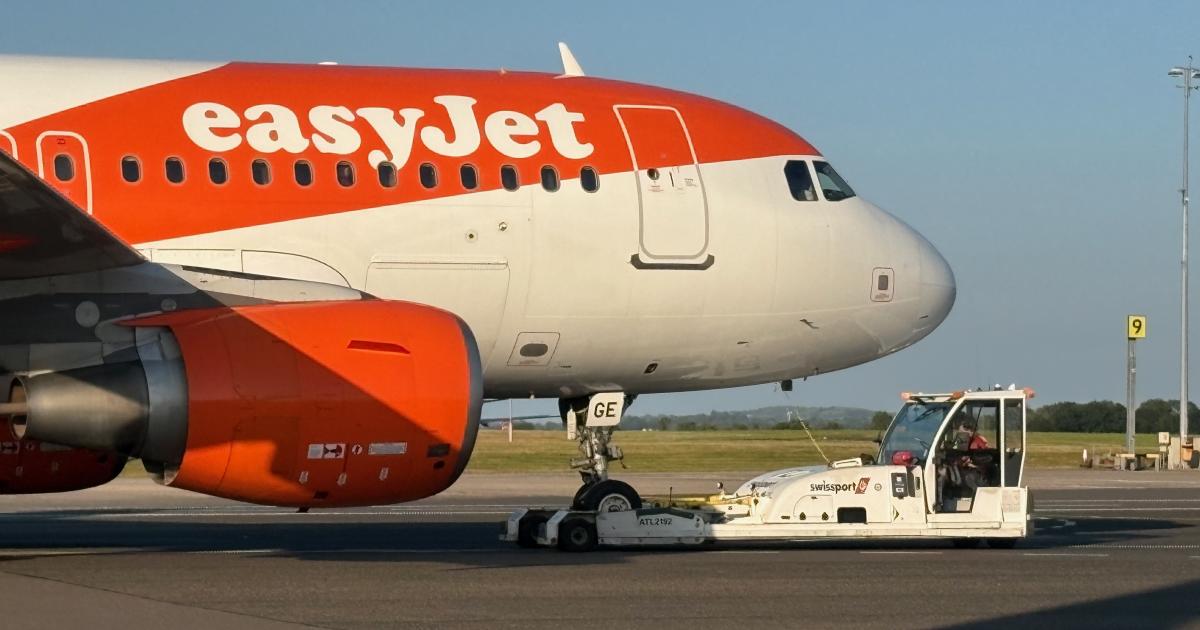
Coach travel shown to be consistently cheaper than flying when these realistic travel needs are taken into account.
Climate charity Possible has released a report showing that coach travel between Britain and Europe is significantly cheaper than flying, while also reducing emissions by up to 90 per cent.
The analysis looked at 50 travel routes from six British cities to Europe, comparing advertised fares to realistic journey costs for a typical passenger travelling with one suitcase by plane and by coach, as well as for a family of four sharing two suitcases between them.
The findings suggest that although flights are often cheaper at the advertised headline fare level, coach travel is consistently cheaper when these realistic travel needs are taken into account.
Routes
Tom Nevitt, the sustainable travel leave campaigner at Possible, said: “As our analysis shows, coach travel is cheaper overall than flying, making it more attractive to lower-income workers and families, but coach journeys often take much longer than flying.
“The result is that those who cannot afford to fly are forced to sacrifice more of their limited time off work for the slower, cheaper travel option.
“To help address this inequality, Possible are proud to have supported over 200 employers to adopt Sustainable Travel Leave – enabling workers to access additional paid time off work for slower, cleaner, and often cheaper journeys by land or sea."
He added: "Now, we need to go further to ensure widespread adoption of Sustainable Travel Leave, so that these journeys are accessible to everyone no matter where they choose to go.”
While over two-thirds of flights appeared cheaper at the advertised headline fare level for the majority of the routes considered, the inclusion of checked luggage reversed the comparison.
Luggage
When the cost of one suitcase per passenger is accounted for, international coach travel between Great Britain and mainland Europe was cheaper for 86 per cent of the routes examined, with average savings of £55 per passenger.
Low airfares often dominate the conversation around travel, reinforcing the view that flying offers the most affordable means of travel. But the data shows this is not actually the case.
Budget airlines are increasingly using “ancillary fees” to generate income, charging for luggage and seat selection on top of the cost of the flight itself.
For many travellers, the standard “personal item only” luggage allowance included with the cheapest airfares from airlines like RyanAir, WizzAir, or EasyJet is not enough for a multi-day trip, forcing travellers to pay extra for another carry-on bag or checked luggage, making the overall airfare more expensive than previously suggested.
On the routes analysed, the average headline cost of an air fare was £63, whereas the average ‘real’ cost - including fees for realistic travel needs like luggage - was £119 - nearly twice the cost.
Sustainably
Coach fares also allow for greater flexibility, such as fee-free rescheduling when plans change, and additional discounts for passengers under the age of 16 – which the cheapest airlines do not offer. On top of this, achieving the UK’s net-zero targets will require a major reduction in air travel and its associated emissions.
Shifting towards lower-carbon modes of transport, like coach travel – which can reduce emissions by up to 90 per cent compared to flying – is necessary to combat climate change. This doesn’t mean people shouldn’t travel, but it requires a move towards other methods of travel that don’t include flying.
Of course, the barriers to low-carbon travel include both cost and time. As suggested by the data, coach travel is cheaper overall than flying, but time is still an issue as travelling by coach will be a longer journey than flying.
Practical measures that remove this time barrier are necessary, which is why Possible is calling for governments, employers, and trade unions to adopt Sustainable Travel Leave (STL), which provides employees with additional paid leave to travel via slower, more-affordable transport options for their holidays.
Over 200 employers have already adopted STL, meaning over 10,000 people have access to dedicated leave to travel sustainably and cheaply.
This Author
Brendan Montague is an editor of The Ecologist. This article is based on a press release from Possible.