GRIST
AUGUST 17. 2026
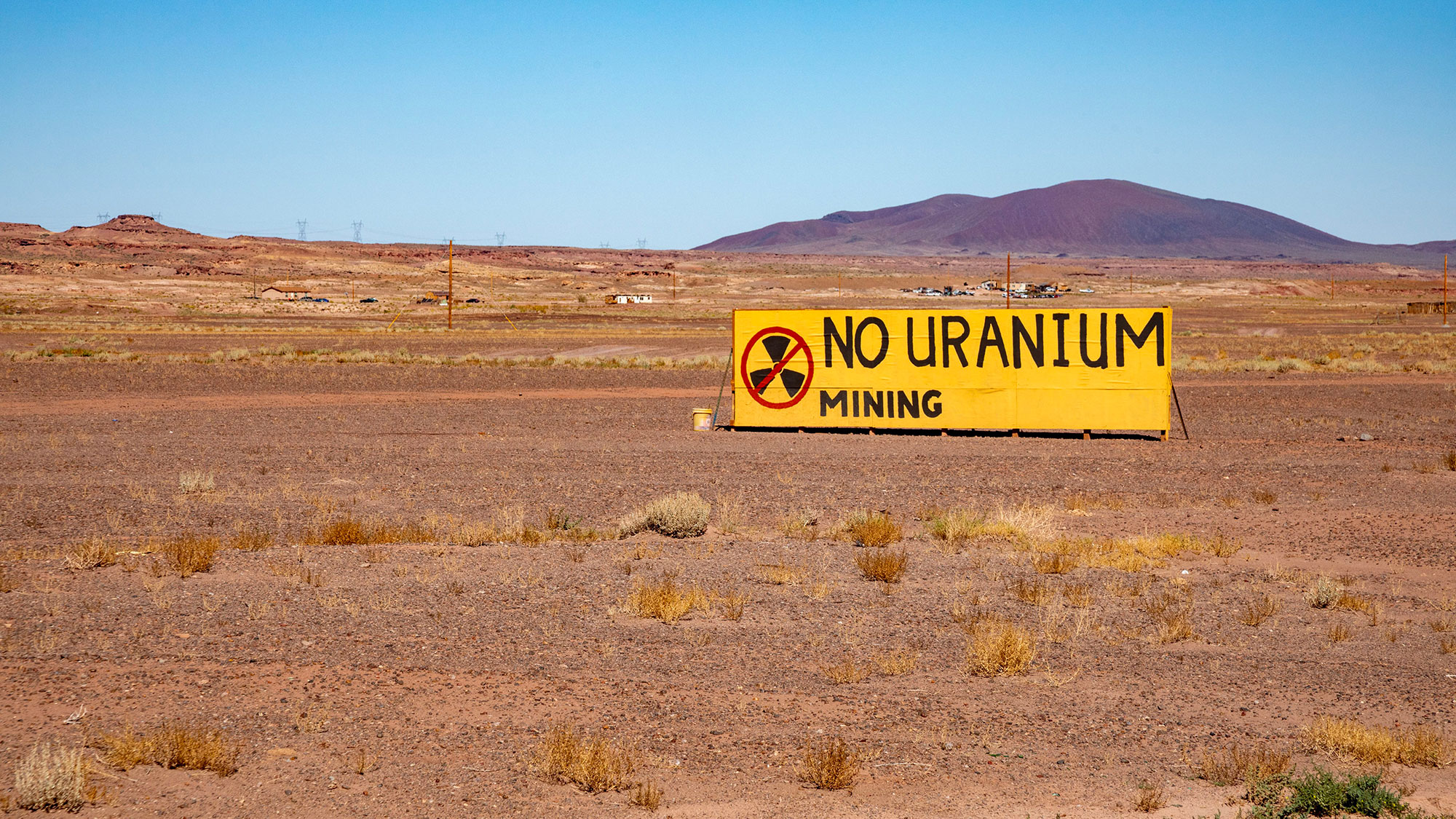
House Democrats have opened an investigation for insider trading.
AUGUST 16. 2026
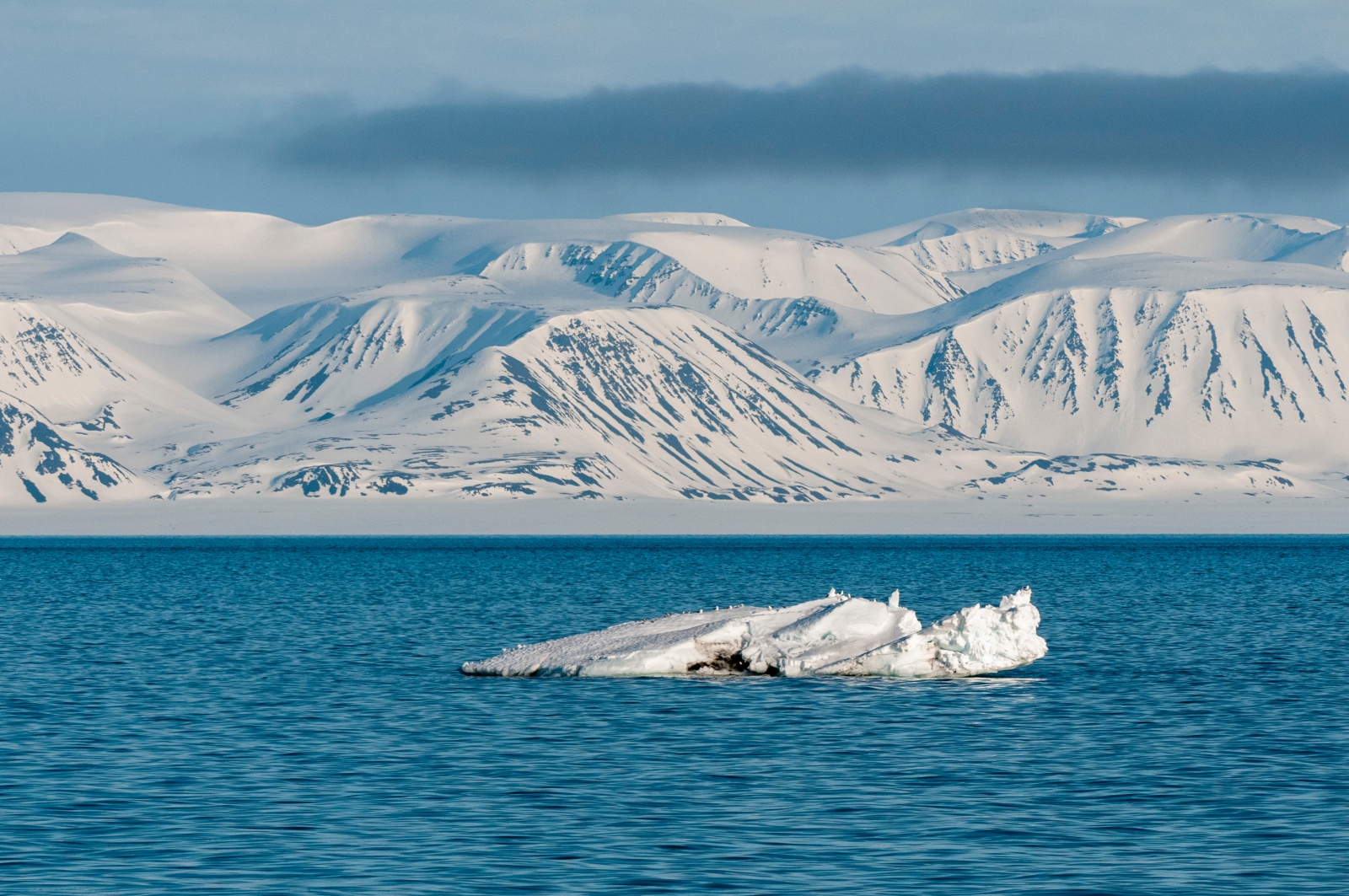
The move by the National Oceanic and Atmospheric Administration is the latest government rollback of climate science activity.
AUGUST 15. 2026
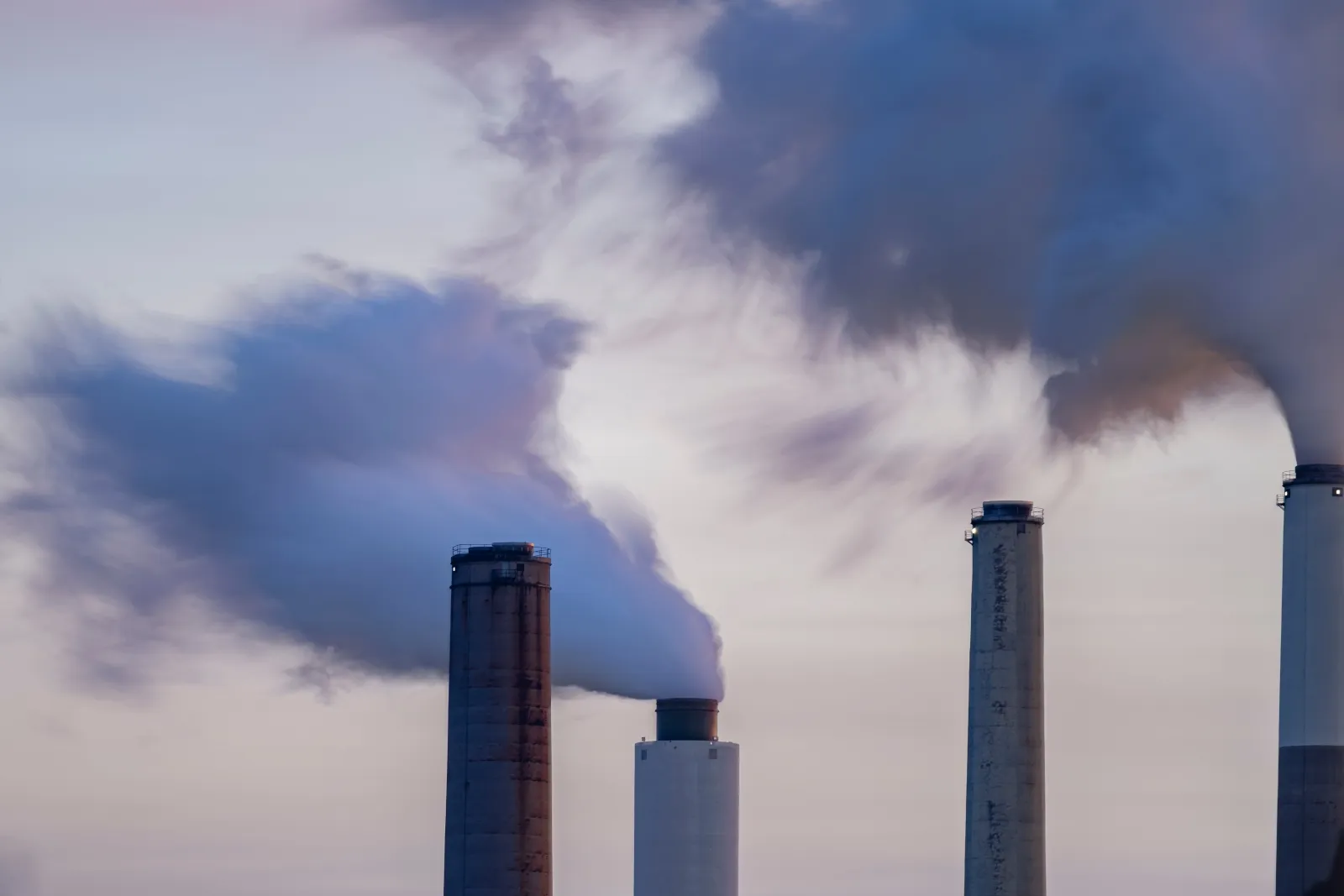
New research finds that by making the fossil fuel industry more productive, AI could help increase carbon emissions by up to nearly 5 percent — vastly outpacing the impact of data centers.
AUGUST 14. 2026
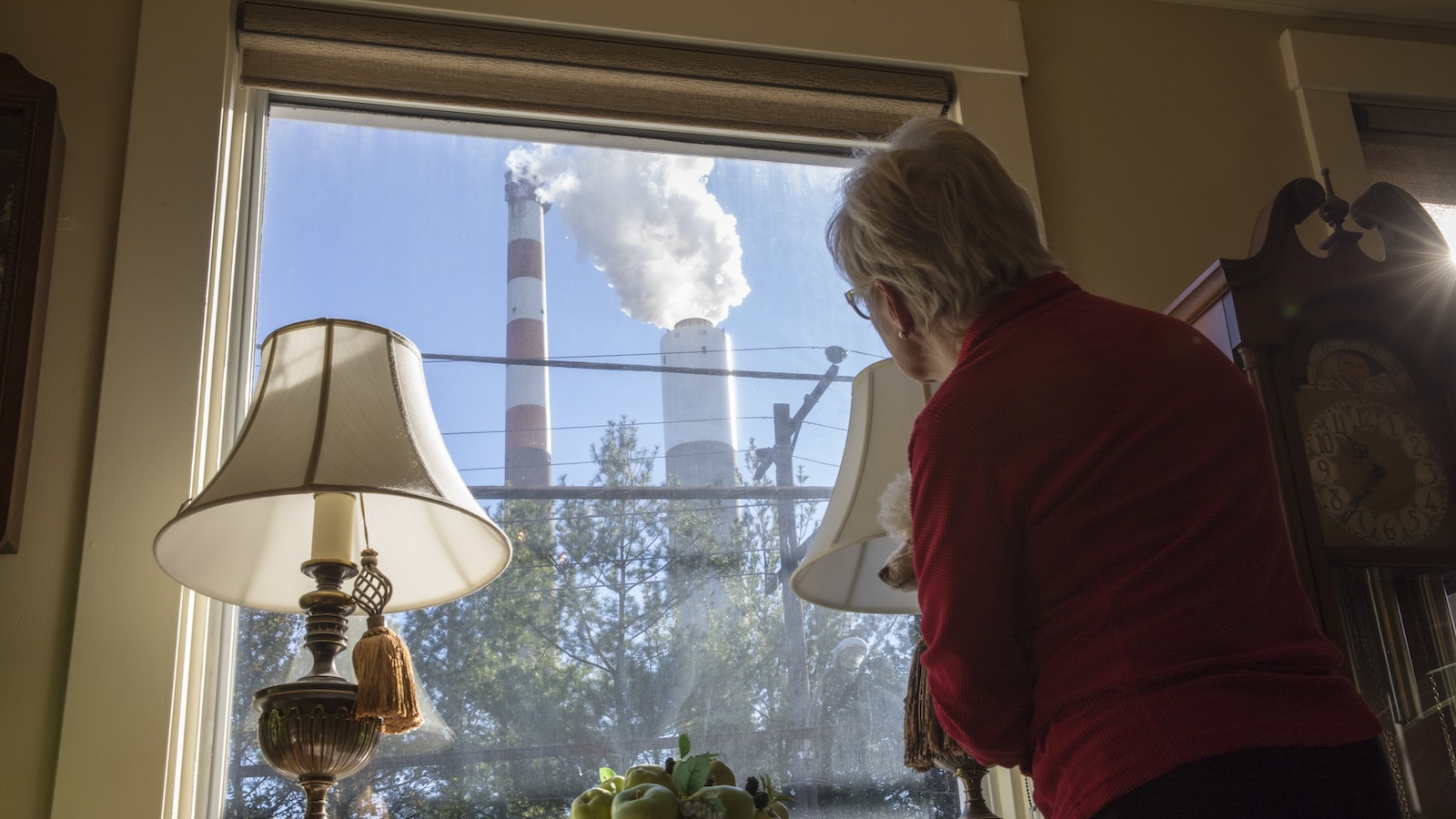
For decades, communities have relied on the agency's cancer risk estimates to hold polluters accountable. This year, it's missing.
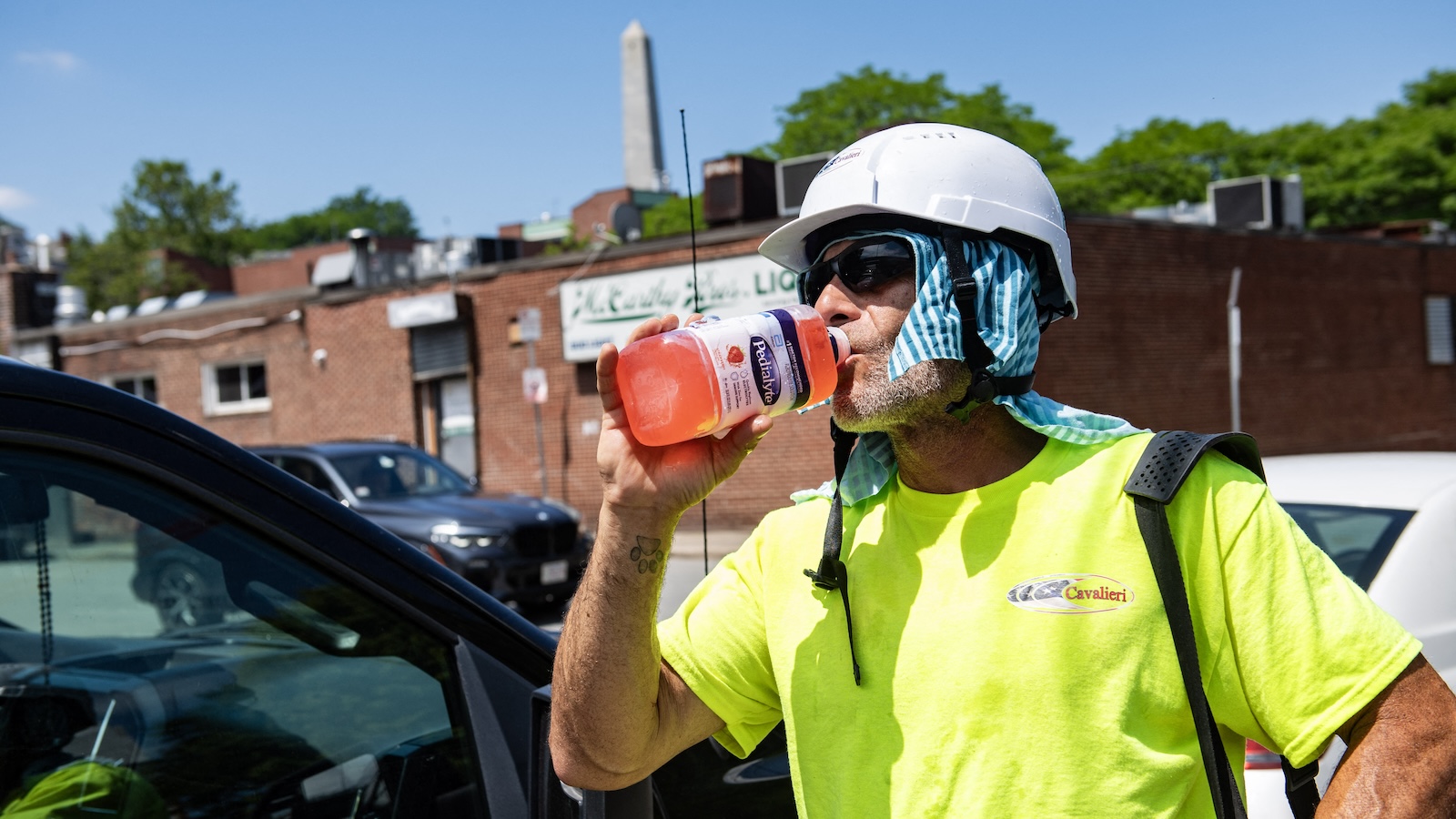
In a summer of record-breaking heat, a congressional committee has moved to block the Biden-era proposal. What gives?
AUGUST 13. 2026
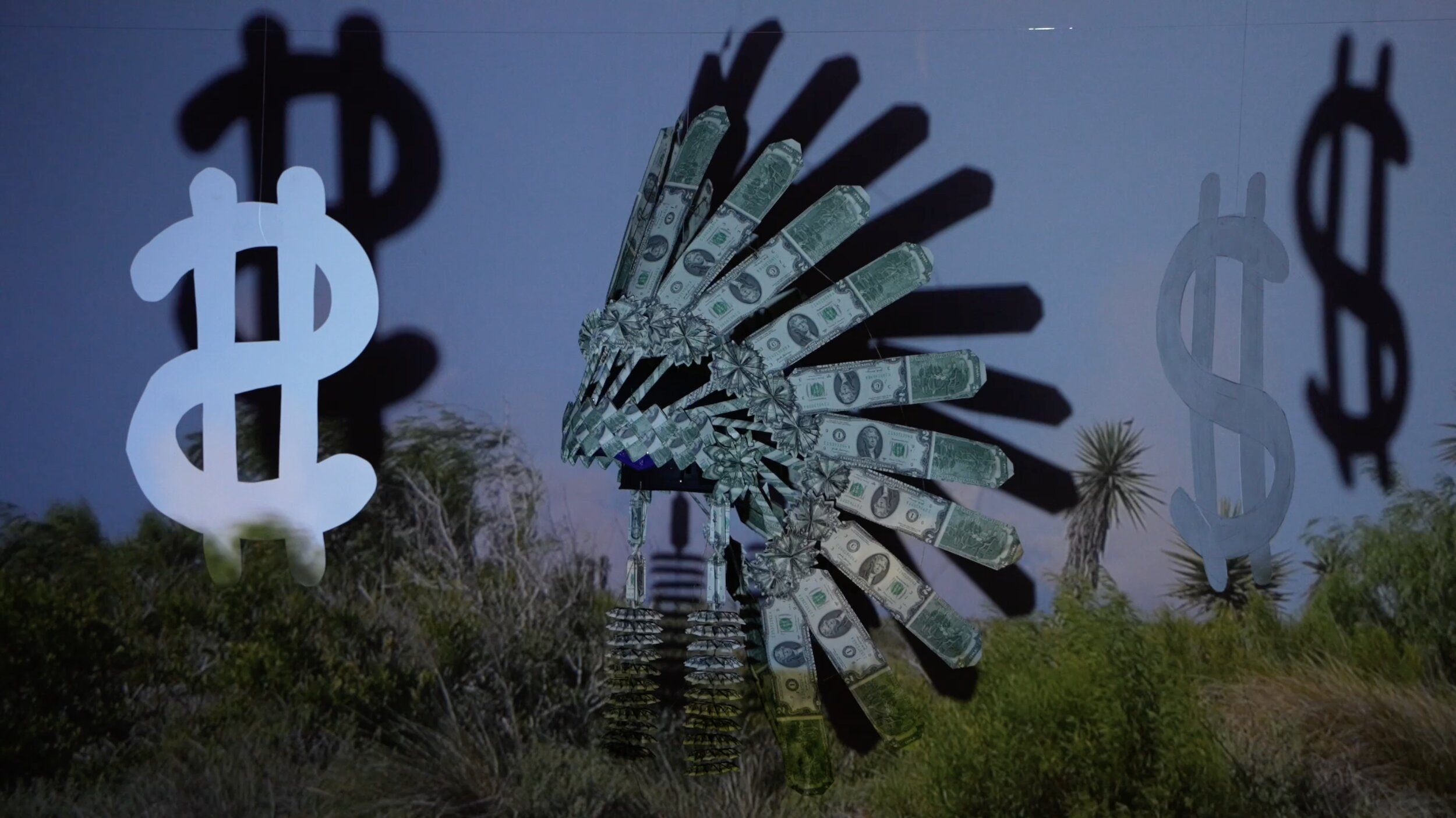
The climate movement gave this Texas tribe millions and a global platform. No one checked its story.
How the Carrizo/Comecrudo Tribe turned family lore into money, media, and a place at the United Nations.
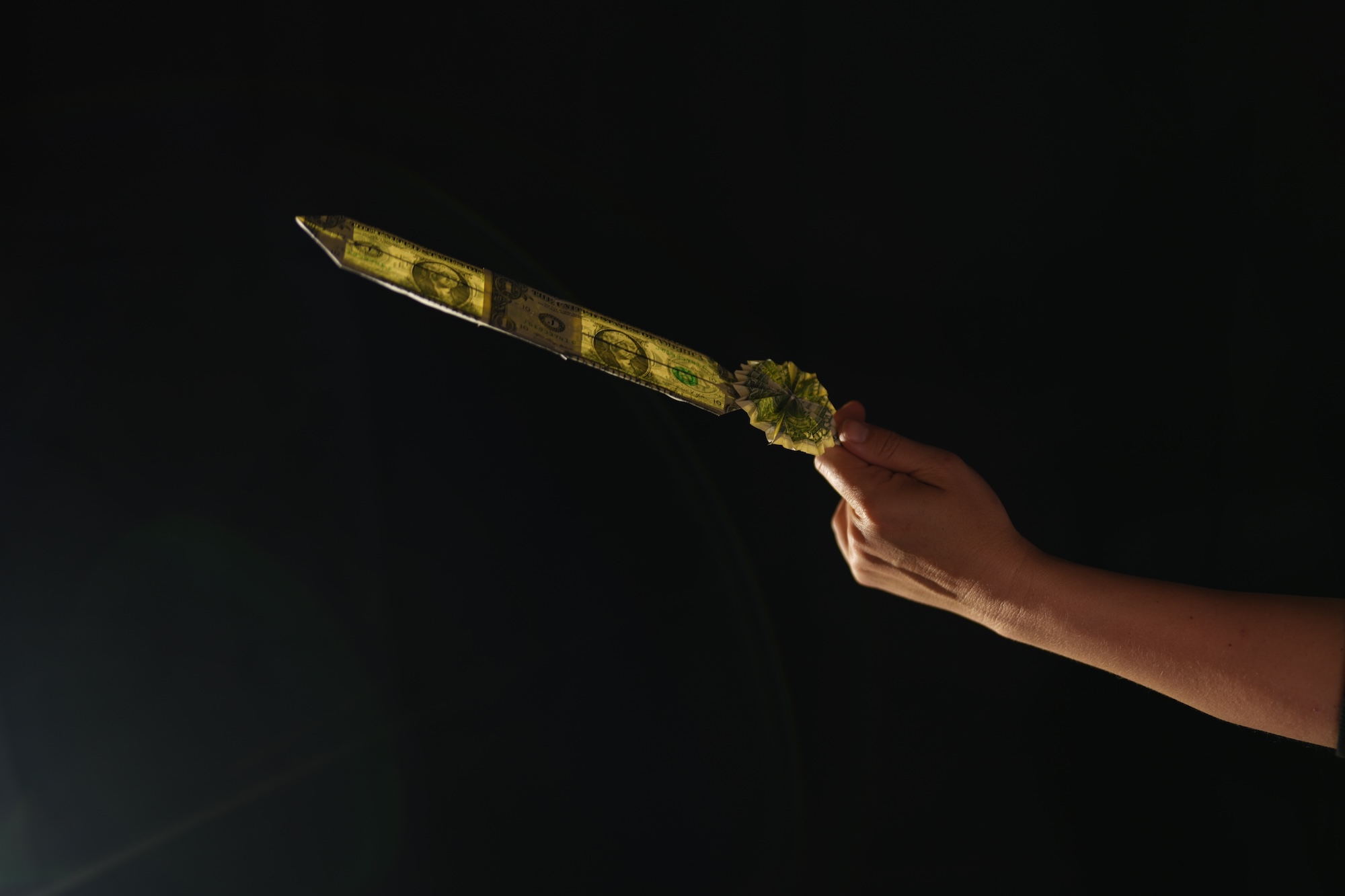
In 2017, Juan Mancias, the chairman of the Carrizo/Comecrudo Tribe of Texas, traveled to France to help pressure two of the country’s largest banks into divesting from oil and gas projects in South Texas. He cast the fight as a new chapter in a centuries-long struggle to protect the tribe’s sacred lands.
Researchers have found that the amount of green space and shade in a neighborhood can significantly shape temperatures. On average, neighborhoods with more trees and green space — instead of impermeable surfaces like pavement — can run anywhere from 1 to 7 degrees Fahrenheit cooler.
AUGUST 12. 2026
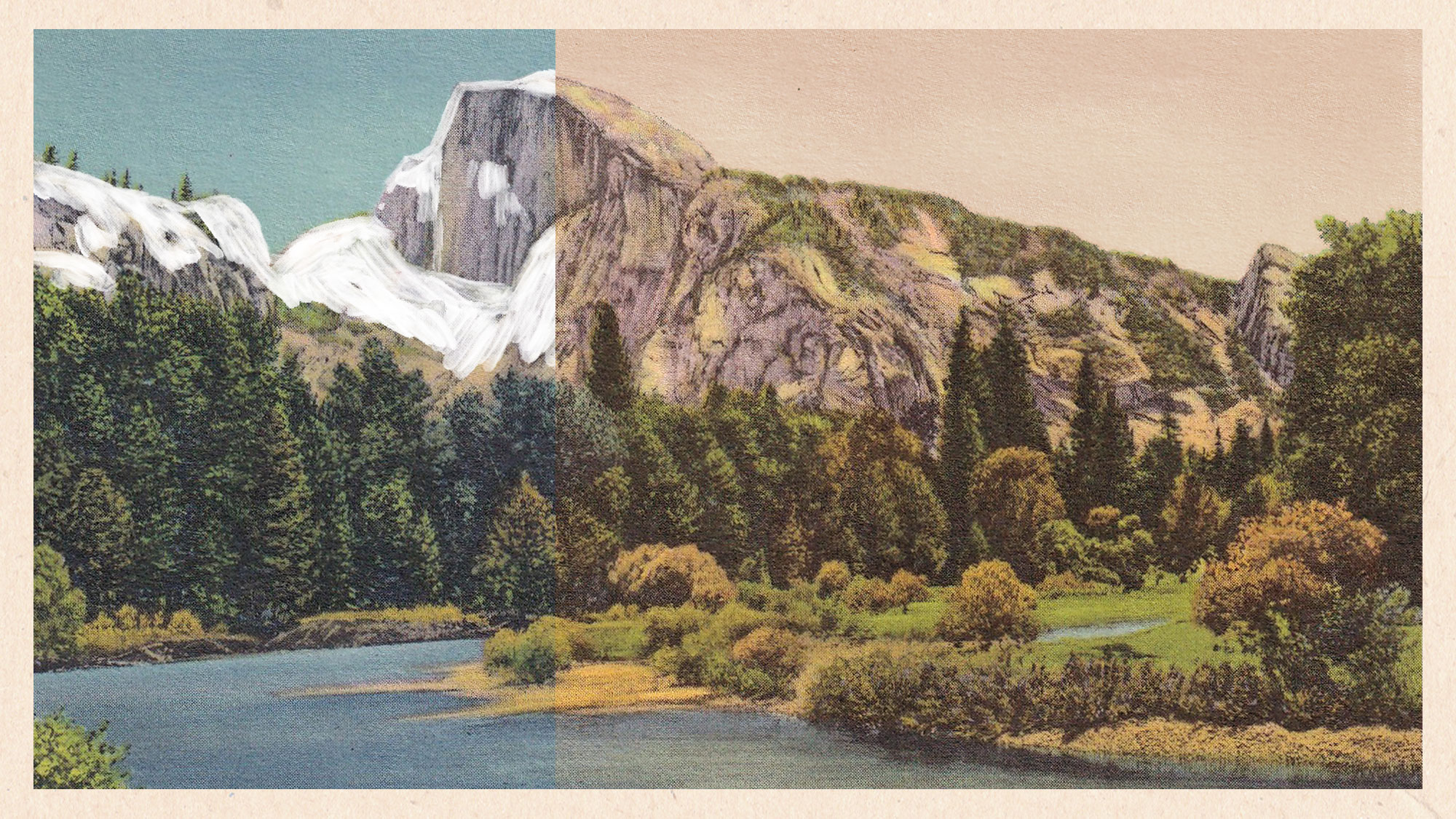
Unseasonably warm weather that rapidly melts snowpack is becoming more widespread in the U. S. West and happening earlier in the year.
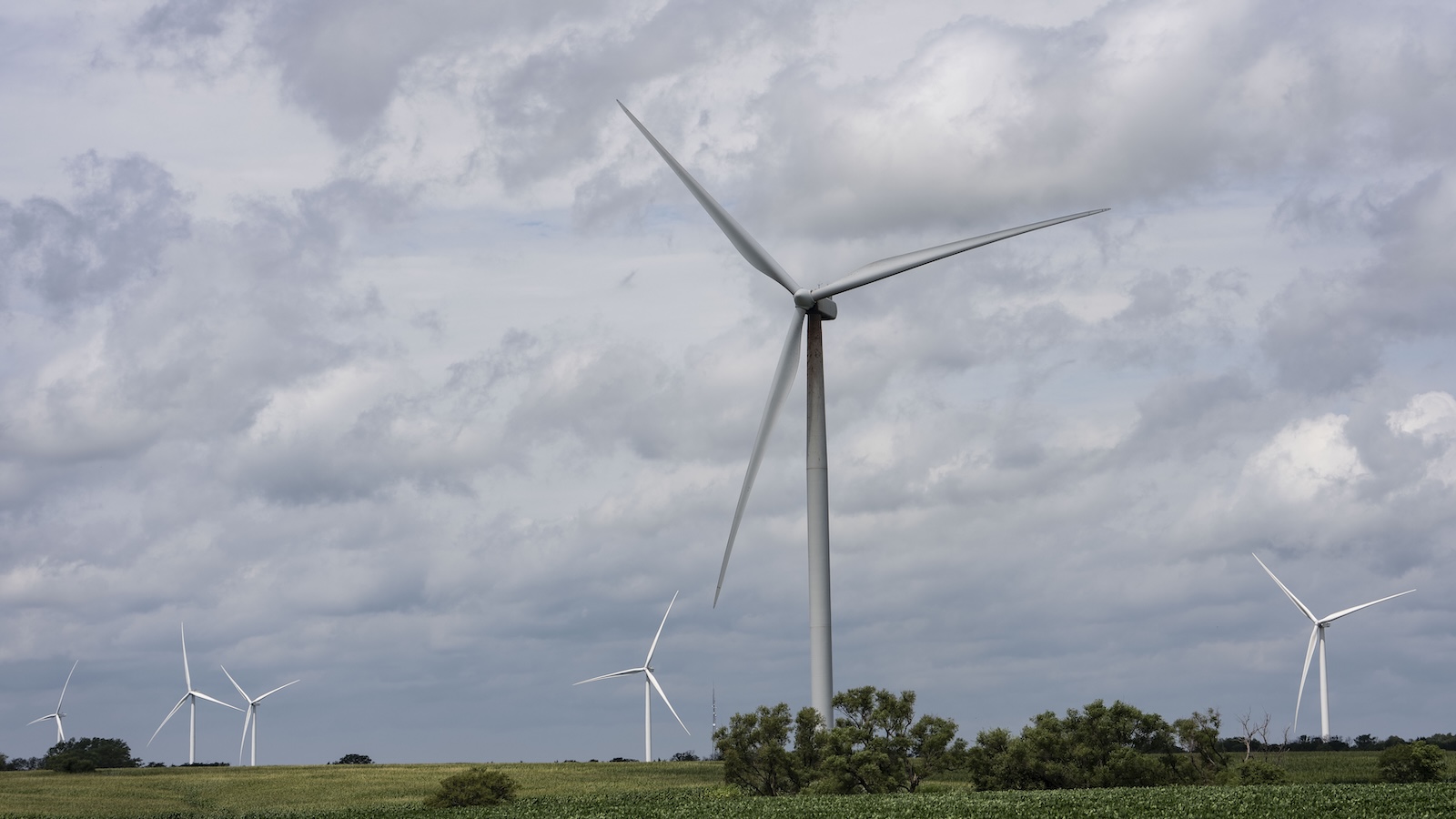
More than 88 percent of the taxes on wind and solar went to just 10 of the state’s 93 counties.
AUGUST 11. 2026
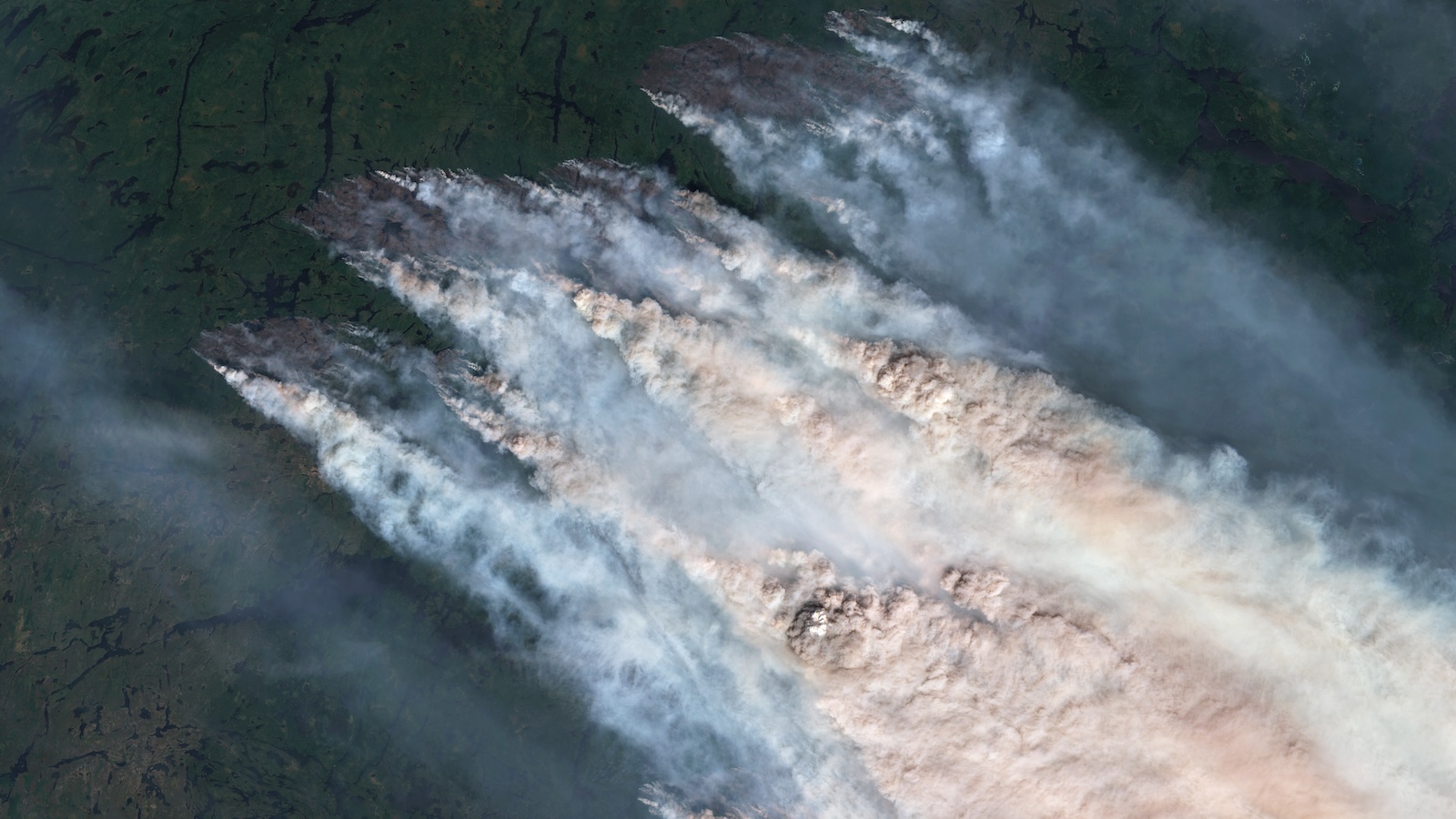
Thousands have been displaced as Indigenous leaders raise concerns about firefighting resources, emergency aid, and evacuation decisions.
The war in the Middle East has sent Big Oil’s profits soaring. Companies are pocketing the money rather than expanding drilling.
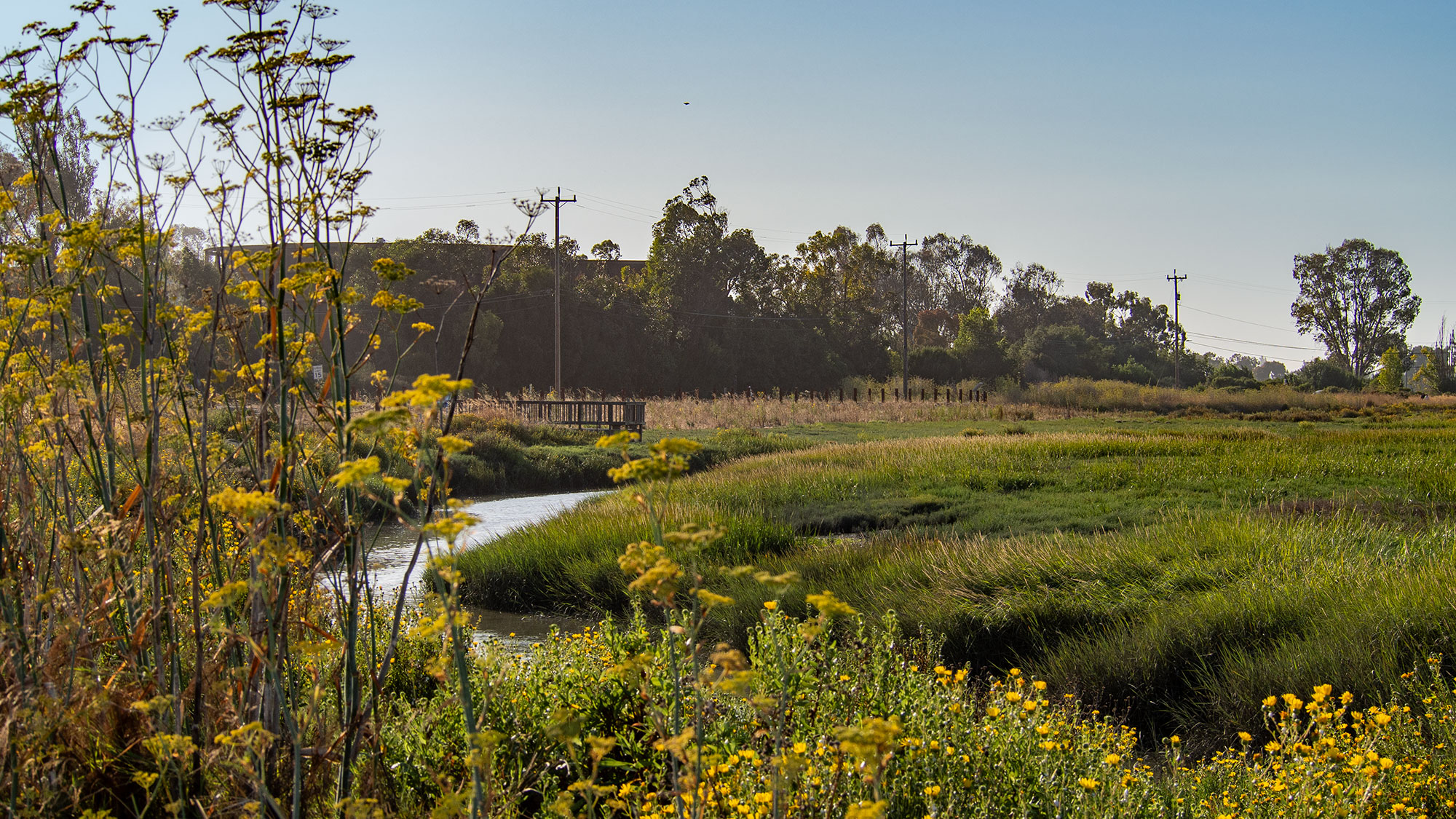
Combining flood mitigation with wetland habitat restoration, "horizontal levees" could protect coastal cities and wildlife from rising seas.
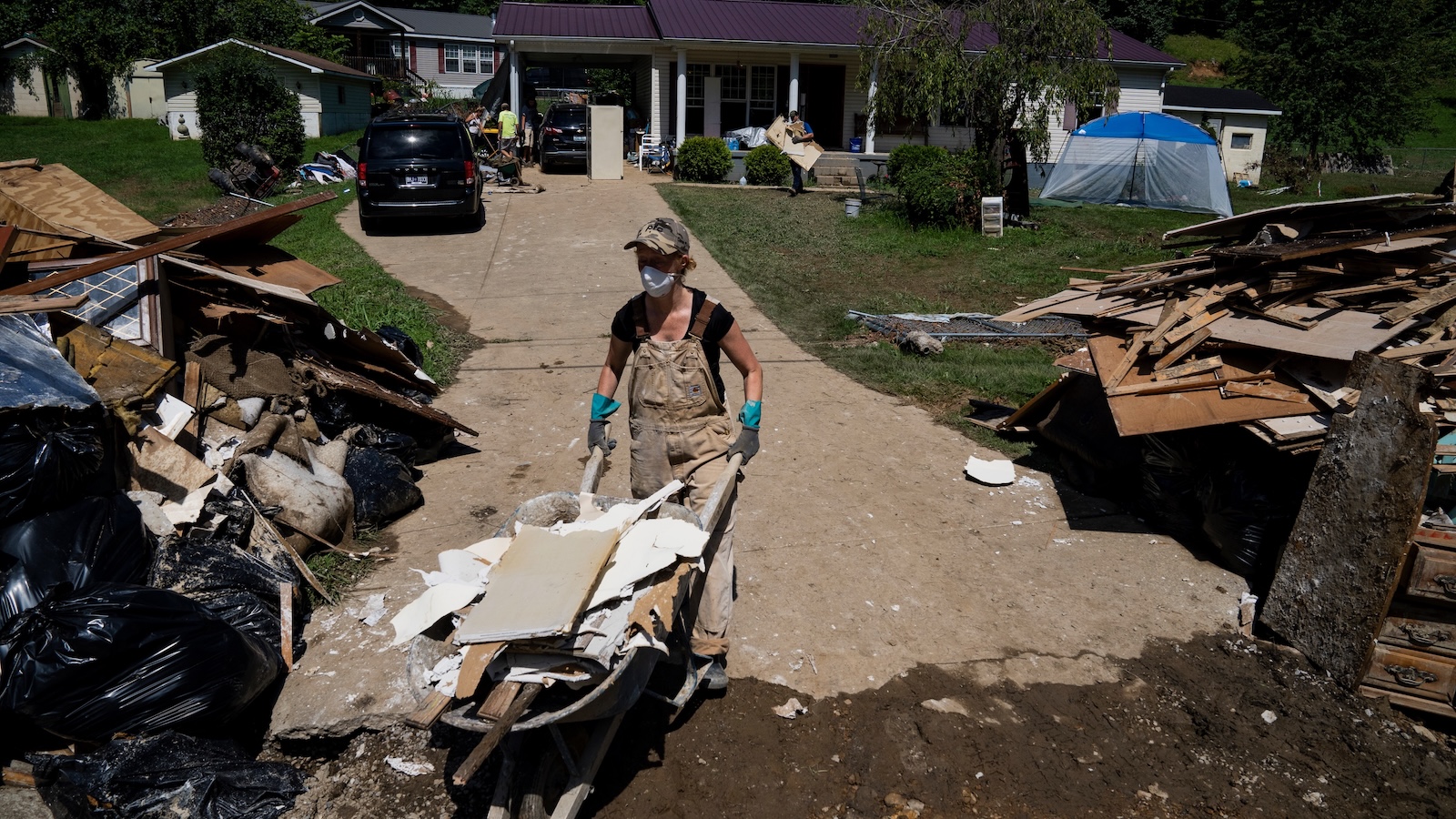
Disrupted treatment, unstable housing, and ongoing trauma help explain a troubling pattern of overdoses now emerging after Hurricane Helene.