GRIST
JULY 17. 2026
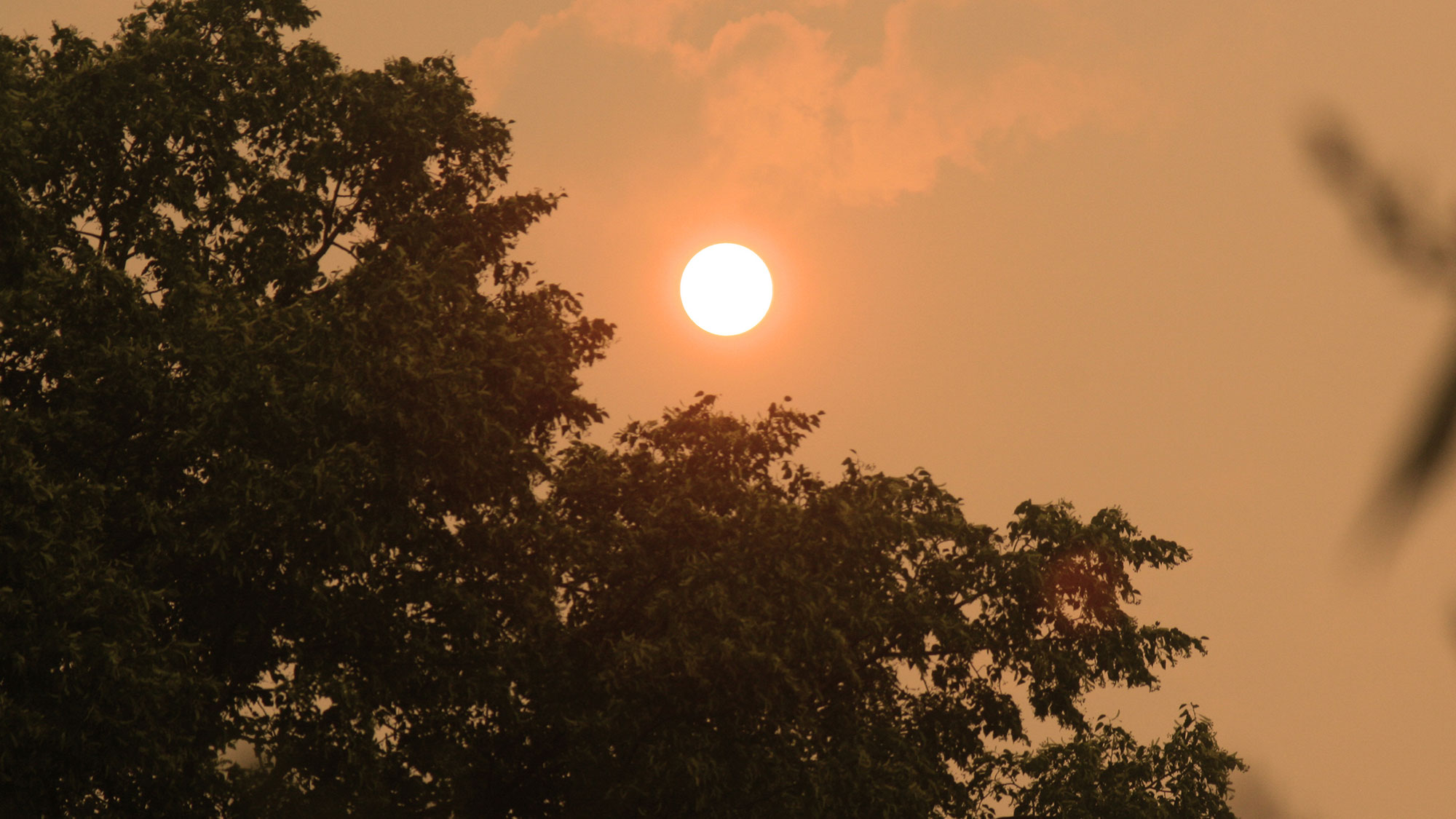
Residents of one First Nations community went door to door warning neighbors before fleeing by boat. More than 900 fires continue burning.
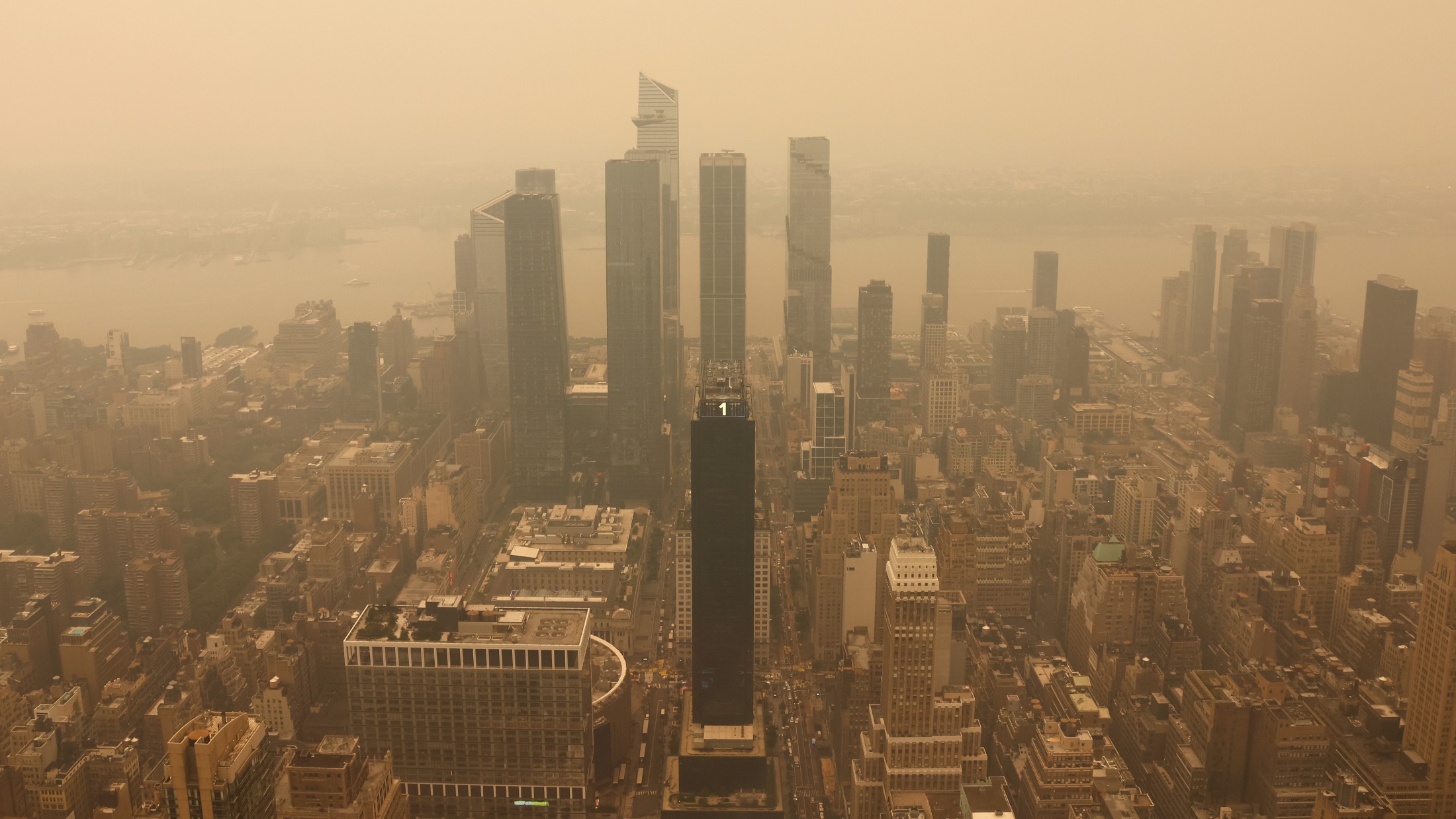
The biggest game in soccer is set for Sunday, when Argentina and Spain will meet in the World Cup final, held just outside of New York City.
As the country sizzled through heat waves, the government removed some of its most actionable advice about how to conserve energy.
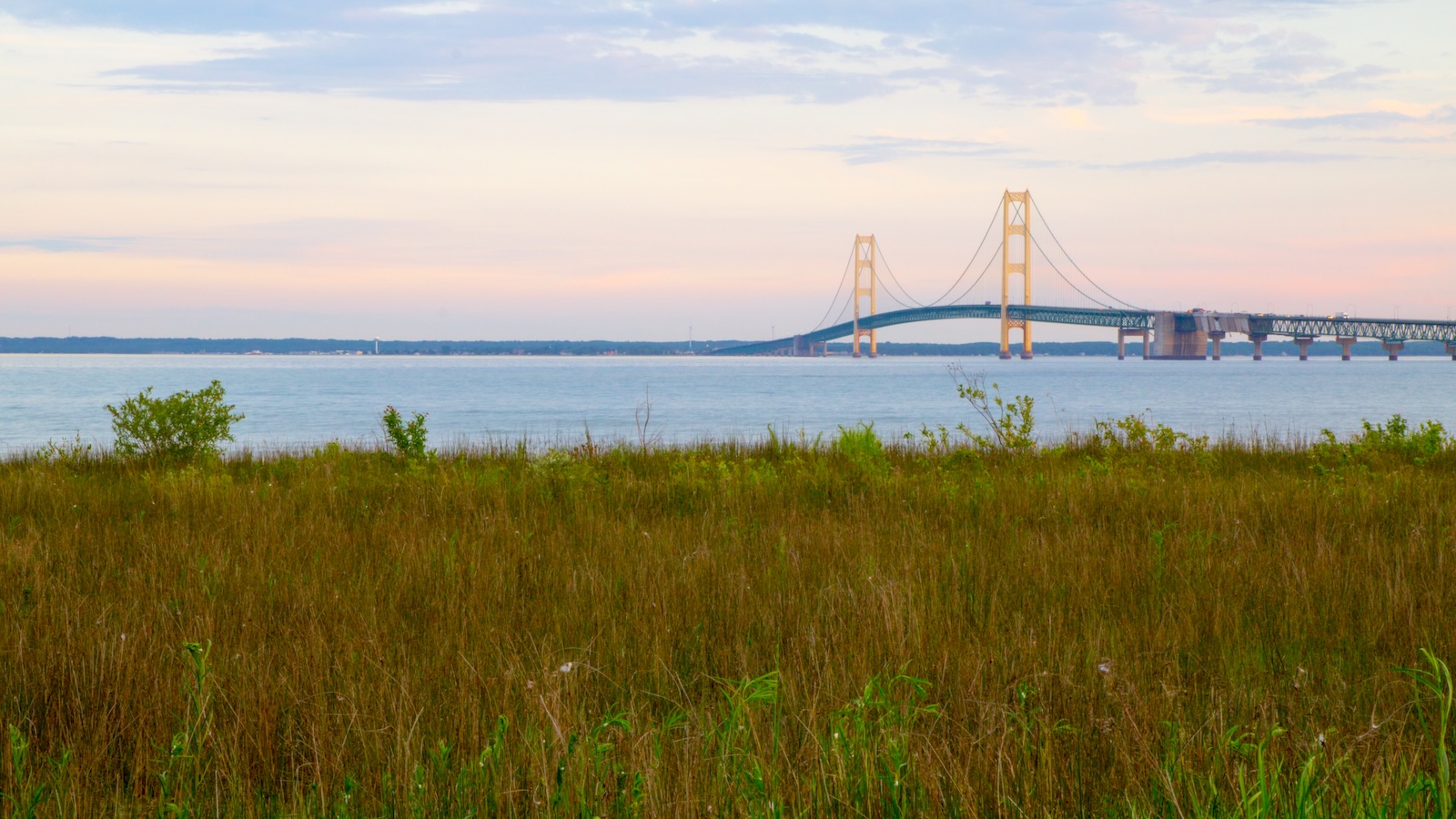
Despite "adverse" impacts on ecological and tribal resources, state regulators said it's better than an oil spill in the Great Lakes.
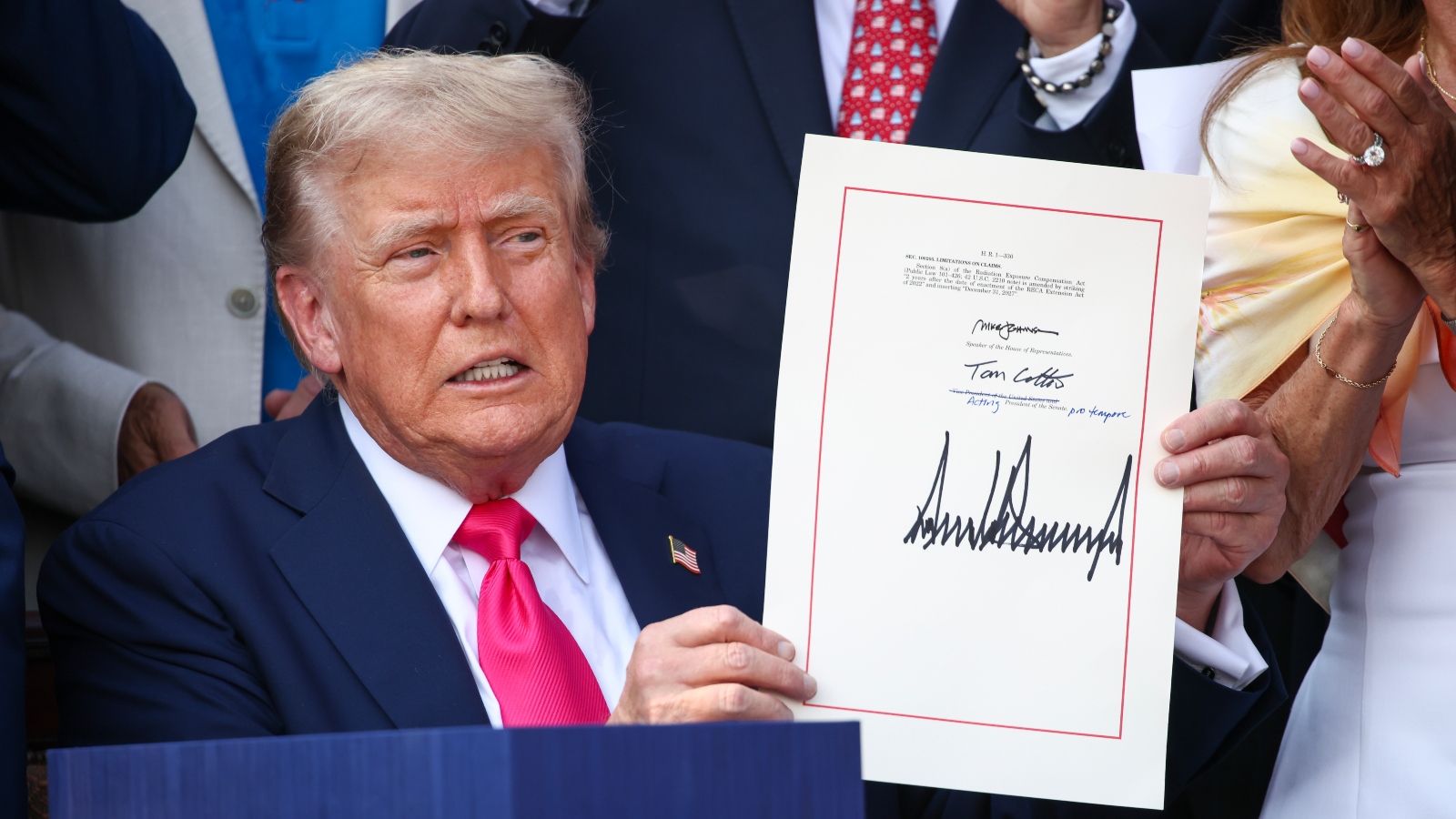
A year after Trump repealed the Inflation Reduction Act, the outlook for climate action is dark. But there are silver linings.
JULY 16. 2026
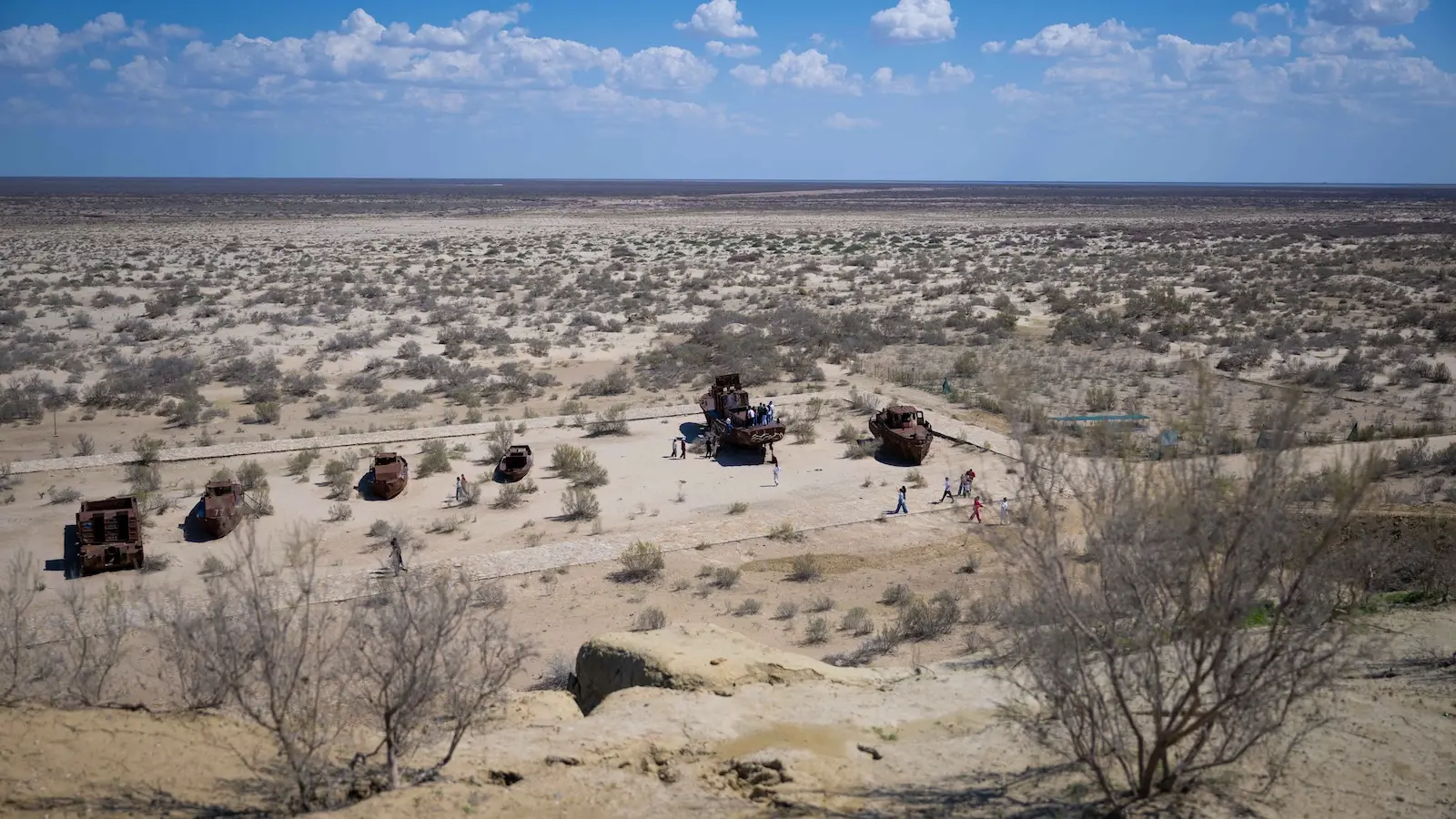
Most of this inland sea is a dry lakebed the size of Ireland, and it has already released 748 million metric tons of CO2.
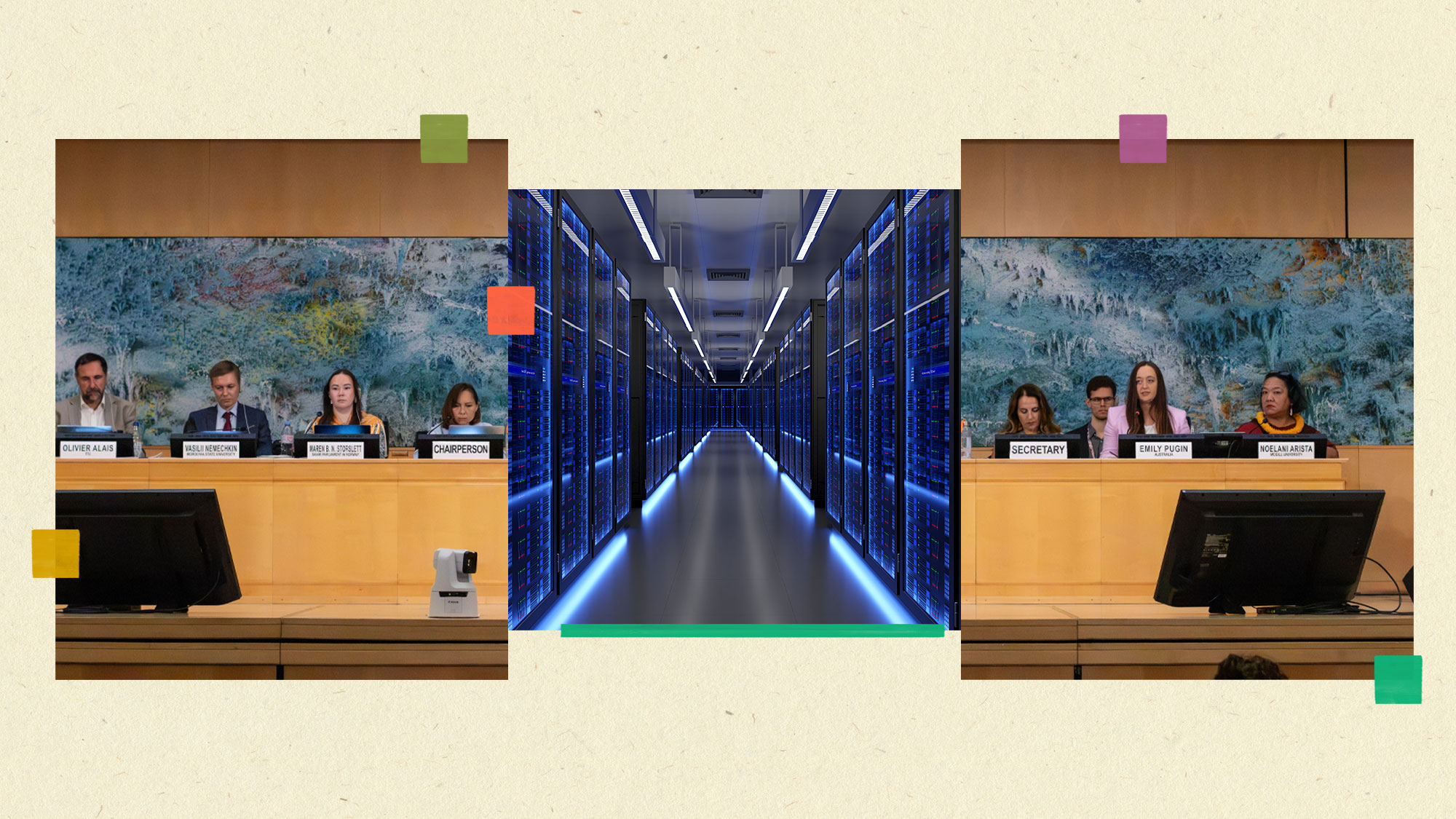
This story is published through the Indigenous News Alliance. AI is the transformative technology of our time, with the potential to reshape our world on a global scale. And yet, underpinning its potential is the need for so-called hyperscale data centers that require vast amounts of land, energy, and water.
JULY 15. 2026
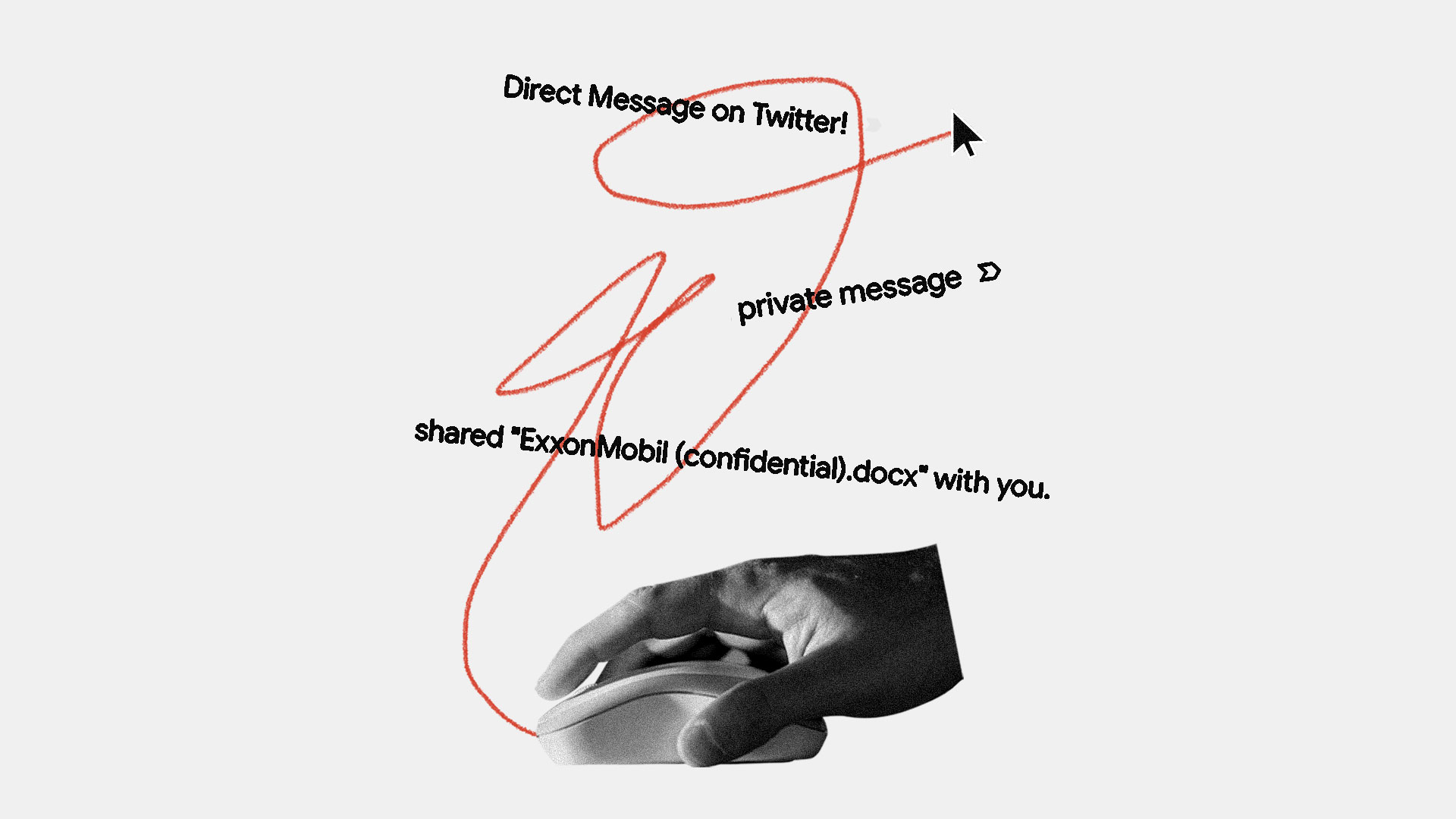
A decade after climate activists' emails were breached, a court case is shedding new light on who allegedly orchestrated the hacking.
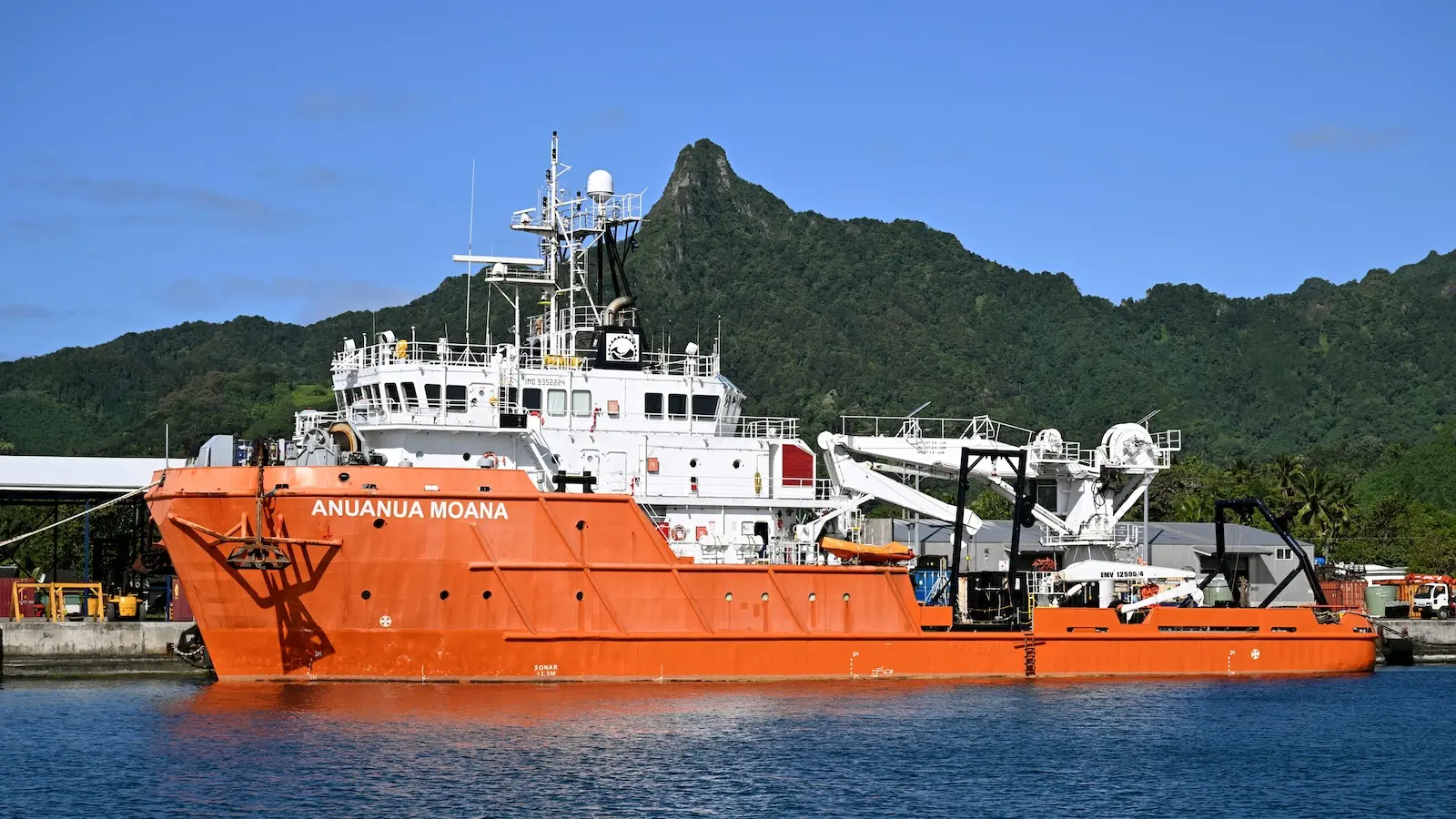
Last summer, at the United Nations World Oceanʻs Conference, French Polynesia established the world’s largest contiguous marine protected area, reinforcing its 2022 ban on seabed mining. “The deep sea is not for sale, ” France’s president, Emmanuel Macron, said at the time.
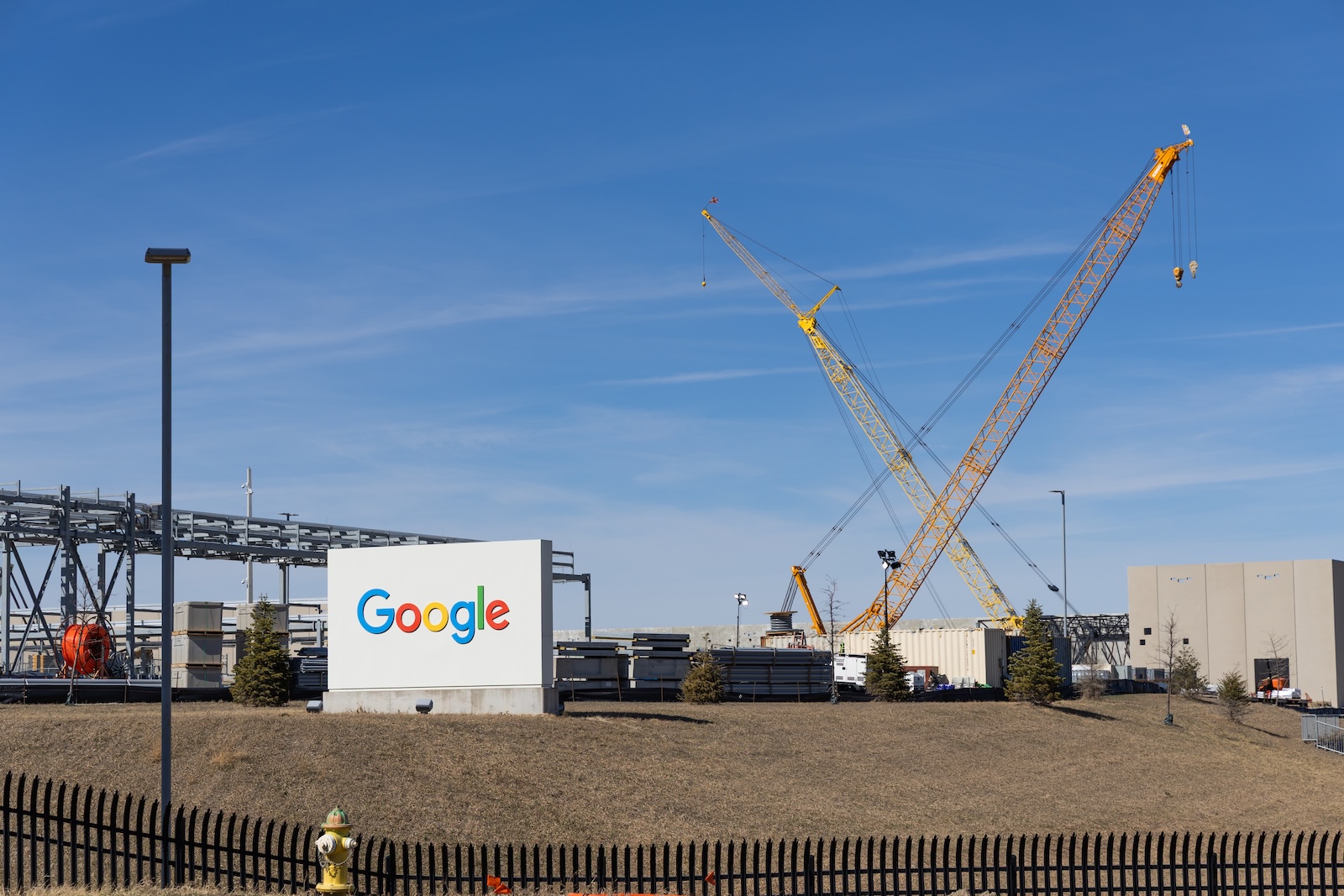
The industry can be a black box of information. But as the state deals with persistent drought, residents and regulators want more answers.
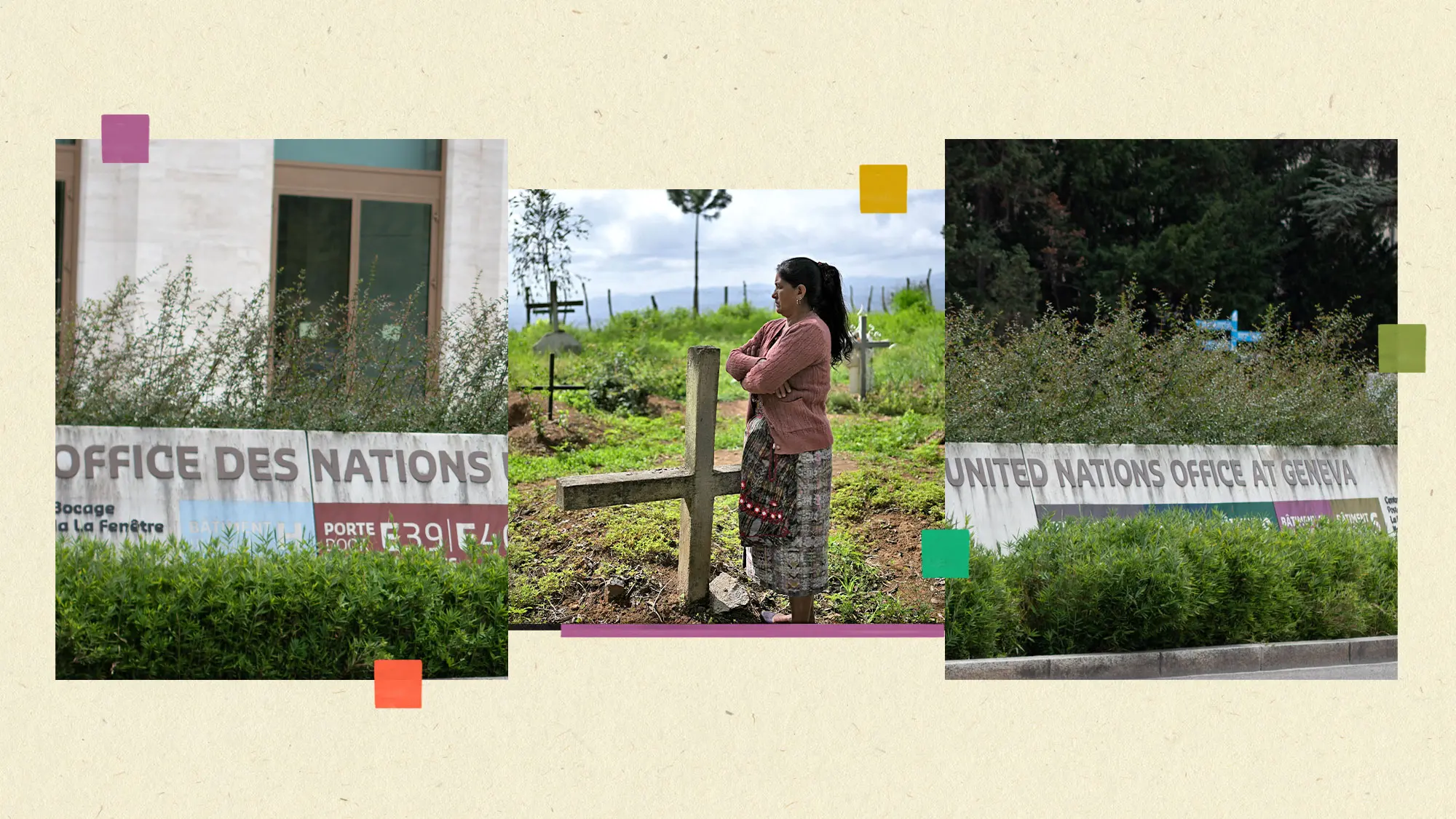
This story is published through the Indigenous News Alliance. Guatemala’s 36-year civil war led to the killing of around 200,000 people, the destruction of hundreds of villages, and the raping of more than 100,000 women.
JULY 14. 2026
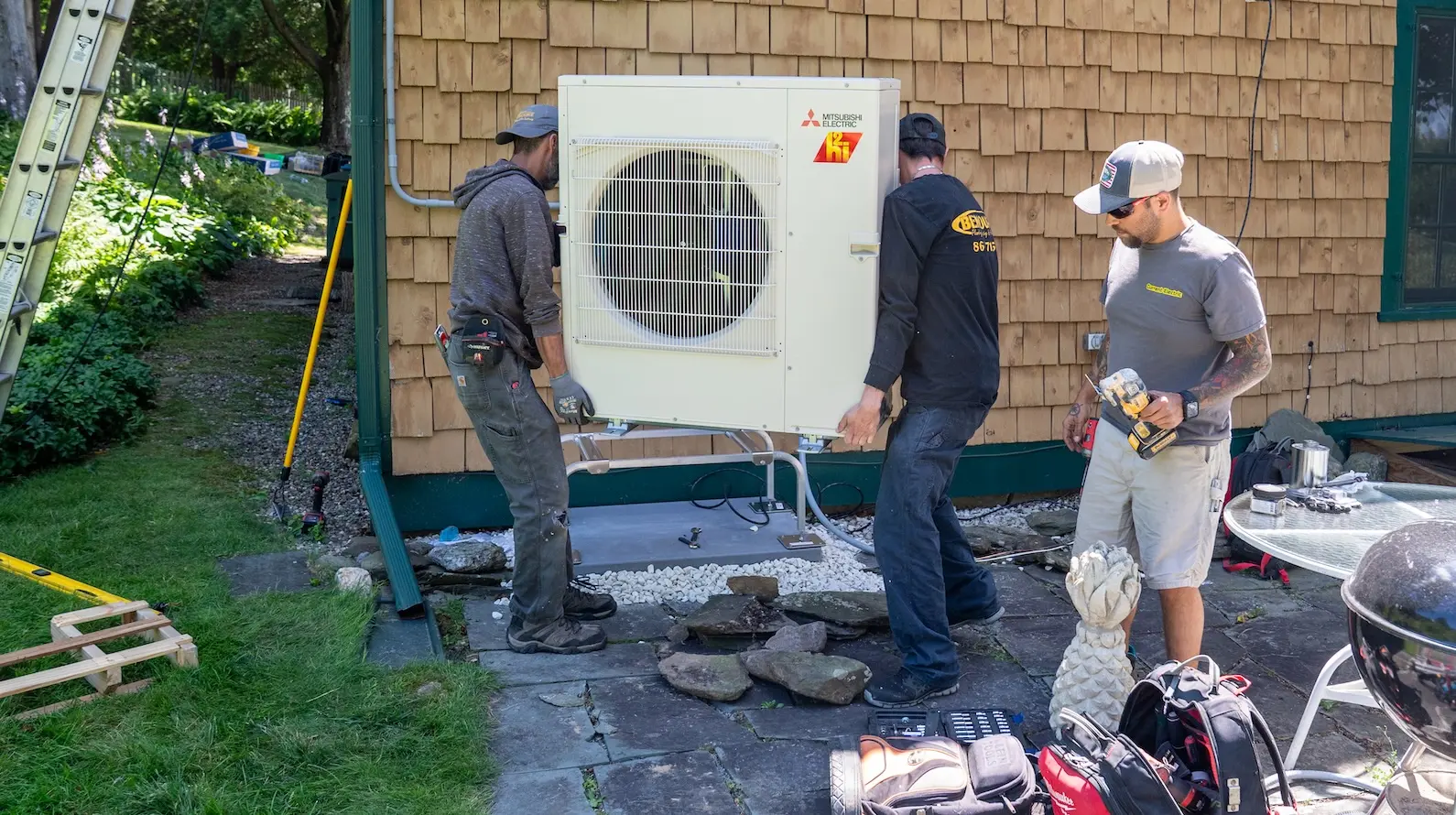
In the first quarter of this year, heat pump sales beat fossil fuel furnaces by 32 percent. Here's what makes the appliance so powerful.
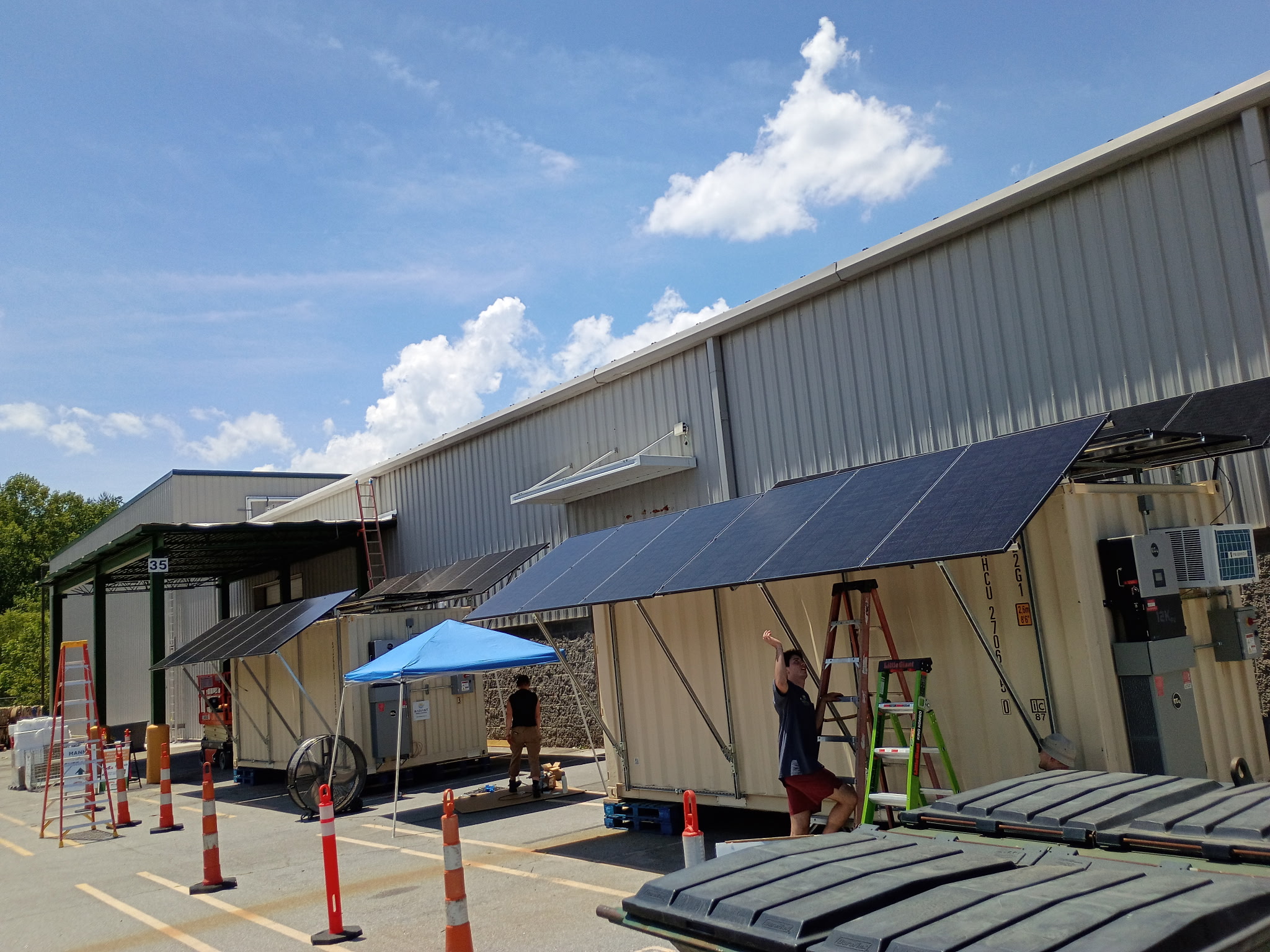
Small-scale solar microgrids for Appalachian communities could help keep communities warm and fed during future blackouts.
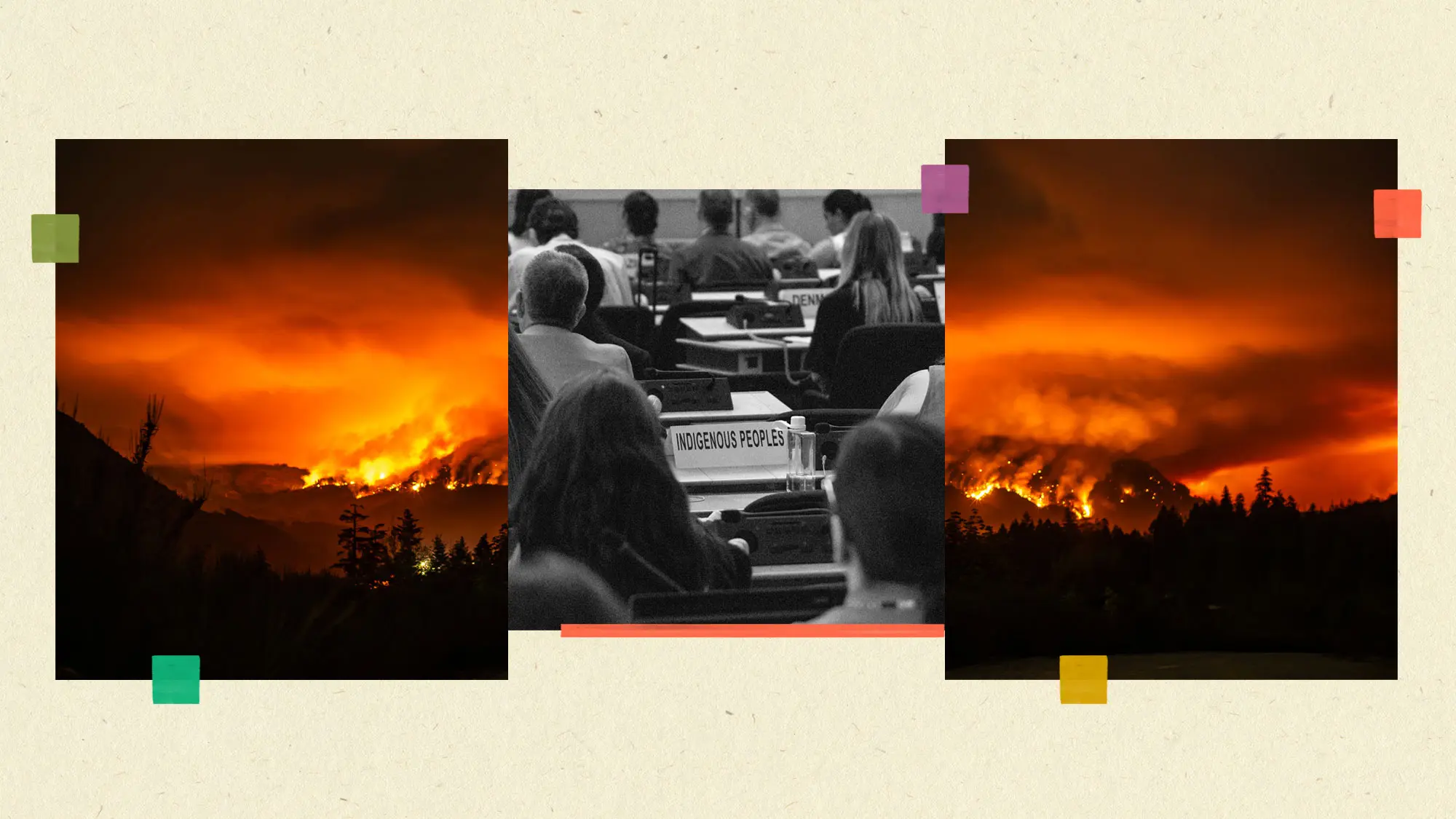
Most emergency alerts are not provided in languages spoken by Indigenous peoples, placing them at greater risk during a crisis.