E360
AUGUST 20. 2026
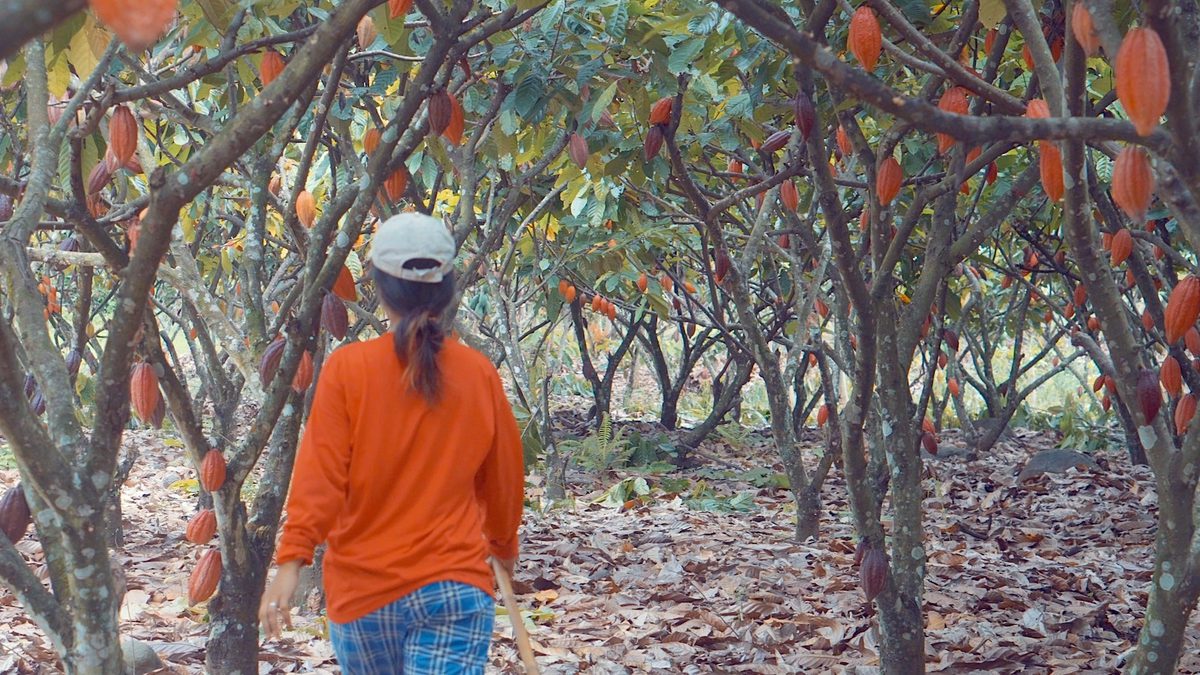
In “Chocolates Melting Away” — the First-Place Winner of the 2026 Yale Environment 360 Film Contest — Breech Asher Harani explores how cacao growers in the Philippines are developing new techniques to protect their crops from increasingly harsh conditions.
AUGUST 13. 2026
In “Here There Was Cerrado” — the Second-Place Winner of the 2026 Yale Environment 360 Film Contest — Natascha Otoya shows how industrial farms are plowing up the Brazilian savanna, changing the flow of water, and skewing human memory of the landscape.
AUGUST 6. 2026
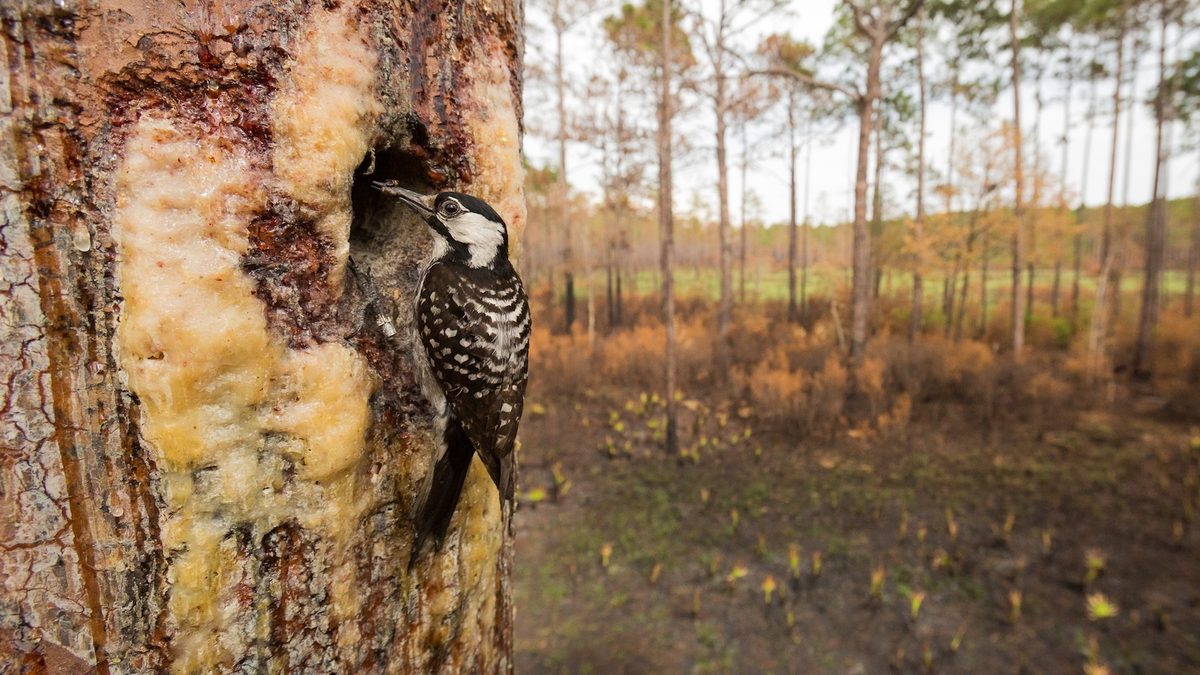
For 50 years, the Endangered Species Act has defined "harm" as not just injury to individuals but to the habitat on which they depend. By narrowing that definition, the Trump administration is leaving hundreds of species at risk of extinction.
AUGUST 5. 2026
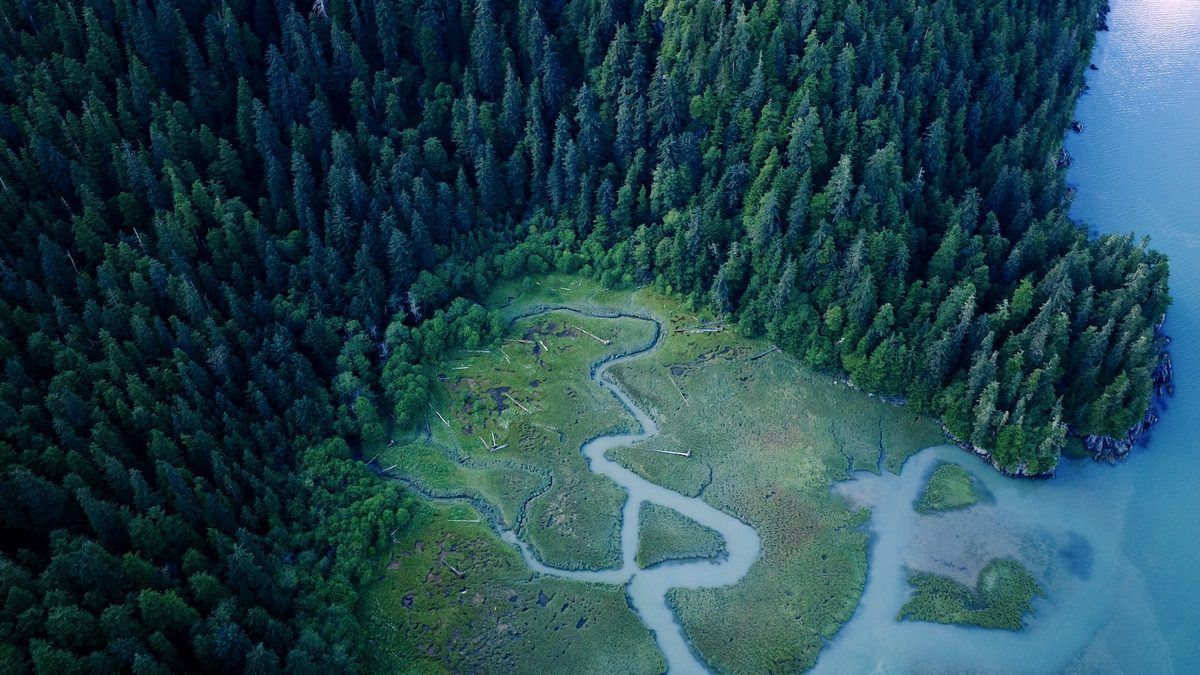
In "Land Less" — the Third-Place Winner of the 2026 Yale Environment 360 Film Contest — filmmaker Alexi Liotti follows the activists fighting a bill that would transfer thousands of acres of Alaskan rainforest to five Native corporations, opening the land to logging.
JULY 30. 2026
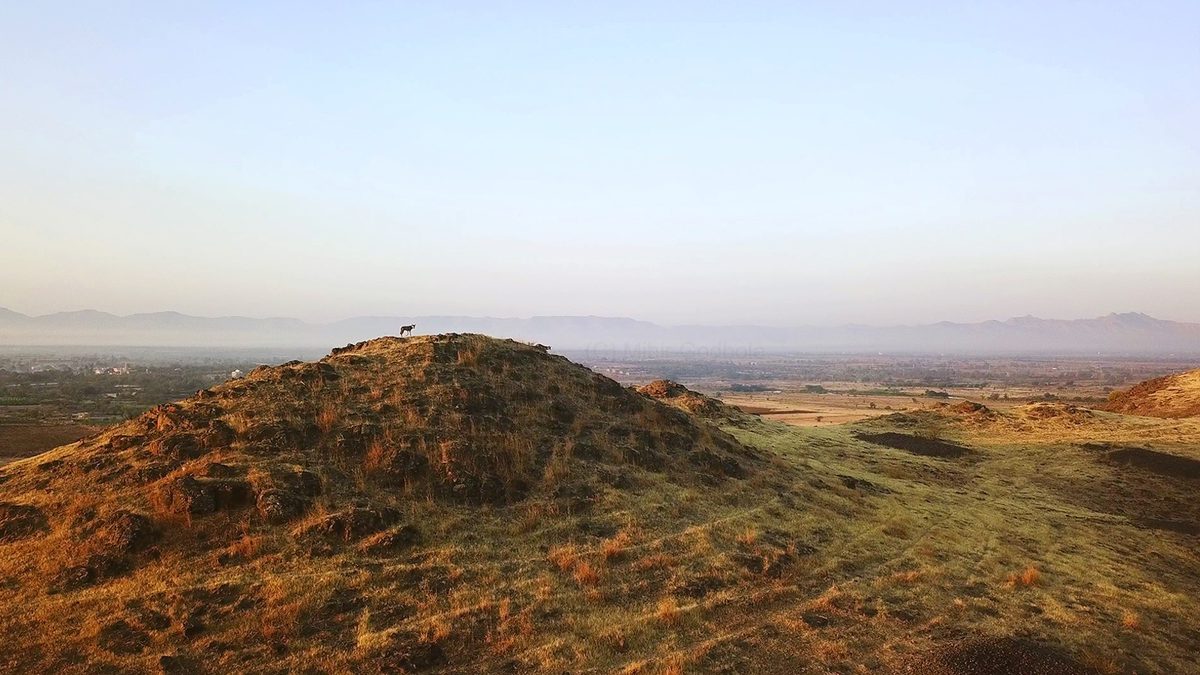
Since the colonial era, India has regarded its native scrublands and savannas as little more than degraded forest. Now, amid a growing recognition of rangelands globally, officials are working to map the nation's ailing grasslands, with a view to restoring these vital ecosystems.
JULY 23. 2026
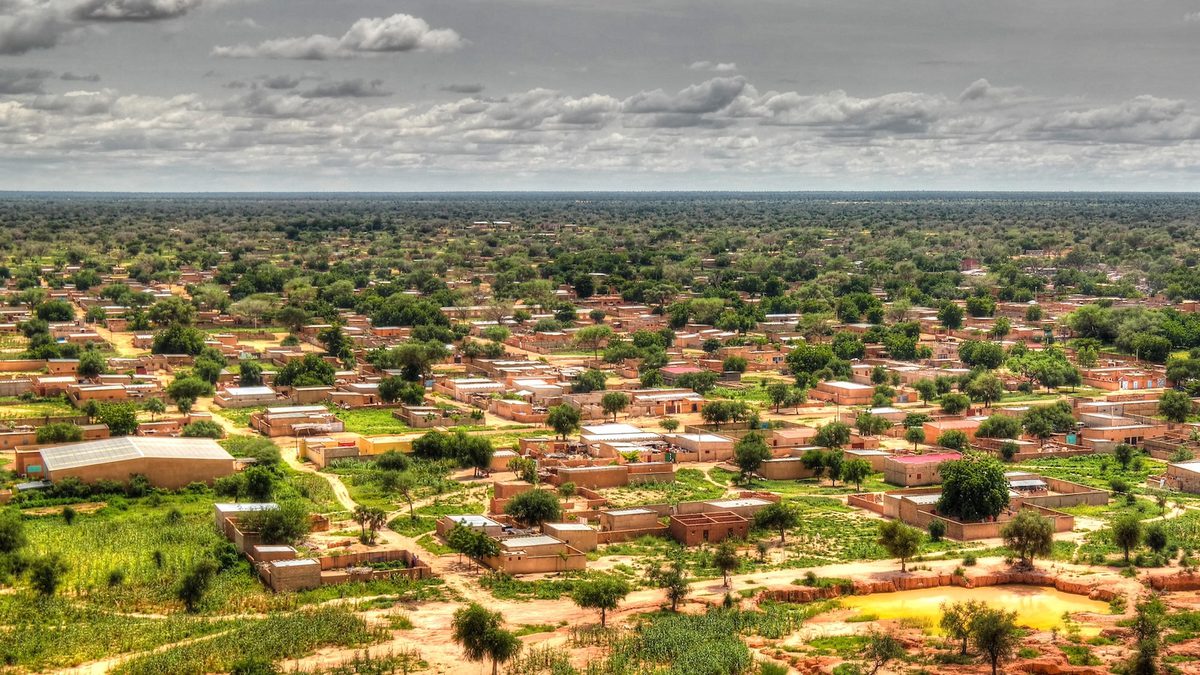
Warming has brought extreme rainfall to the parched Sahel, which is seeing aquifers refill as monsoons grow stronger. But heavier downpours alone cannot explain the water revival, say hydrologists, who believe efforts to harvest rain, along with tree-planting projects, may be paying dividends.
JULY 16. 2026
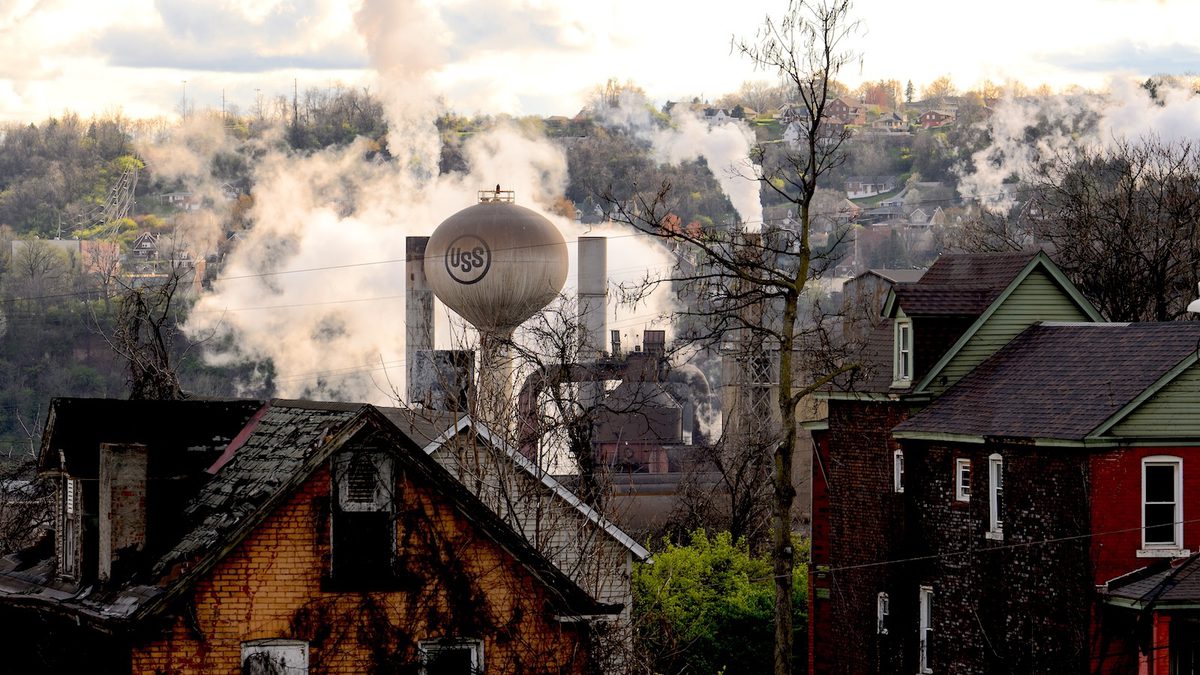
A Japanese steel giant has pledged billions in new investment in Pennsylvania’s Monongahela River Valley, raising hopes that it would clean up pollution from its steel mills in the region. But documents show that its plans to ramp up production will worsen local air quality.
JULY 8. 2026
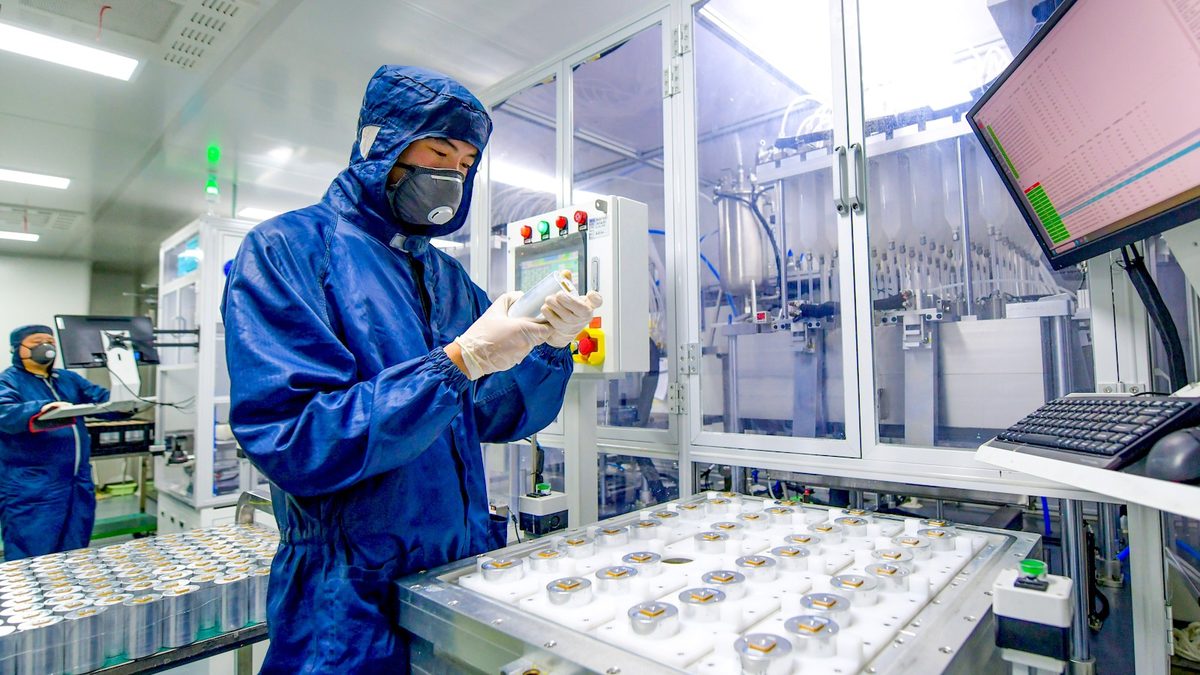
As EV sales boom and grids seek more energy storage, researchers are racing to develop batteries that are cheaper, more powerful, and less reliant on hard-to-source materials. Lithium-ion still dominates, but sodium-ion and solid-state technologies are moving from lab to market.
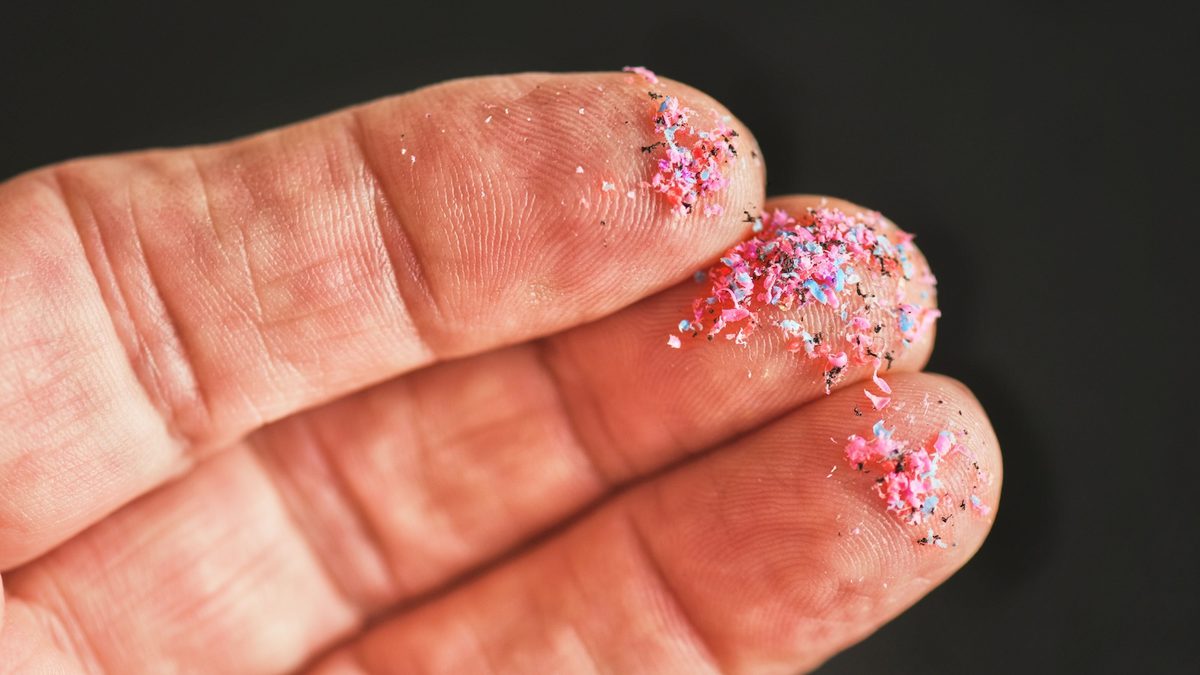
Pervasive plastic contamination and flawed analytical techniques have clouded the science on microplastics in the human body. In an interview, Australian scientist Cassandra Rauert, who built a plastic-free lab to study human exposure, explores the challenges for researchers.
JULY 1. 2026
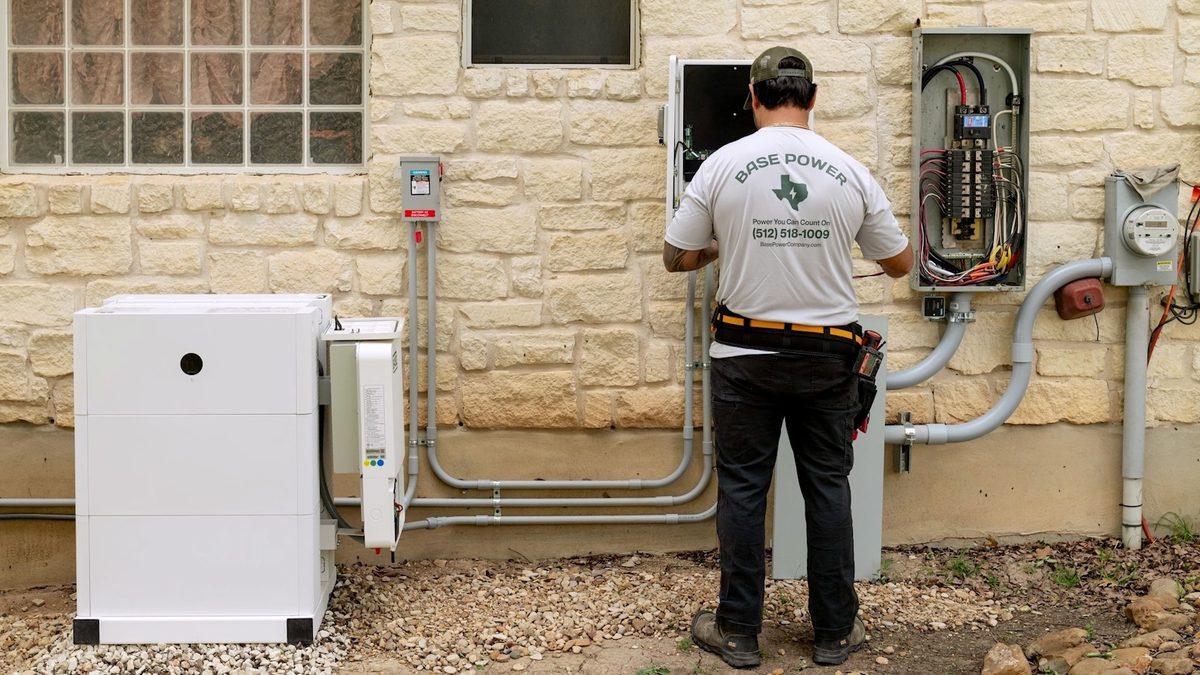
As residential batteries have become more energy dense, cheaper, and smaller, more households are storing their excess solar power. Now, utilities and energy companies in dozens of countries are buying up those electrons, bundling them together, and using them to balance the grid.
JUNE 25. 2026
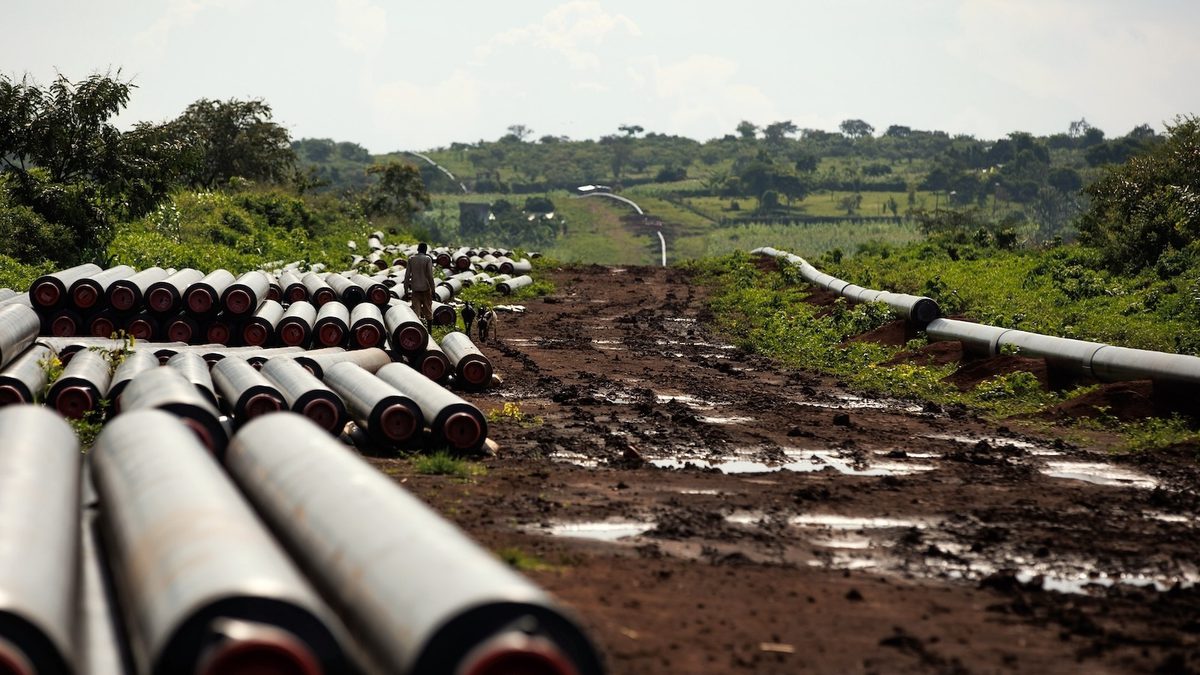
Despite years of opposition, a 900-mile crude oil pipeline through East Africa is about to be completed, and its environmental and social risks are coming into focus. Campaigners in Uganda and abroad are making a final push to halt the project before the oil starts to flow.
JUNE 17. 2026
Rising temperatures are set to drive up emissions from wildfires, fermenting wetlands, and melting permafrost, but these “feedback loops” are poorly captured in climate models. Scientists are racing to make sense of these emissions to gauge how much warming may lie ahead.
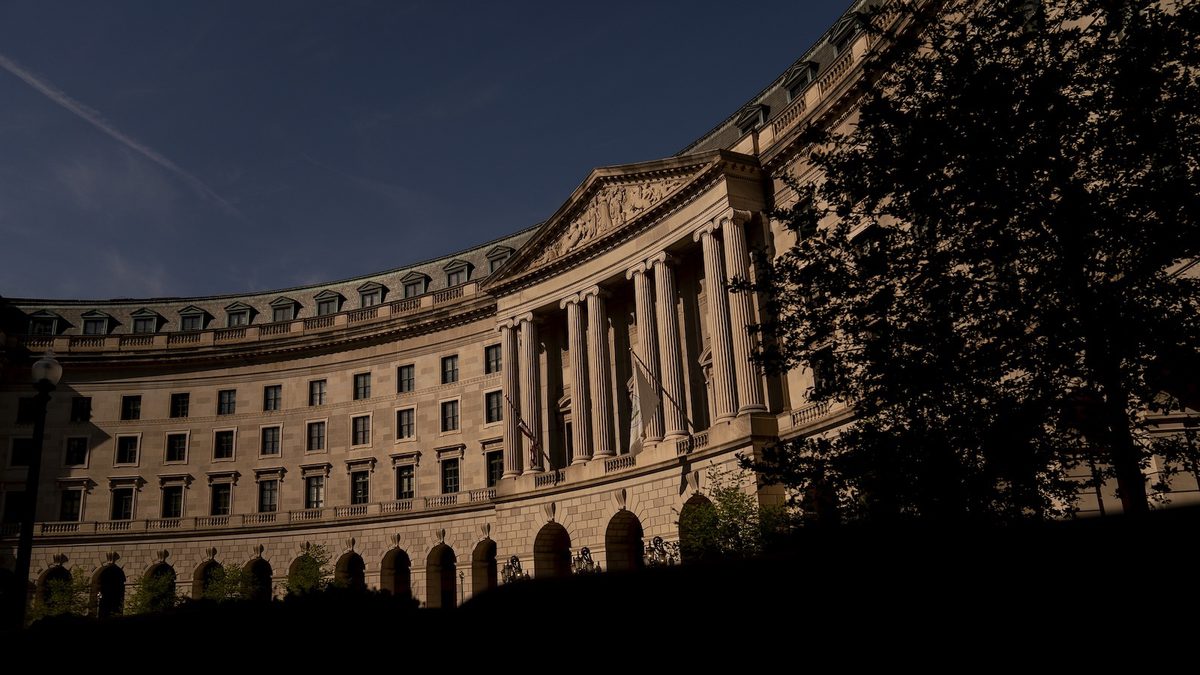
In January 2025, the Trump administration began shutting down projects within the EPA’s independent science division that touched on climate change and environmental justice. Air quality researcher Thomas Luben, who had worked at the agency for 18 years, was fired for objecting.
JUNE 11. 2026
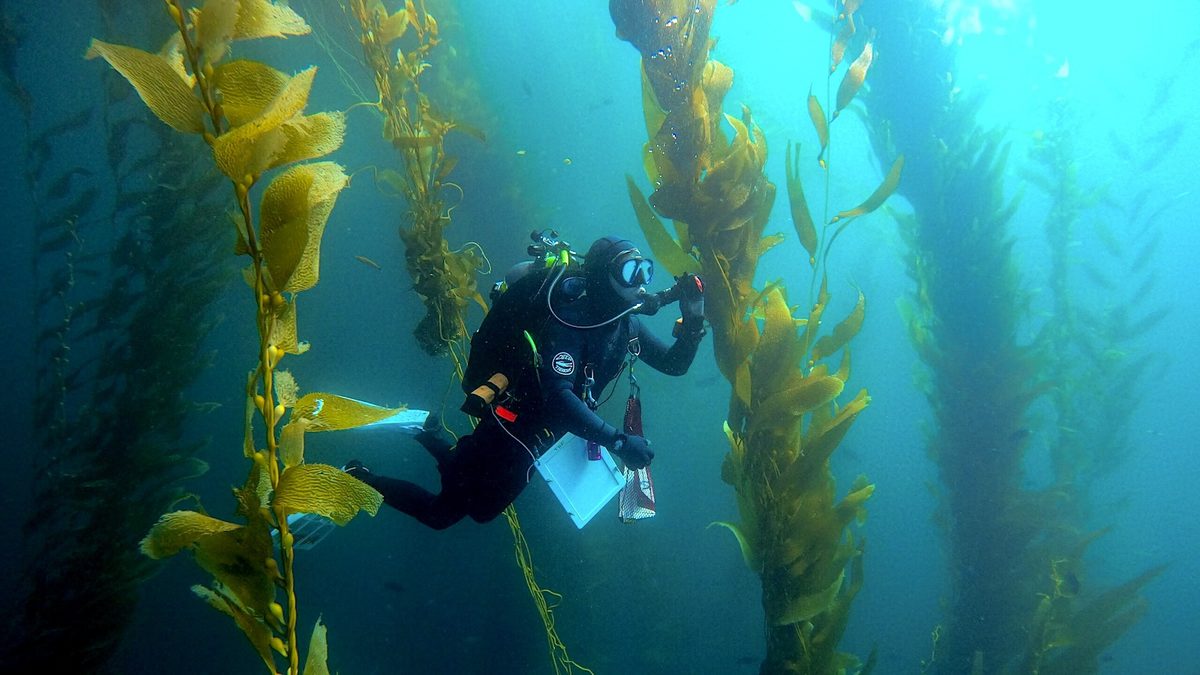
At one time, kelp forests — which shelter fish, slow erosion, and sequester carbon — grew along a third of the world’s coastlines. Now, scientists are working to bolster heat-stressed kelp by attacking the urchins that prey on them and transplanting hardier kelp varieties.