MAY 27. 2026

At the same time, the White House is optimistic that a deal to end the war is in reach.

He also said NATO allies should “take their part” in the Iran war.
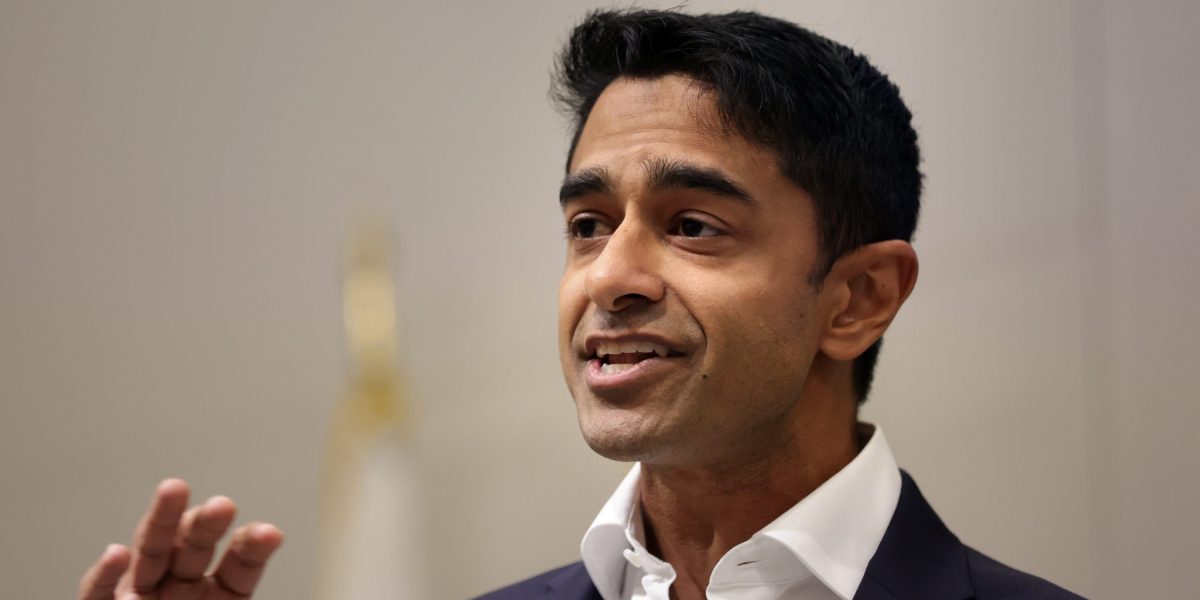
The former AOC staffer is known for provoking the political establishment. Sunrise argues he’s needed in Congress to take on Trump.

Repairing Trump’s damage to bilateral ties will require more than a charm offensive.

A Xi visit to Pyongyang is likely soon, after a seven-year gap.
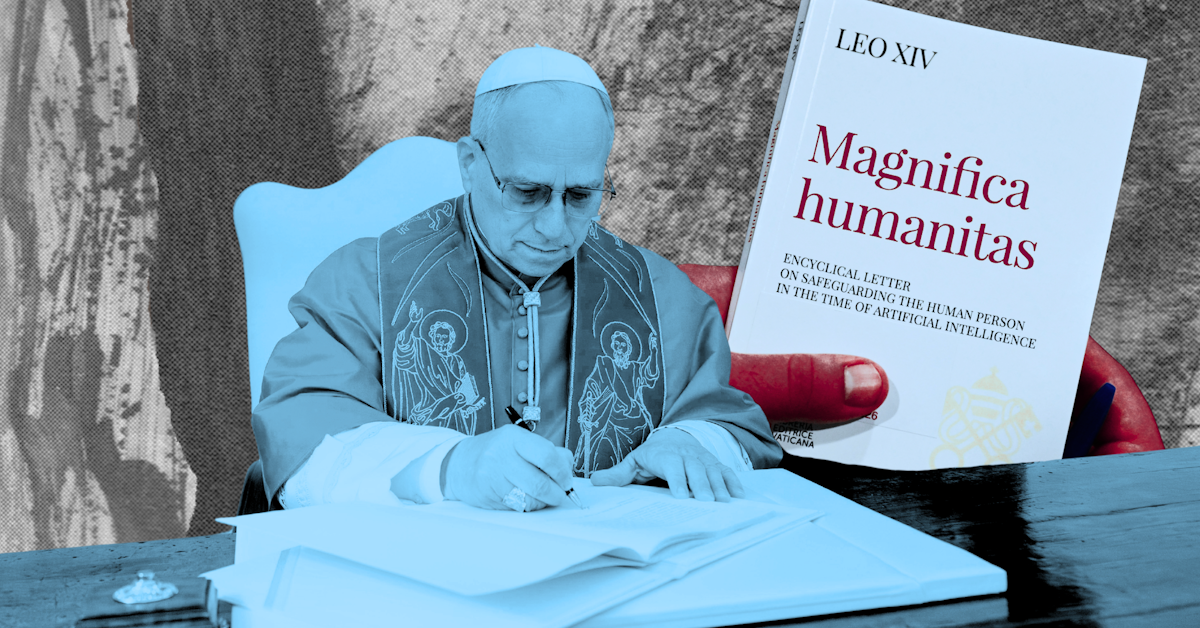
His “Magnifica Humanitas” encyclical calls AI innovation to account.
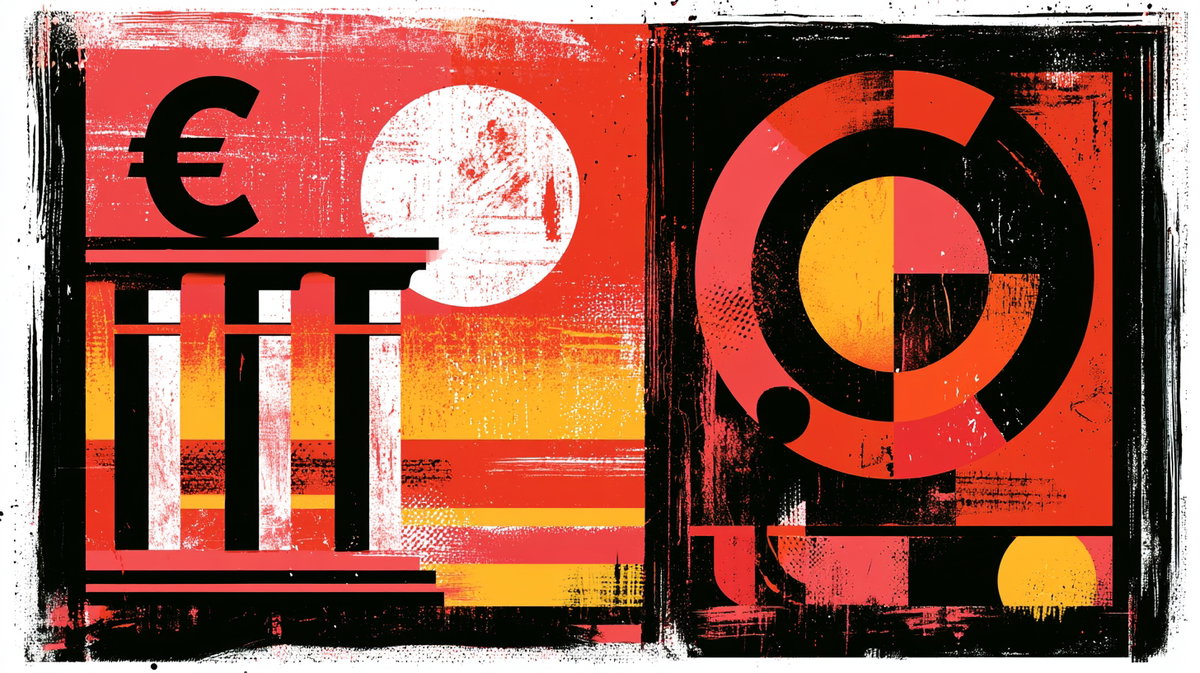
Austerity packages reduce approval, drive protests, and raise the odds of a government crisis — especially in downturns.

A new group is trying to create what its predecessors could not: an effective democratic force for Iran.

A conversation about finding community in the aquatic

Despite rising terror attacks in Somalia, Trump counter-terror czar Sebastian Gorka is taking a victory lap.

A ProPublica investigation found that scores of children were hurt by these chemicals during President Donald Trump’s immigration crackdown. Lawmakers say the findings show more restrictions are needed.

The Vatican has made a frontal challenge to the Trump administration’s approach to technology.

Will chemical recycling revolutionize the fashion industry, or is it just “an excuse to keep producing plastic clothes”?
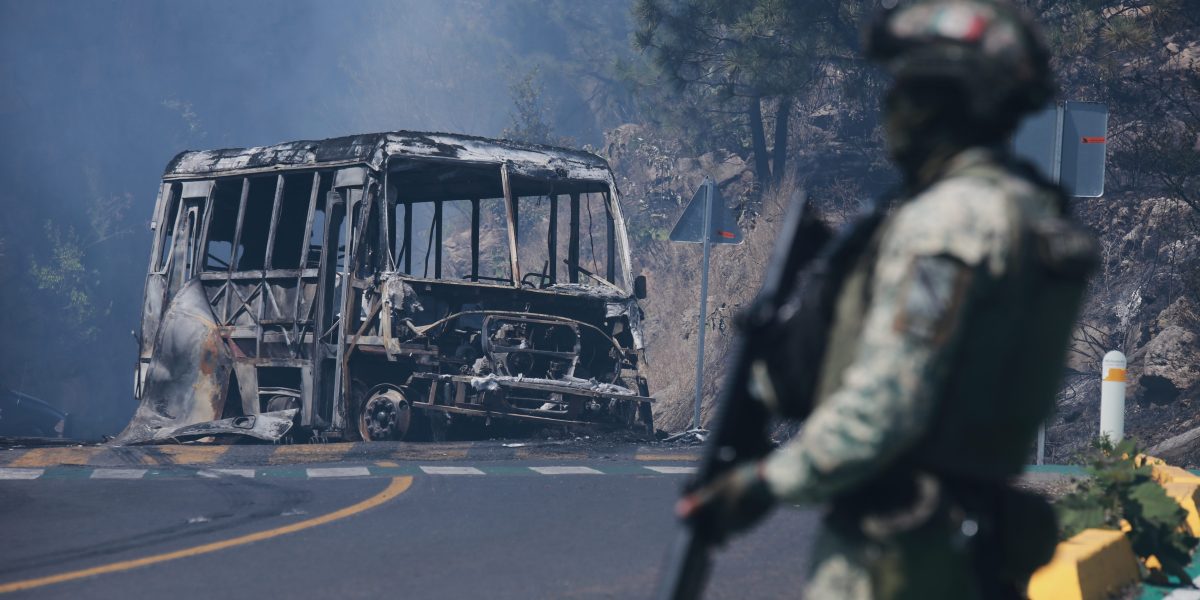
The Trump administration’s aggression in the Americas has resulted in cartels fragmenting and embracing new strategies.
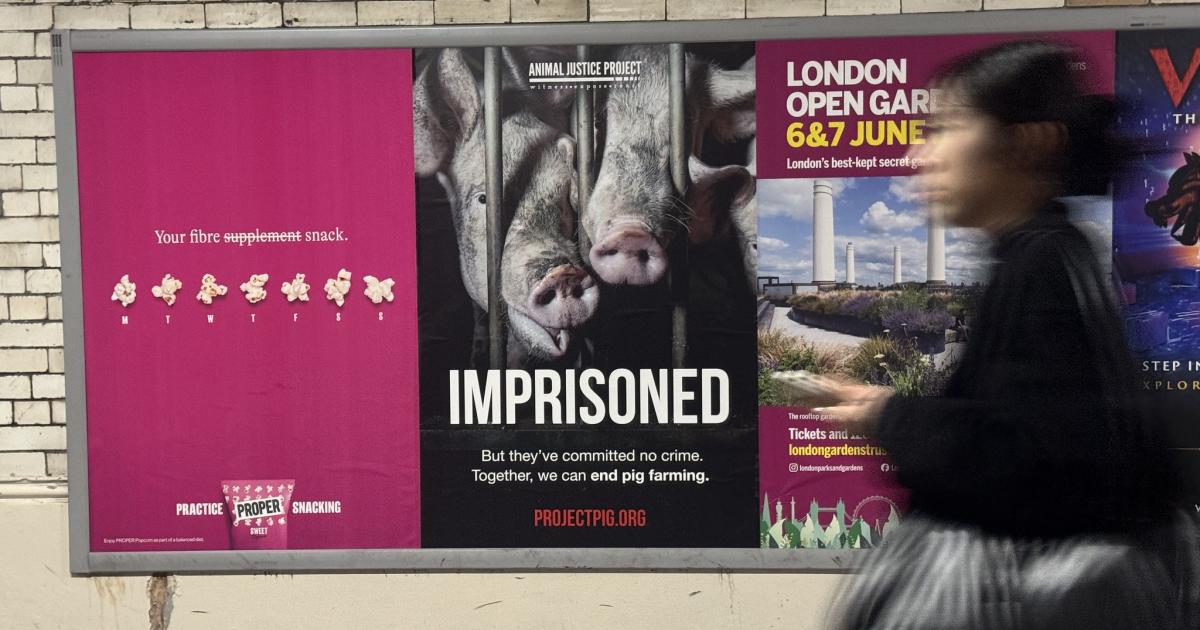
Three million commuters have seen hard-hitting “project pig” adverts displayed across 19 central London stations by Animal Justice Project.

A messy rollout looks set to disrupt global commodity markets.

Just 52% of the UK population voted to leave the EU in 2016. Nine years later, only 31% thought it was the right decision, according to a YouGov surve

While online dating is one of the most popular ways to find your other half, many describe the experience as endless swiping, repetitive conversations
MAY 26. 2026

The pause of a $14 billion arms package raises concerns about U. S. support for Taipei.

Still, Washington insists that it is committed to peace talks with Tehran.