MAY 1. 2026

Even the most entertaining tale carries a political message.

The Iran war is choking supply of the world’s most expensive spice.

A new book explores the geopolitical scheming that created the blood countess legend.

A new horror film reckons with the country’s buried sins—and the women erased by them.

Plus, more international fiction releases in May.

Israeli leaders seem increasingly comfortable with the collapse of the Palestinian Authority.

In his lawsuit against OpenAI, Elon Musk evoked a “Terminator” scenario. He said nothing about the people AI is already killing.

Xi’s new commanders are the men his last generals blocked.

He hoped it would be transformational; instead, it’s just one more round in the conflict.

Embracing the relentless ally of reality makes all the difference.

The geopolitical realignment goes much deeper than just oil markets.

The country is trying to push for a green transition despite gridlock at U. N. climate talks.

The English department I hoped to join had two tenure-track jobs going that year, and one of them looked straightforward enough. They needed a

The Section 301 case outlined by U. S. trade officials is neither coherent nor defensible.

From dismantling guardrails that upheld the integrity of past elections to gutting federal agencies and installing allies who supported Trump’s claim that the 2020 vote was stolen, here are the key takeaways from our recent investigation.

Rep. Jamie Raskin responds to his Dana Bash interview, plus journalist Mike Rothschild on the world of political conspiracies.

Experts warned that the massive diversion of FBI staff could put national security at risk for the sake of immigration enforcement.
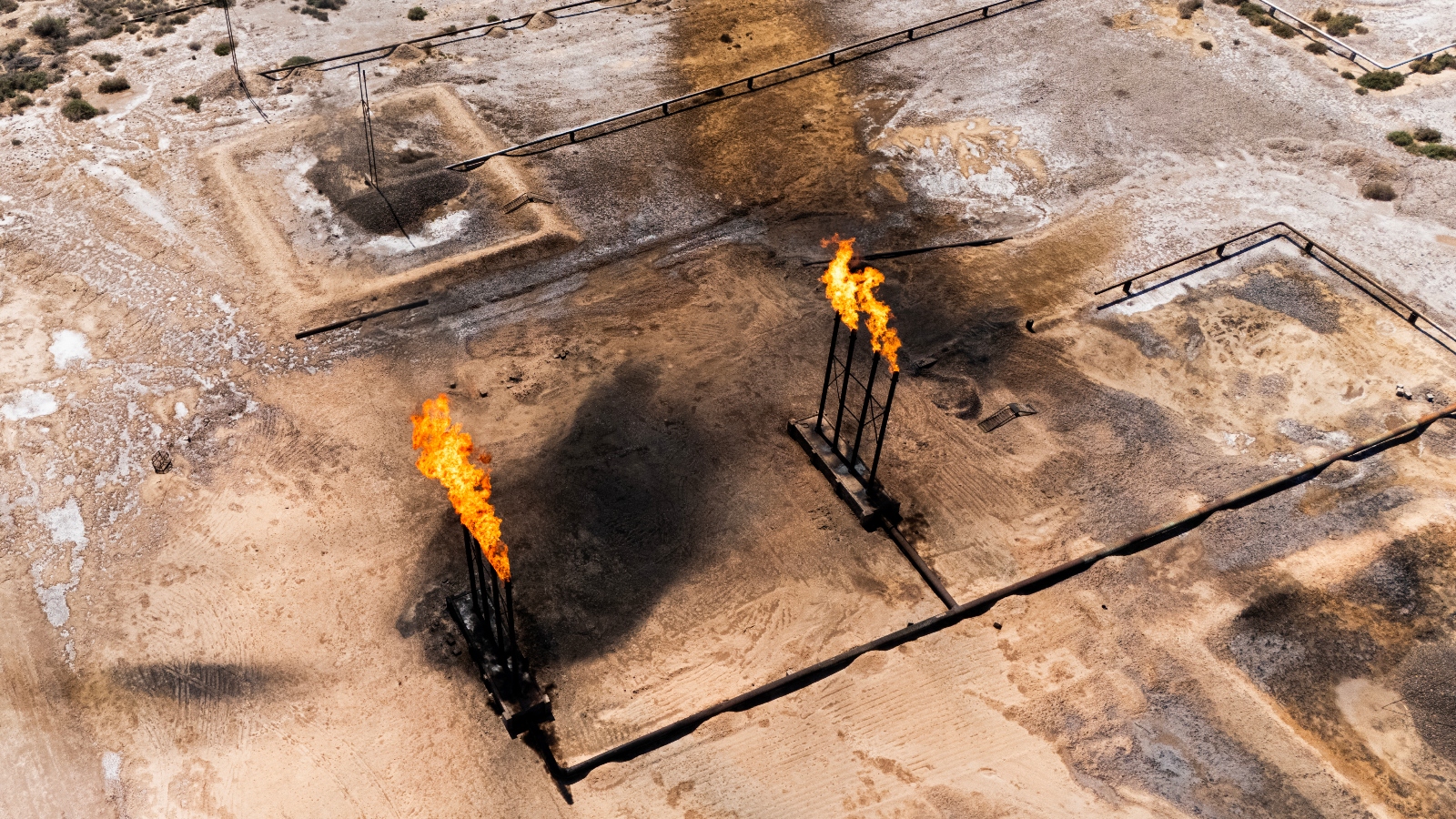
The conflict may be the beginning of the end of fossil fuel dominance.
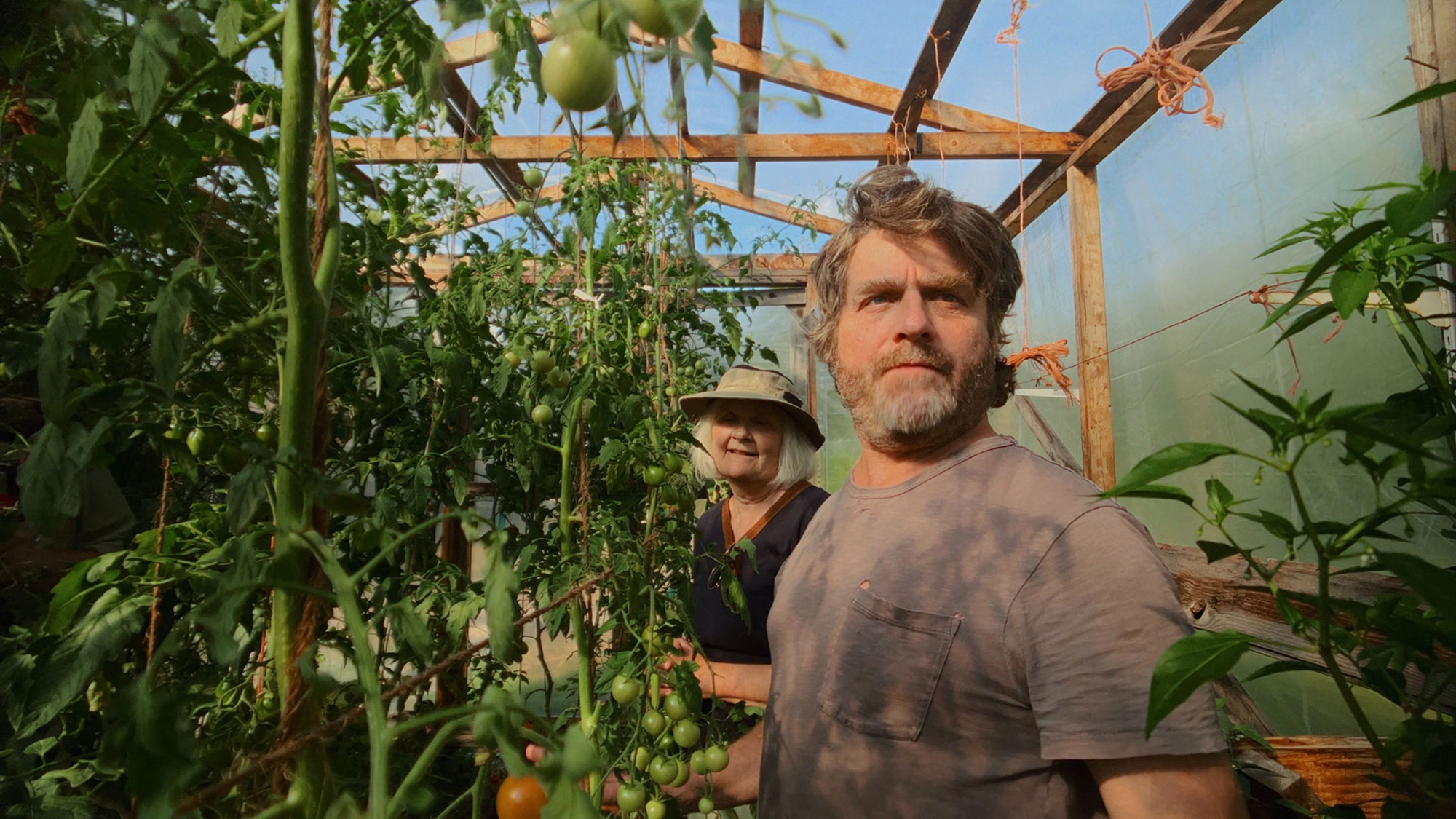
Take it from the comedian and actor: “We should all know how to garden. It’s a better hobby than jetskiing. ”
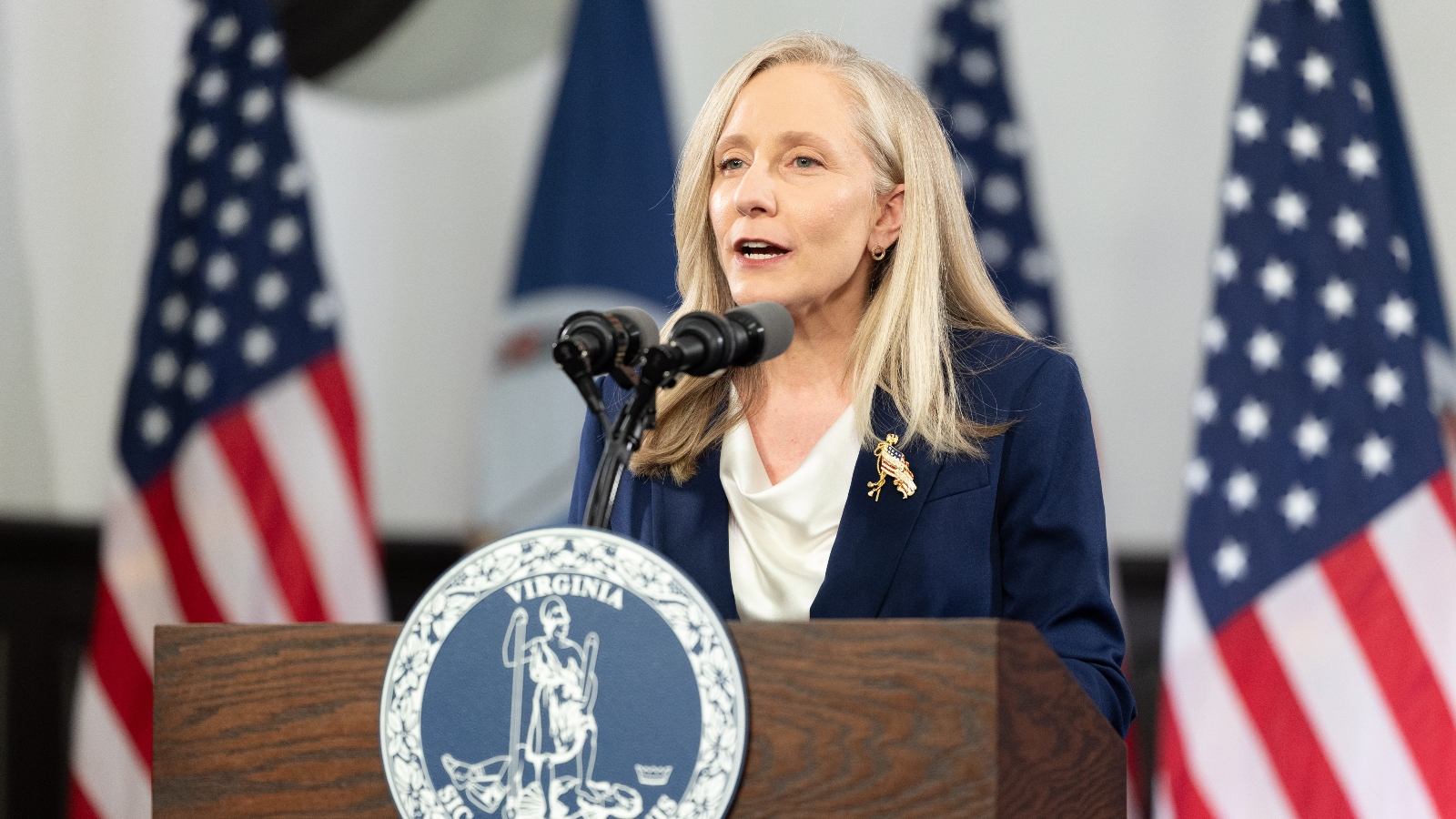
The state is straining to cope with electricity demand from data centers. Governor Abigail Spanberger thinks rejoining RGGI will help.