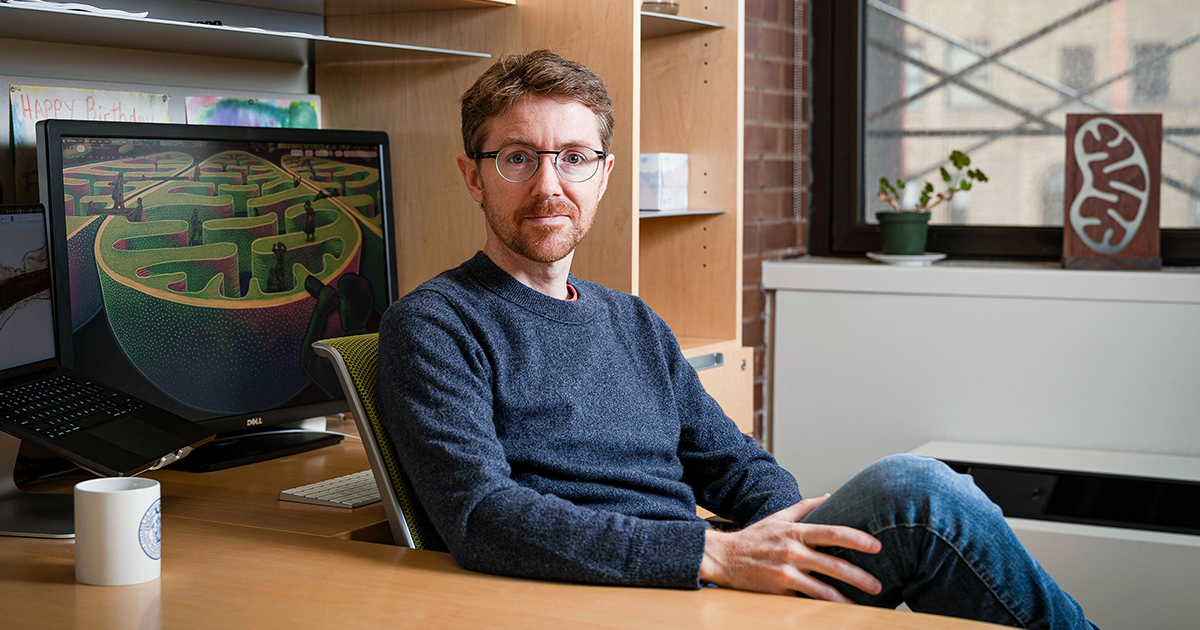
The biologist’s bold “energetic view of life” looks to the body’s strangest organelles as the link between cells, health, and mind and the foundation of our experience of being alive.
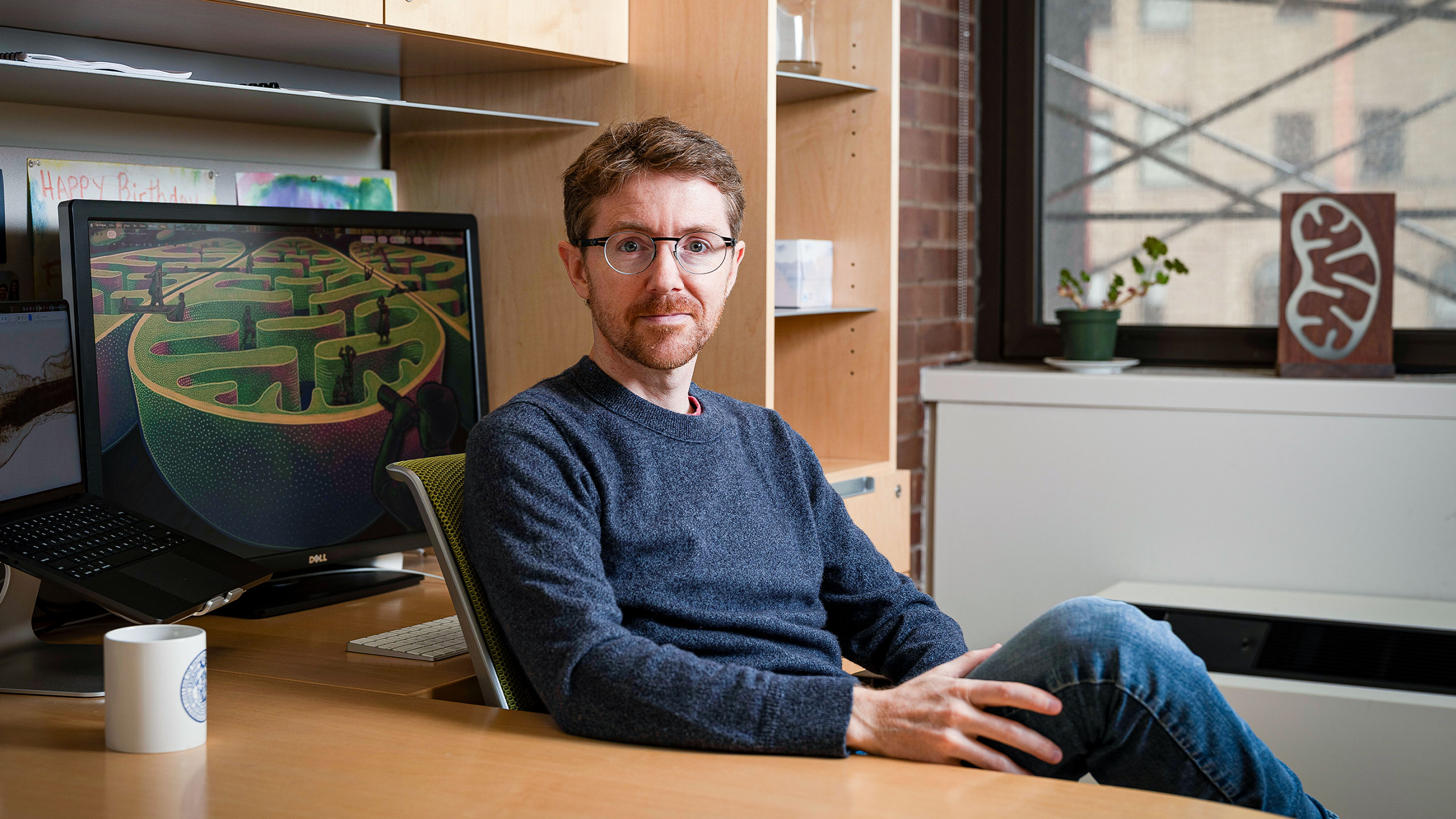
Martin Picard, director of the Mitochondrial Psychobiology Lab at Columbia University Irving Medical Center, has placed the energetic organelles at the center of his model for health and consciousness.
Sasha Maslov for Quanta Magazine
Introduction
It was 9 a.m. on a Thursday, and Martin Picard was watching his blood flow from an IV in his arm through a hole in the wall. He was sitting on a twin bed in a claustrophobic chamber less than a shoulder’s width from a stainless steel sink and porcelain toilet. Every hour over 24 hours, including while he slept, a nurse channeled blood from his arm to a research team next door; at each time point, if he was awake, he also provided a saliva sample and filled out a survey about his mood.
The room looked like a cell, or perhaps a very cramped hotel room, but in fact it was a metabolic research chamber, one of only 50 of its kind in the world. Its conspicuously small size prevented Picard from burning extra energy beyond the bare minimum needed to keep him alive. Napping during the day was prohibited, as was eating anything but the strictly scheduled meals tailored to his caloric needs. Bedtime was at 11 p.m. sharp. Before lights-out, Picard put on a device to monitor his vitals and brain activity while he slept.
Though there wasn’t much to do — mostly he sat in bed reading or working on his laptop — excitement was the primary emotion Picard felt that day in July 2021. That’s because he was the first volunteer in an experiment run by the Mitochondrial Psychobiology Lab, which he directs at Columbia University Irving Medical Center in New York. By studying how much energy is required to sustain baseline existence, his lab aims to explore what he considers an overlooked factor in health and disease, from the level of molecules all the way up to the mind: mitochondria.
Most middle school students learn that mitochondria are the powerhouses of the cell. These organelles make adenosine triphosphate (ATP), the energy currency of life, through a cascade of chemical reactions that breaks down glucose and fat from food. But mitochondria are much more than energy factories. Studies over the past decade have shown that they process all sorts of molecules, including neurotransmitters, hormones, and metabolites, which means they directly impact what we experience as mood, stress, sexual arousal, and the need to sleep. This makes them “the consilience point for many known processes demonstrated to underlie consciousness,” Picard said.
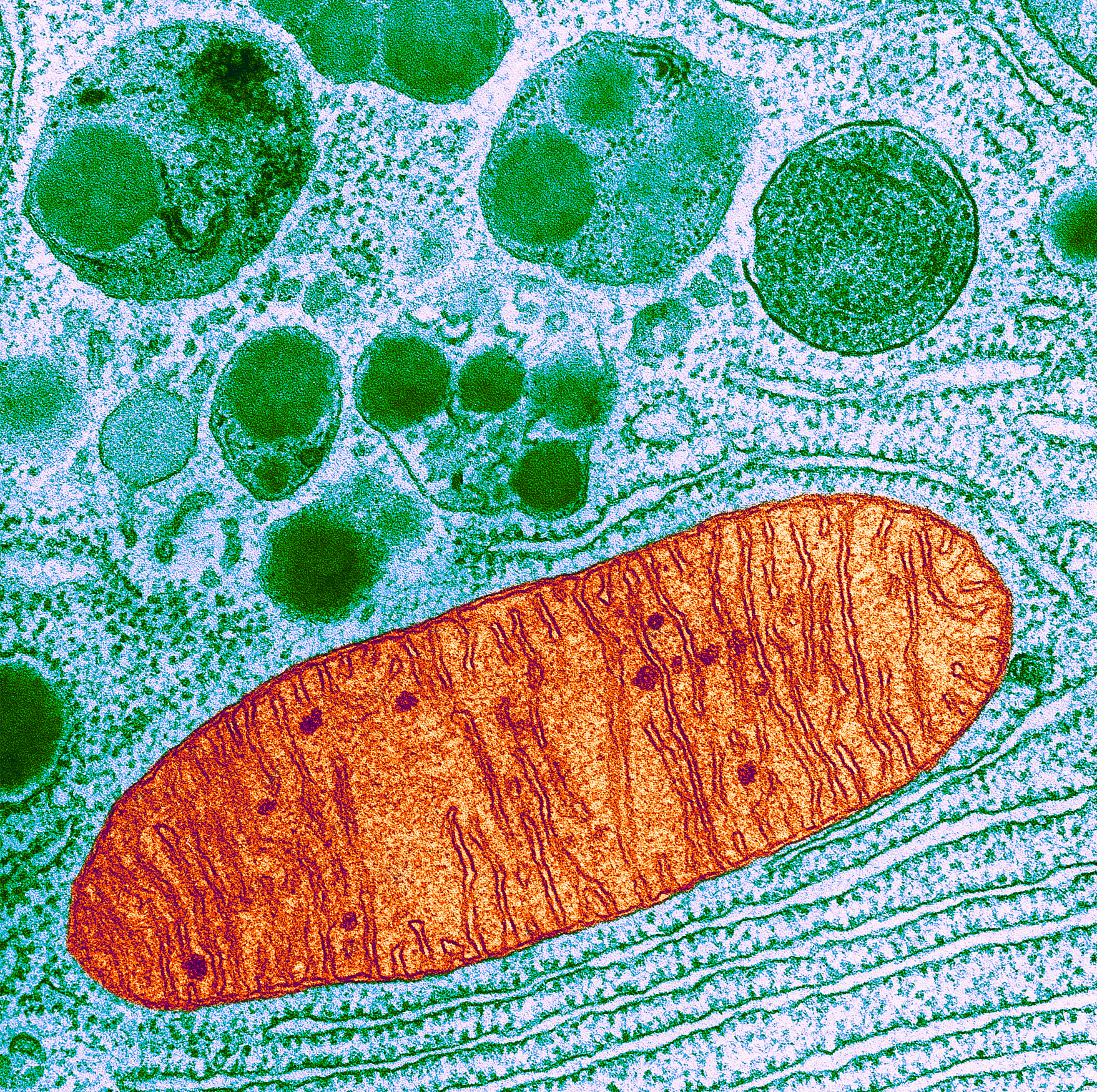
A mitochondrion (orange) contains intricately folded structures, called cristae, that maximize surface area and enhance ATP synthesis. This transmission electron micrograph was produced by passing an electron beam through an ultra-thin cell slice.
Science Photo Library
More broadly, in what he calls his “energetic view of life,” Picard posits that distinct energetic states exist for health and disease, and that mitochondria are the tiny transformers responsible for them. According to this view, the flow of electrons from food to oxygen in metabolism, as processed by mitochondria, is the most basic level of the experience of being alive.
“If the energy stops flowing, there’s no more you,” Picard said. The genome may encode the proteins that support life, but if the energy flow required for their respective regulation and production is disrupted or absent, he said, “there’s no more consciousness, there’s no more emotion, there’s no more life.”
Picard’s ideas connecting mitochondrial biology and energy to health and even consciousness are gaining momentum. But they are so new that they do not yet have a formal field of study. Picard aims to change that, and others are getting on board.
While the importance of genes and proteins should not be dismissed, mitochondria and the metabolic pathways they control “are more important than we give them credit for, and may actually have a more important instantaneous effect on the brain,” said Jon Brestoff, an immunologist at Washington University in St. Louis.
The idea that mitochondria influence what’s happening in the brain “really isn’t far-fetched at all,” he added. “Martin just brings a fresh perspective on it.”
Being Alive
Like every other animal on the planet, Picard inherited his mitochondria from his mother. She was a nurse who ran her own home care service in a French-speaking town outside Montreal. Sometimes after she picked him up from hockey practice, they would drop in on a patient or two on the way home. Some were recovering from surgery; others were quadriplegic or in palliative care. Picard began to notice that some people progressed from one sickness to the next, never fully getting better, while others bounced back from serious injuries or illnesses “almost miraculously,” he recalled. He found this deeply perplexing.
He followed this curiosity to McGill University, where he studied physiology and neuroimmunology. As he progressed through his studies, a question began to take shape in his mind: How do molecular, cellular, and bodily processes translate into feelings, behaviors, and the ability to thrive? His coursework was not providing the answers he was looking for, so he quietly began studies in holistic health on the side. He had mixed feelings about some of what he was taught, but he learned the value of a whole-person approach to wellness and began to recognize the individual nature of disease. Most of all, he said, “I learned to connect with another human being.”
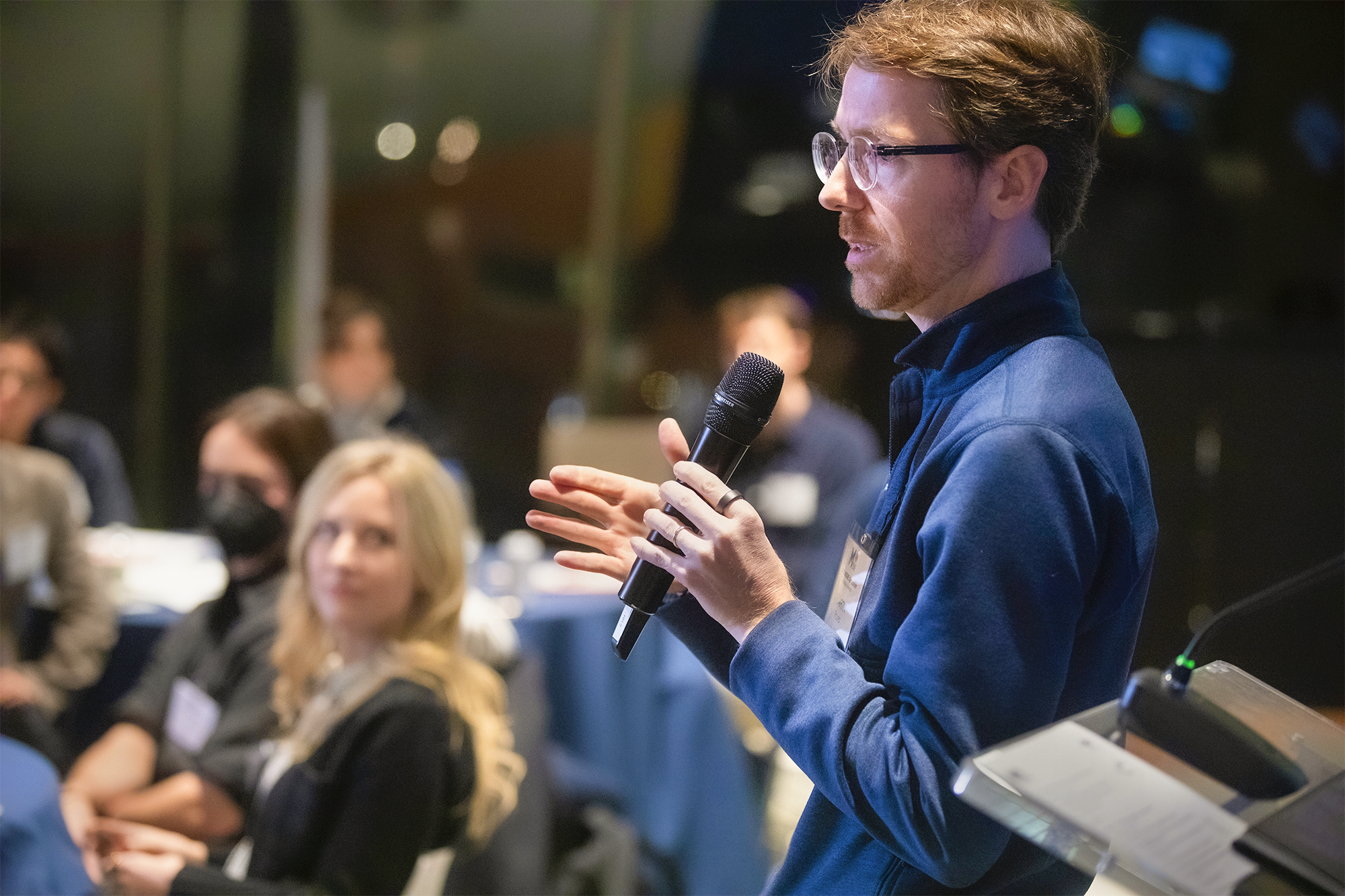
Martin Picard speaks at the Mitochondria Psychobiology, Stress, and Health Symposium, which he organized on December 12, 2025, at Columbia University.
Piotr Redlinski
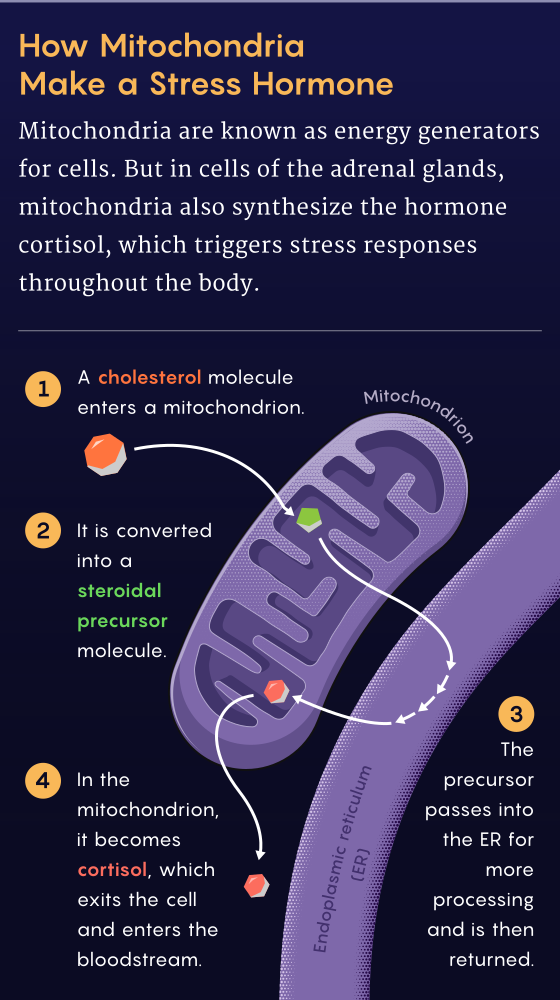
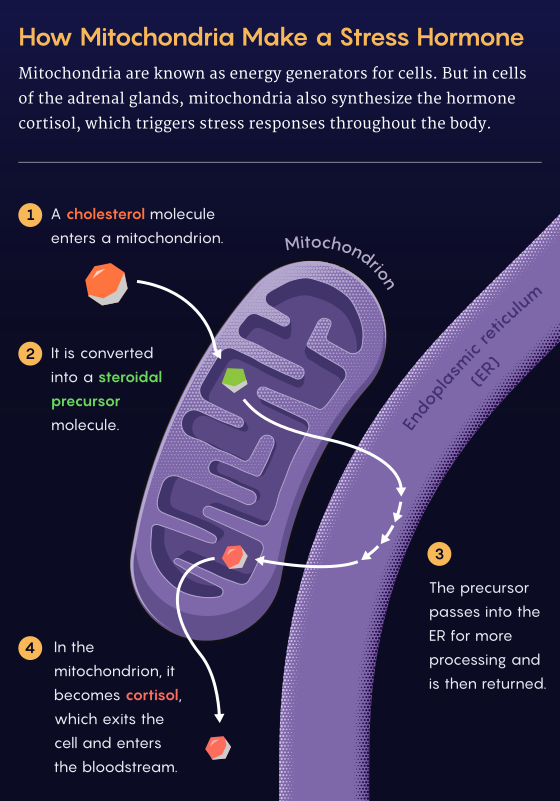
In his more formal studies, meanwhile, he kept being drawn to mitochondria. Picard learned that energy transformation, vital as it is for nearly every process in our bodies, is only part of the organelles’ repertoire. They also produce a bevy of chemical signals that influence the way we feel, behave, and function. Mitochondria supply the raw materials for creating the neurotransmitters glutamate and acetylcholine, which manage our brain, nerves, and muscles. The first step in synthesizing all steroid hormones, including cortisol, estrogen, testosterone, and progesterone, occurs in the organelles, making them key regulators of sleep, sex, and stress. They’re also highly active in signaling within and between cells: Mitochondria buffer and release calcium, which is involved in everything from muscle contraction to gene transcription, as well as reactive oxygen species, which activate immune cells and relay messages involved in cell growth. Mitochondria also play central roles in detecting and reacting to stress, and even in triggering cells to self-destruct if damage is deemed too great.
The ever-expanding list of core processes that mitochondria influence — immune activity, reproduction, metabolism, cancer growth and suppression, gut health, aging and longevity, and more — strongly suggests how mitochondrial dysfunction could relate to many different diseases and disorders. And this has set off a paradigm shift in how researchers see and understand the organelles. “This is probably one of the most exciting times to be studying mitochondria ever,” said A. Phillip West, who studies how the organelles shape immune response at the Jackson Laboratory, a nonprofit research institution in Bar Harbor, Maine. “We’ve got a lot to learn, but I think we’re really entering an amazing period.”
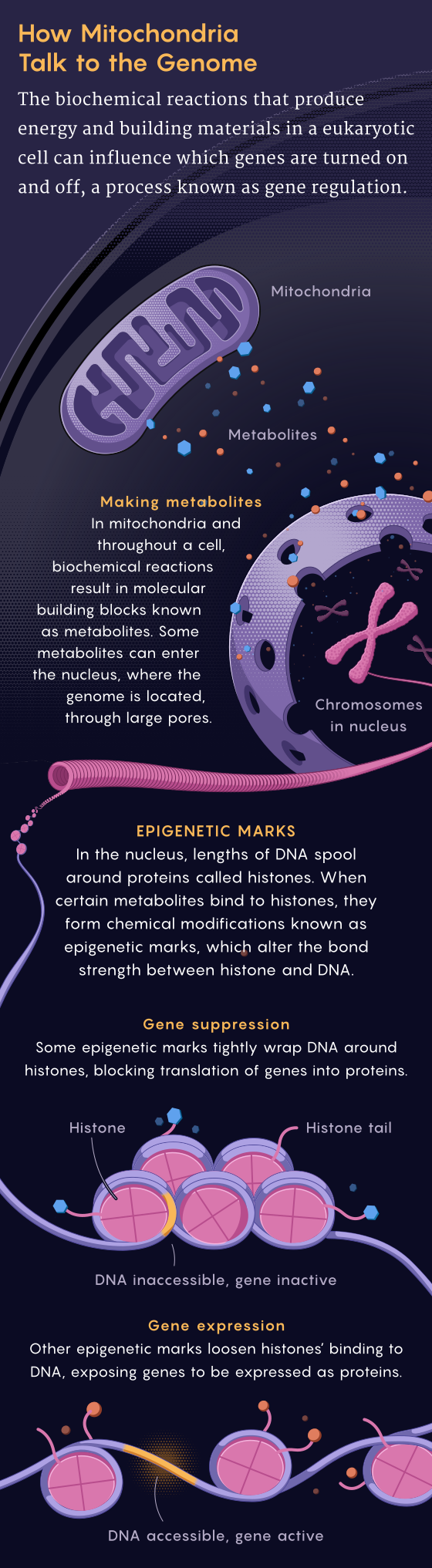
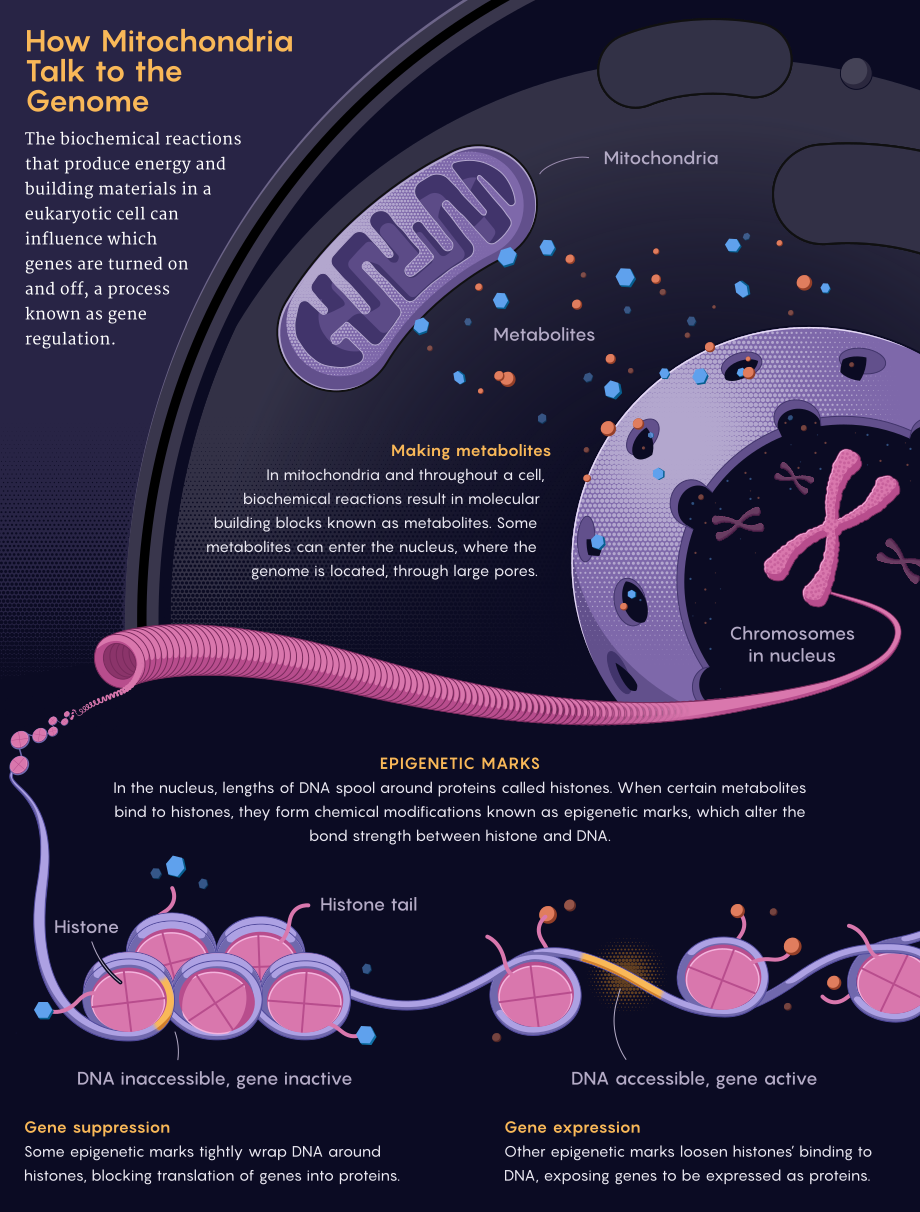
Intriguingly, mitochondria also create the small molecules that cells use to switch genes on and off as they grow, develop, and respond to their environment. This makes mitochondria “the portal between the inert genome and the dynamic environment,” Picard said. By the end of graduate school, he suspected that the organelles might hold answers to some of his deeper questions. He leaned into that hunch by taking on a postdoctoral research position with Douglas Wallace, a University of Pennsylvania scientist credited as one of the founders of the field of mitochondrial genetics.
Mark Belan/Quanta Magazine
Since then, Picard has led studies and developed tools to explore the connections among mitochondria, energy, mood, and health, building toward his ultimate hypothesis that the organelles are a missing dimension of medicine that could explain why a person might flounder or thrive, as he first witnessed on patient visits with his mother. If the human body has a limited energy budget, trade-offs will naturally arise when one biological process consumes more than its typical share. Competing demands — for example, from illness, injury, or chronic stress — can appear not only as poor health, but also as negative conscious experiences such as anxiety, brain fog, and exhaustion. On the other hand, good health, good feeling, and good energy are frequent partners. “People experience something good and then subjectively feel there’s more energy,” Picard said.
Today he prefers to think of mitochondria as “orchestrators of cell function.” He likens the body to a circuit, with mitochondria playing the part of resistors. In an electric circuit, he explained, resistance shapes a current into something usable rather than letting it run unchecked. Mitochondria likewise hold the body’s energy flow within a narrow band of resistance — not too little, not too much — that’s compatible with a healthy state.

Picard’s office decor features mitochondrial iconography.
Sasha Maslov for Quanta Magazine
Far from being just passive channels, then, the organelles are “pattern-generating units in the circuit,” Picard said, that convert raw current into meaningful signals. He hypothesizes that differences in these patterns may help to explain why some people are prone to certain mental states and conditions, or chronic disease.
“It’s a very exciting hypothesis that [Picard is] promoting,” West said. “He’s trying to widen the lens and help us all to understand overarching principles of energy flow.”
In doing so, he is also challenging long-held assumptions in medicine and biology that genes and proteins are the main drivers of health and disease. What if, Picard asks, the amount and nature of energy transformed by mitochondria is in fact at the center of the human experience?
Energetic Pursuit
On a frigid, sunny morning in December 2025, Picard stepped up to a podium wearing a sweater embroidered with a squiggly cartoon of a mitochondrion. Behind him, windows framed sweeping views of the Hudson River. In front of him, about 100 scientists, students, entrepreneurs, investors, and patients, plus one journalist, were seated at tables around the room.
“Me standing in front of you, giving you this speech — the ego is threatened,” Picard said, his blue eyes alight with enthusiasm. The body’s nervous response to that threat — the racing heart, sweaty armpits, and hair follicles on end — offered a lesson. “Everything costs energy,” he said, even subjective psychological experiences.
Picard had organized a daylong symposium to give fellow mitochondria enthusiasts a chance to discuss the latest findings in their rapidly growing field, from immune cell bioenergetics to time perception. “When I heard Martin was having a symposium, I just had to go,” said Robin Gaines Lanzi, a health behaviorist at the University of Alabama, Birmingham, who flew in to present.
Stress was a fitting topic for Picard’s remarks, since he’d been fascinated with its energetic costs since he was a postdoctoral researcher. In one early experiment, published in 2015, he intentionally stressed mice by placing them in a tube in which they could not move. Some of them had normal mitochondria, while others had diseased or otherwise defective ones. He found that the animals’ biology produced very different reactions to the discomfort of containment, depending on the specific defects in their mitochondria, resulting in different molecular signals. “If you change mitochondria, you change how the organism perceives or responds to mental stress,” Picard said.
In another study conducted around the same time, Picard found that perturbing mitochondria changed their host cell’s gene expression and growth, even when the organelles’ ability to transform energy was unchanged. Those results brought to life the idea, Picard said, that mitochondria could function as a dynamic interface between the body and the outside world.
Mark Belan/Quanta Magazine
Since then, new methods established by Picard and others have expanded the types of studies that mitochondrial researchers can conduct. Some of the most useful are “mitotyping” technologies that allow scientists to profile and classify different types of mitochondria by their function and activity (phenotype), underlying DNA sequence (genotype), and gene expression. In 2018, Picard and his colleagues released the mitochondrial health index — a molecular measure of mitochondria’s capacity to transform energy, calculated by extracting the organelles from a tissue sample and quantifying their contents. The index allows researchers to measure mitochondrial activity at a scale and with a degree of precision previously unseen, and to process thousands of samples, compared to dozens just a few years before.
After years of being sidelined, research on mitochondria is now exploding, said Carmen Sandi, a behavioral and systems neuroscientist at the Swiss Federal Institute of Technology Lausanne. Some studies have revealed, to researchers’ shock, that mitochondria differentiate. Subpopulations of mitochondria can vary from organ or organ, or even from cell to cell, and are responsible for different amounts of energy or kinds of biochemistry. Various research groups began publishing papers linking mitochondrial biology to everything from memory formation and depression to Alzheimer’s and heart disease. Taken together, the studies have increased the respectability of mitochondria as a wide-ranging, dynamic area of study. “People literally laughed at me seven years ago, and now people are asking for help,” Brestoff said of his mitochondria research. “They are much more open-minded.”
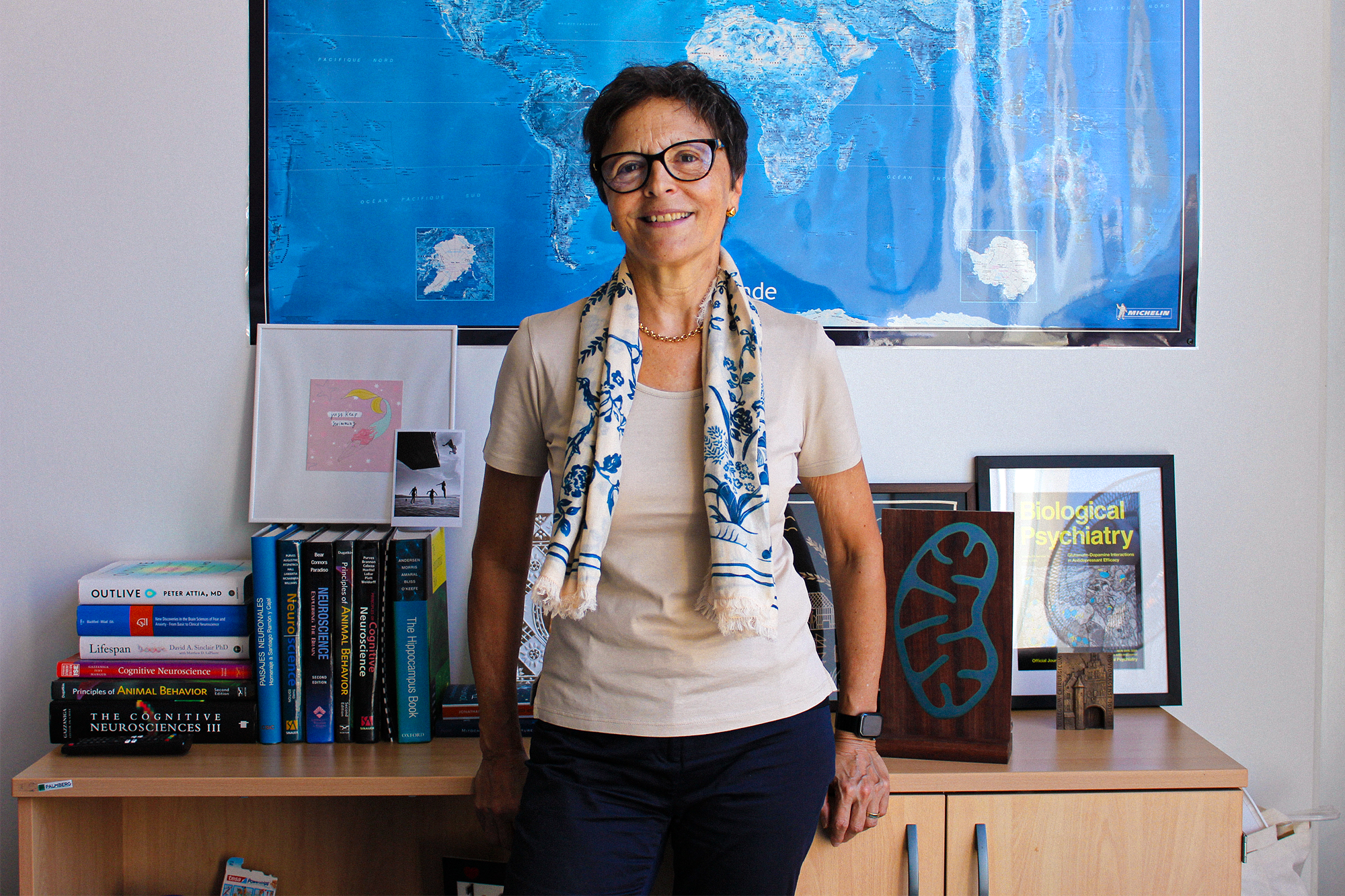
The neuroscientist Carmen Sandi led some of the first studies showing that the activity of mitochondria in brain cells can influence mental state.
Courtesy of Carmen Sandi
Some of the first studies explicitly showing that mitochondria influence mental state in particular — and that such states can be adjusted with therapeutic intervention — came from Sandi’s lab. In 2021, she showed that some of her rats with naturally anxious or depressed behavior suffered from malfunctioning mitochondria in their brain cells. When she and her colleagues experimentally boosted mitochondrial output in the rats, the neurons recovered, and the animals showed fewer signs of anxiety. In a subsequent study, she and her colleagues showed that a commercially available supplement produced the same positive results. “It restored everything,” Sandi said.
Picard, meanwhile, has contributed a string of discoveries linking mitochondria to brain function. Notably, in 2025 he co-authored a mitochondrial map of the human brain that revealed that the organelles vary not only across brain regions but also between cell types within the organ. The map is an invitation, the researchers wrote, for other scientists to begin exploring the “molecular energetic landscape” that underlies brain structure, process, and function — including consciousness. It was a call for others to join them in creating a new field of study.
Pattern Generation
As new findings accrued, Picard came to see brain function as shaped not only by molecules, neurons, and circuits, but also by how energy is transformed and patterned. In his view, our cognition, mood, and conscious experience reflect deeper energetic processes — down to the subcellular level. He even ventures that mitochondria could turn out to be a missing piece of the mind-body puzzle — the microscopic alchemists that coax thought out of matter, responsible for nothing less than “the materialization of consciousness into life.”
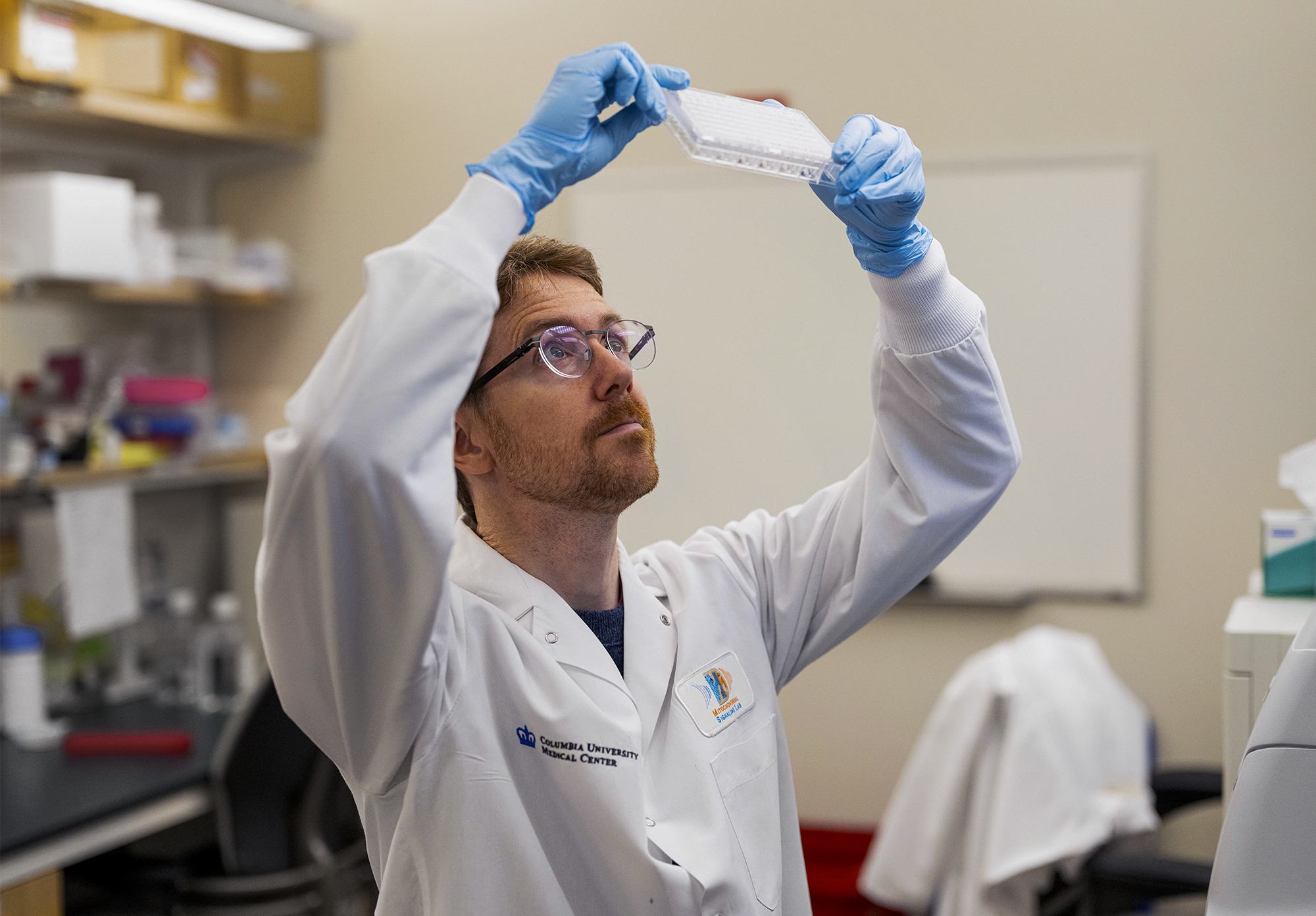
In 2025, Picard co-authored a map of mitochondria across the human brain, “a milestone towards understanding how brain mitochondria are linked to cognitive function and neurological health,” the authors wrote.
Sasha Maslov for Quanta Magazine
Not everyone is on board. José Antonio Enríquez, a molecular biologist at the Spanish National Center for Cardiovascular Research, cautioned that Picard’s ideas about mitochondria and consciousness are interesting but “by no means” demonstrated. “Martin is a good thinker, sometimes a little wild,” Enríquez said. “His claims really have to be evaluated thoughtfully and scientifically.”
Picard knows that his ideas can be a challenging for some of his biomedical colleagues to accept. “I’m a little heretical for wanting to bridge the bioenergetic processes inside mitochondria to the human experience,” he said. “But my sense is, if we don’t do that, we’re failing at the biggest opportunity around.”
The metabolic-chamber study, the results of which are now under review, takes a step in that direction by exploring how mitochondria affect subjective experience. In the afternoon at the 2025 conference, Evan Shaulson, a graduate student in Picard’s lab, presented some initial results.
Participants who had one of two types of rare mitochondrial disease burned 180 more calories per day and expended 15% more energy, even when they were sleeping. “They have to pay a 180-calorie tax every day of life,” Shaulson said, about the equivalent of a slice of pizza. Those subjects reported feeling more fatigued and stressed compared to healthy controls. Biomarkers from their blood showed elevated levels of metabolic molecules such as lactate, which indicate faulty mitochondrial performance and correlate with anxiety.
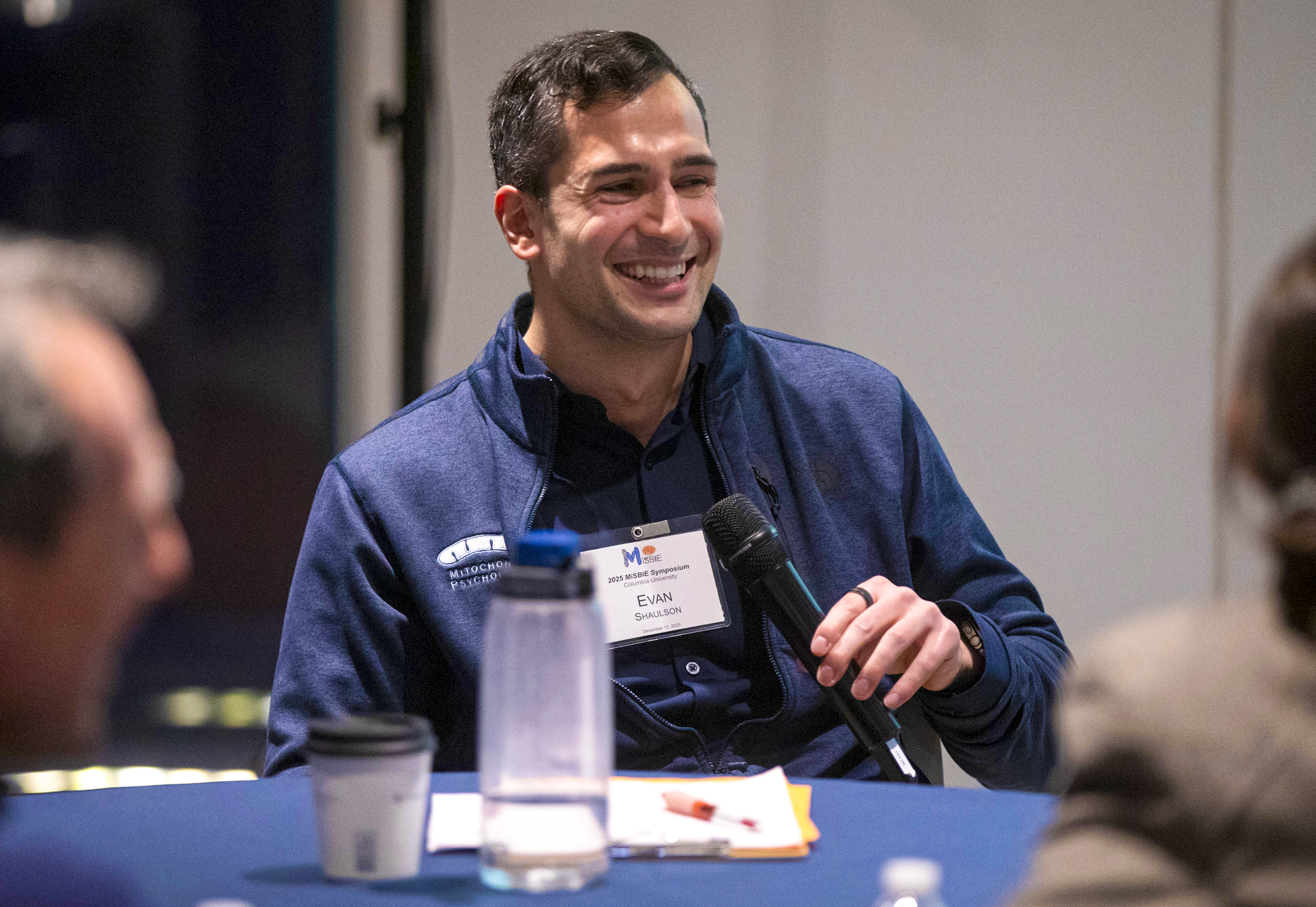
Evan Shaulson, a graduate student in Picard’s lab, is leading a new study to track connections between mitochondrial metabolism and lived experience.
Piotr Redlinski
In a second part of the study, the researchers tracked participants’ energy expenditure during nine days of “free living” in their normal lives. In lieu of an IV line, they drank special water labeled with isotopes, and Picard’s lab members measured how quickly those isotopes were eliminated in urine samples (a well-established proxy for metabolic rate).
Unexpectedly, in the real world the caloric gap between the two groups nearly closed. This was because healthy subjects expended 16% more energy than they had in the chamber, compared to just 5% for the subjects with mitochondrial disease. In other words, Shaulson said, the chamber’s restrictions represented “a more typical day” for people with a mitochondrial disease, who move less because they feel low in energy.
The findings are preliminary and based on a small number of subjects; only 20 people (excluding Picard) have provided data so far. Yet they suggest how mitochondrial processes can “ripple out and affect the organism,” Shaulson said. Studying how those changes originate at the level of molecules and cells and manifest as mood and behavior can potentially lead to a new understanding of and treatments for mitochondrial diseases, he said, while also revealing more about how mitochondria keep the body healthy and functioning.
Herman Pontzer, an evolutionary anthropologist at Duke University who specializes in human bioenergetics and was not involved in the research but is familiar with it, said that the chamber study shines a light on the “control systems in our bodies regulating the calories we burn each day — systems we have yet to fully understand.”
“Picard and his team have helped open the door on these systems and set the stage for future work in metabolism and health,” he added.
The next step, Picard said, will be a bigger study, with around 100 people, led by Shaulson. In addition to spending a few hours in a chamber, participants in the new study will be monitored for six months with wearable devices, an app, saliva samples, and reports of their lived experiences. The findings could “offer a lens and a bridge between behavior, biology, and the mind,” Shaulson said.
Picard will continue exploring these questions and more at a new nonprofit he is founding to translate laboratory discoveries into real-world applications. He envisions the institute, which he plans to launch in 2027 with philanthropic support, as integrating insights about mitochondria, metabolism, and energy with the human experience, establishing a new field of healing science “that will aim to support human flourishing,” he said.
Shaulson acknowledged that it is unusual for a tenured professor like Picard, who publishes in top research journals, to talk about energy flow and holistic healing — topics that tend to fall to yogis, traditional-medicine practitioners, and self-declared spiritual healers. But skepticism among fellow scientists is usually overcome, he said, once they see the data, which justifies the unconventional approach.
Picard agreed that some of the lab’s hypotheses at first strike some academic researchers as sounding a little “woo.” But science has always been driven by bold, challenging ideas that are then rigorously tested and refined. As Picard put it, “There’s a lot of things that used to be considered ‘woo’ until we understood them.”