E360 Film Contest
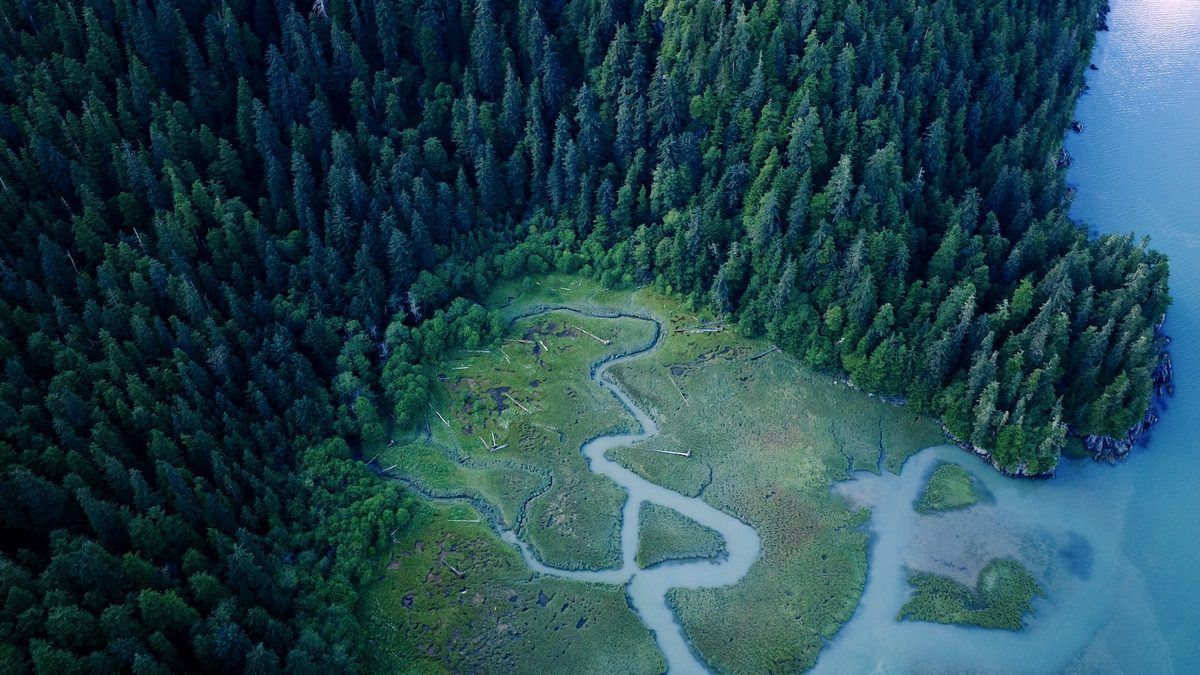
In “Land Less” — the Third-Place Winner of the 2026 Yale Environment 360 Film Contest — filmmaker Alexi Liotti follows the activists fighting a bill that would transfer thousands of acres of Alaskan rainforest to five Native corporations, opening the land to logging.
More than half a century ago, the U.S. Congress transferred 44 million acres of public lands in Alaska to for-profit Native corporations, which have been free to exploit those lands, including by logging them. Last year, the state’s congressional delegation introduced a new bill, the Alaska Native Landless Equity Act, which would transfer an additional 115,000 acres from the Tongass National Forest — the world’s largest temperate rainforest — to five newly formed Native corporations. Those lands contain 80,000 acres of ancient forest, including 60,000 roadless acres. Should the bill pass, many environmental activists fear much of that land will be clearcut.
Last summer, British Columbia-based filmmaker Alexi Liotti followed one of those activists, Joshua Wright, as he traveled through southeast Alaska, using satellite imagery to document pristine and highly biodiverse areas at risk of being logged under the Landless Act. In Juneau, Wright met with Native Tlingit matriarch and Tongass defender Wanda Culp, who decried the proposed legislation and likened the logging of old-growth forest to “slicing up our culture.”
As Liotti filmed, he says his focus shifted from the Landless Act itself to questioning who gets to take responsibility for and ultimately decide the future of public lands. “I hope people come away seeing places like the Tongass not as lines on a map,” he says, “but as living landscapes whose future depends on the choices we make today.”
About the Filmmaker: Alexi Liotti is a Canadian documentary filmmaker whose work explores the relationship between people, place, and nature. His debut feature documentary, Rematriation, received the Best Environmental Film award at the Vancouver International Mountain Film Festival. His films have been supported by ORTOVOX, Arc’teryx, The North Face, Red Bull, and the CBC.
About the Contest: Now in its 13th season, the Yale Environment 360 Film Contest honors the year’s best environmental documentary shorts from around the world. This year we received 596 submissions from more than 80 countries across six continents, with the winners selected by the editors of Yale Environment 360.