MAY 7. 2026

It was hard for us, the way you diedevery day, slowly and then all at once, just as such things are said to happen. Spring came, so soon it almost seemedyou

FBI agents who raided an Indiana farm in 2014 were astonished to find some 42,000 artifacts and bones looted by an amateur archaeologist.

Walter Lippmann was the most influential political commentator of his generation, but behind his preternatural confidence was a far more complicated and unsettled character.

In Everthing Is Now, J. Hoberman chronicles a radical avant-garde's attempts to jostle New York City out of its postwar complacency and moral retrenchment.

Jean-Paul Marat’s assassination transformed the reviled mouthpiece of revolutionary bloodthirstiness into the revered martyr of the people’s cause.

Ben Lerner’s dazzling new novel, Transcription, plays variations on the conflicts and bonds that are felt among three generations.

In Liza Minnelli’s riveting memoir, the ghost of Judy Garland is felt on every page.

Bill Gates was the monopolistic father figure who Silicon Valley’s young founders rebelled against—and, in so rebelling, became.

Cutting-edge U. S. models are too expensive for much of the world.

Used to outwitting his enemies, the Russian leader is running out of room for maneuver.
Scientists are increasingly worried that a vast system of ocean circulation, which delivers warmth to northern Europe and impacts climate globally, is at risk of collapse. Mounting evidence suggests it may be nearing a tipping point, though the research is far from certain.

The post At Least 79 Kids Have Been Harmed by Tear Gas or Pepper Spray During Trump’s Immigration Crackdown appeared first on ProPublica.
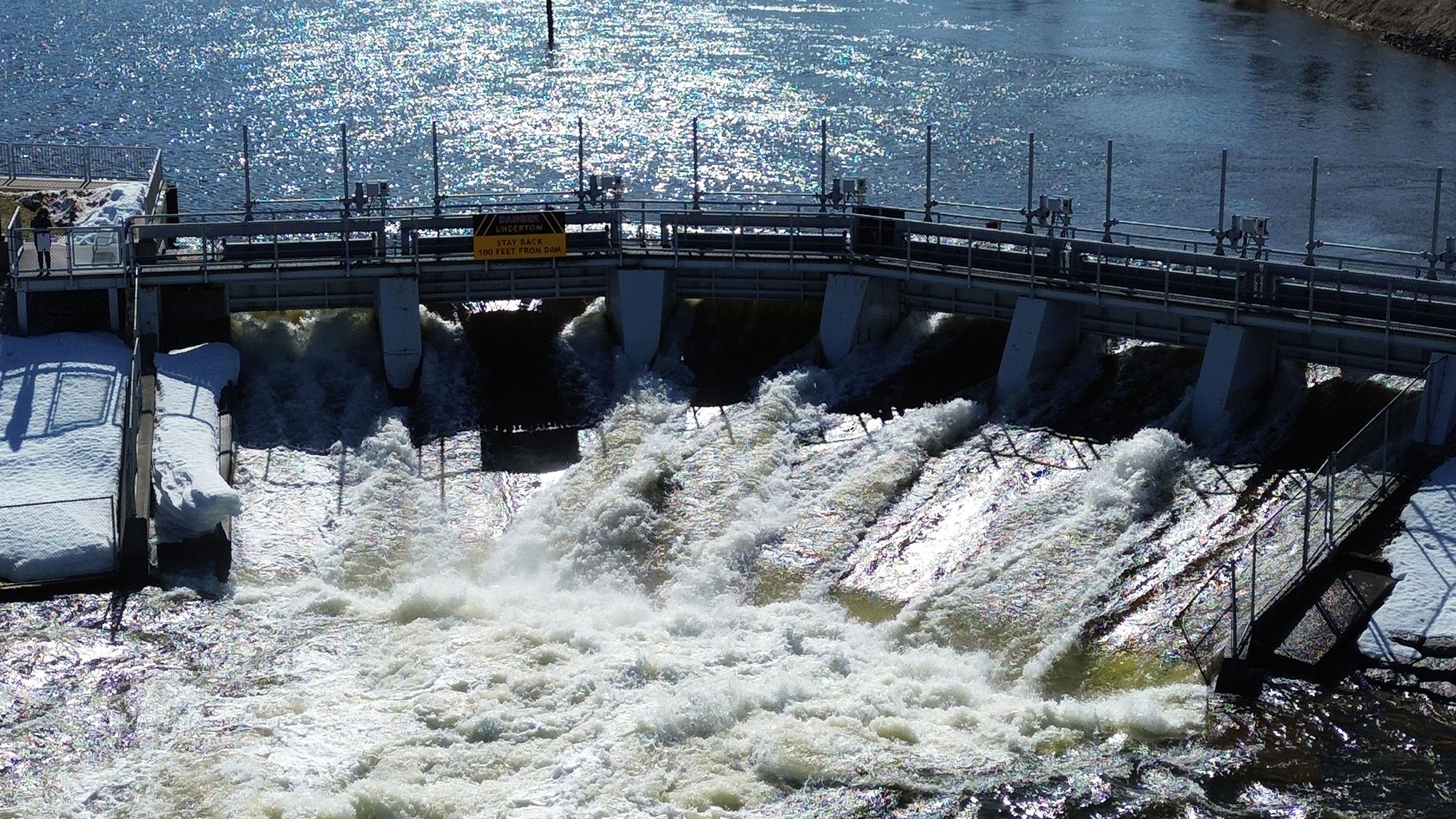
Record flooding pushed Michigan's dams to the brink of disaster. It showed just how unprepared U. S. infrastructure is for a warming world.

After years of quiet encroachment by ordinary people, the Islamic Republic reclaims the urban landscape.
MAY 6. 2026

A reported memorandum would end the war, reopen the Strait of Hormuz, and lay the framework for future nuclear talks.

India’s ruling party got a boost from four state elections this week—and unseated a longtime rival.

Ahead of the Trump-Xi summit, Beijing is pushing back on Washington.

The EEOC sued the New York Times for discriminating against a white man. Benjamin North, a lawyer behind it, has a history of fighting reverse discrimination.

Iran shows that the delusions that caused Iraq and Afghanistan persist.

Officially or not, Washington is now breaking the taboo and talking about its ally’s bombs.