QUANTA MAGAZINE
JULY 23. 2026
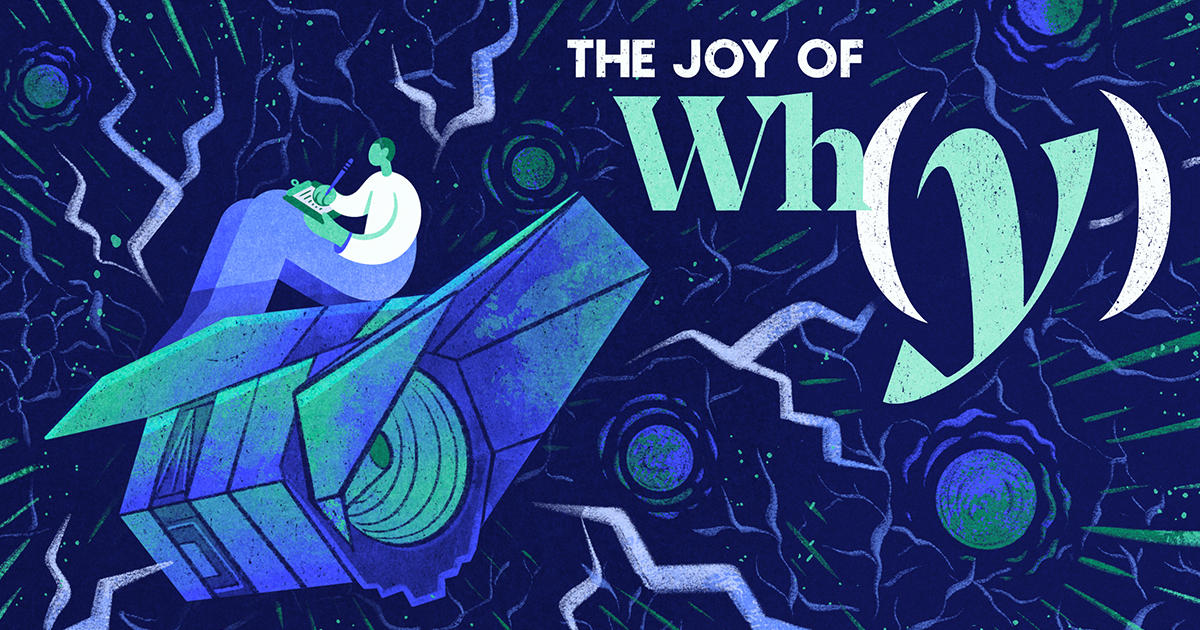
One of the most contested issues in astrophysics is our understanding of the Universe’s expansion. Adam Riess discusses why there is disagreement and what might resolve it.
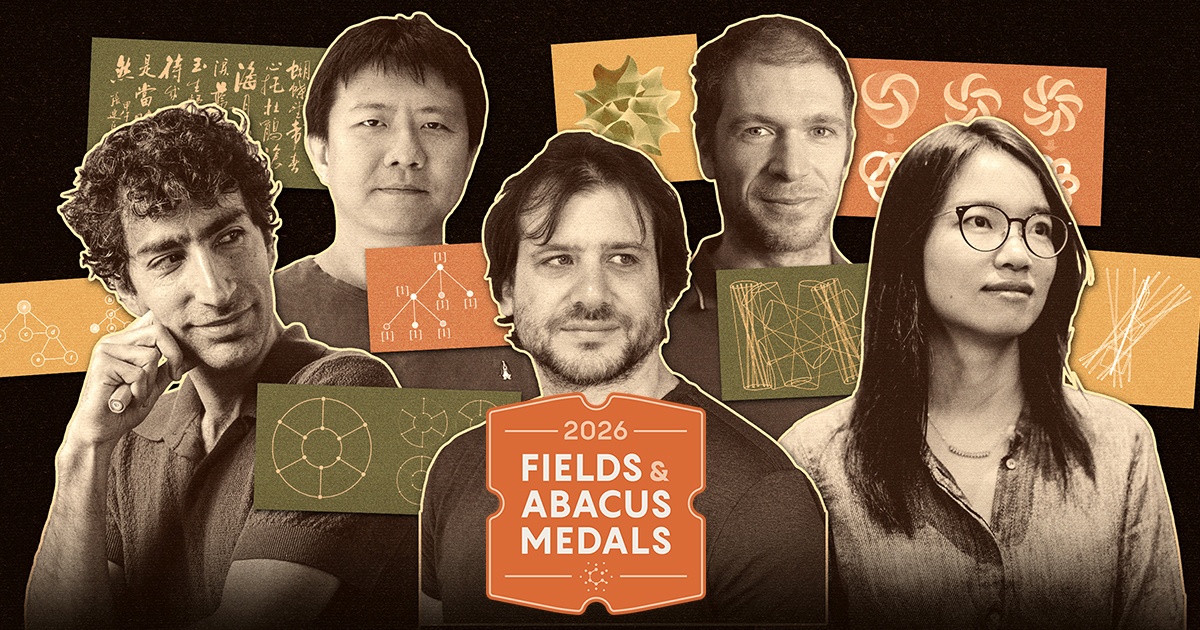
Every four years, the math world’s preeminent awards are given to the finest minds of a generation. The young winners — all under 40 on the first day of the year — have reshaped mathematics and theoretical computer science. Here are their stories. The post Fields and Abacus Medals 2026 first appeared on Quanta Magazine
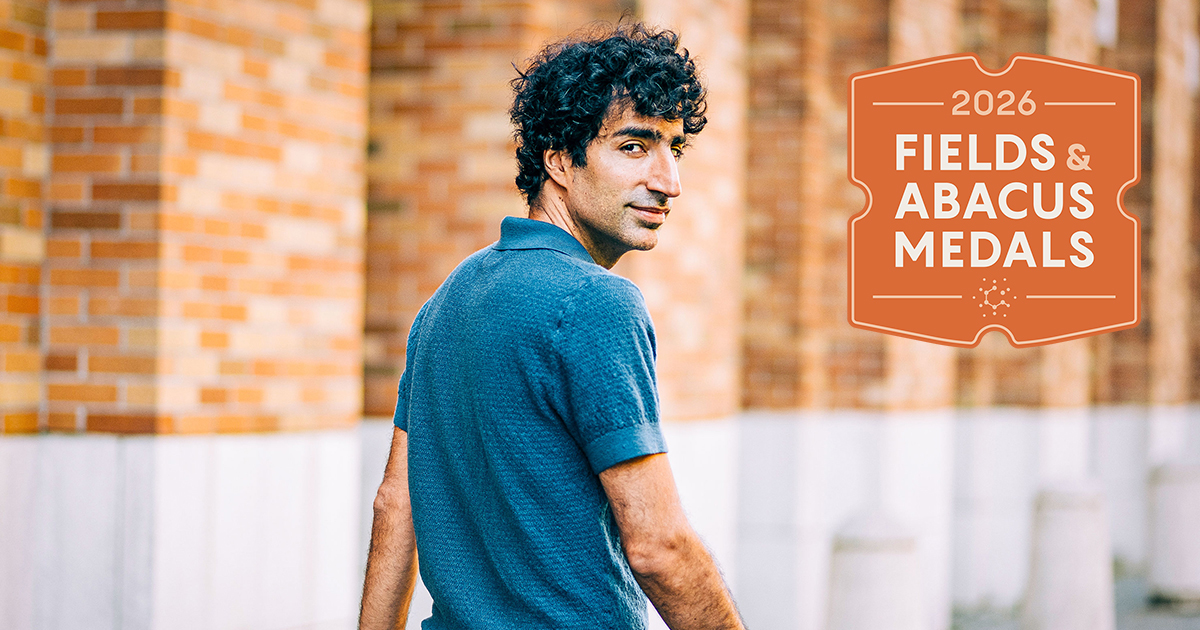
Shayan Oveis Gharan has won the Abacus Medal for using tools from across mathematics to boost the power of algorithms.
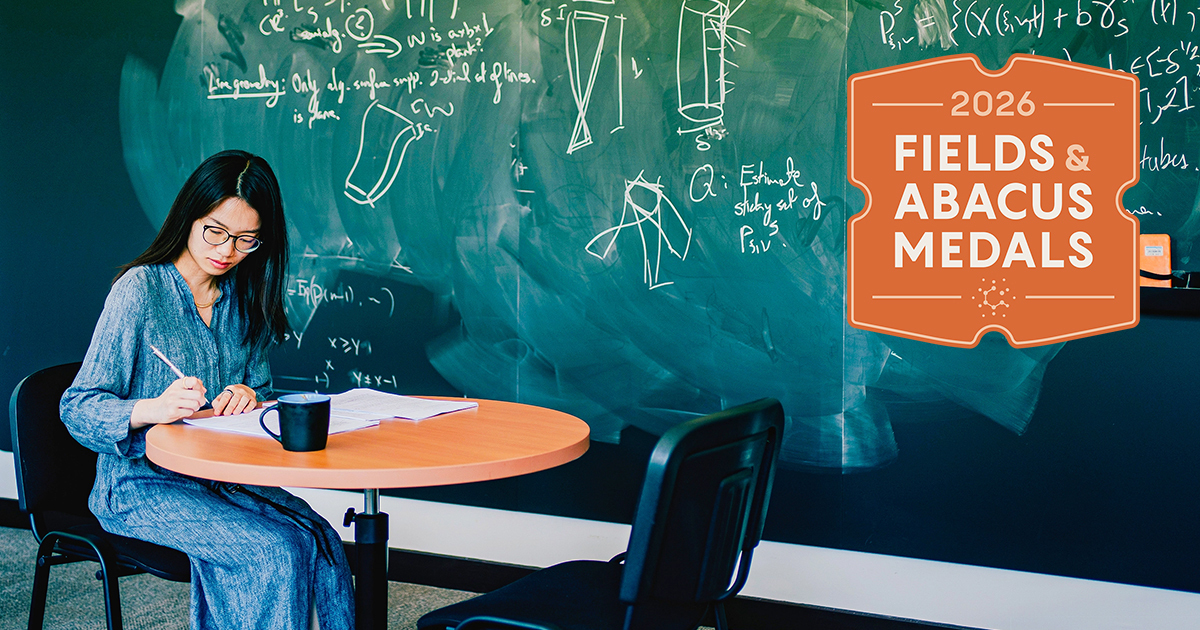
Focus, commitment, and insight resulted in a “once in a century” proof. Hong Wang is now just the third woman to win a Fields Medal.
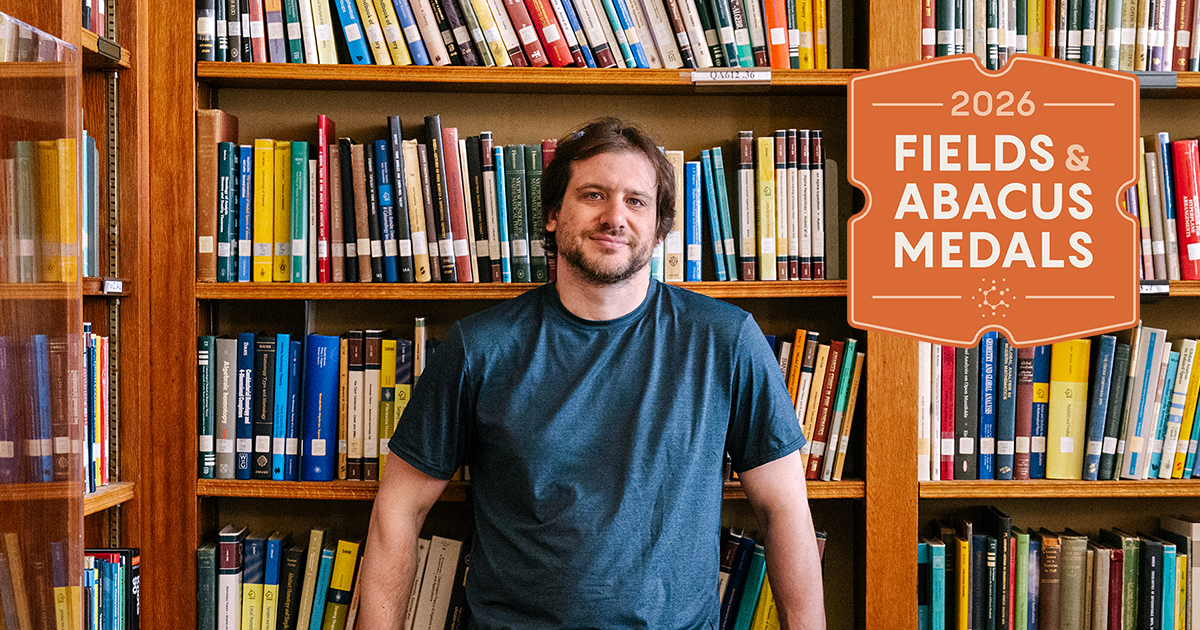
Determination and effort propelled Jacob Tsimerman to the top of the math world. But now that he’s won a Fields Medal, he worries that the field is in jeopardy.
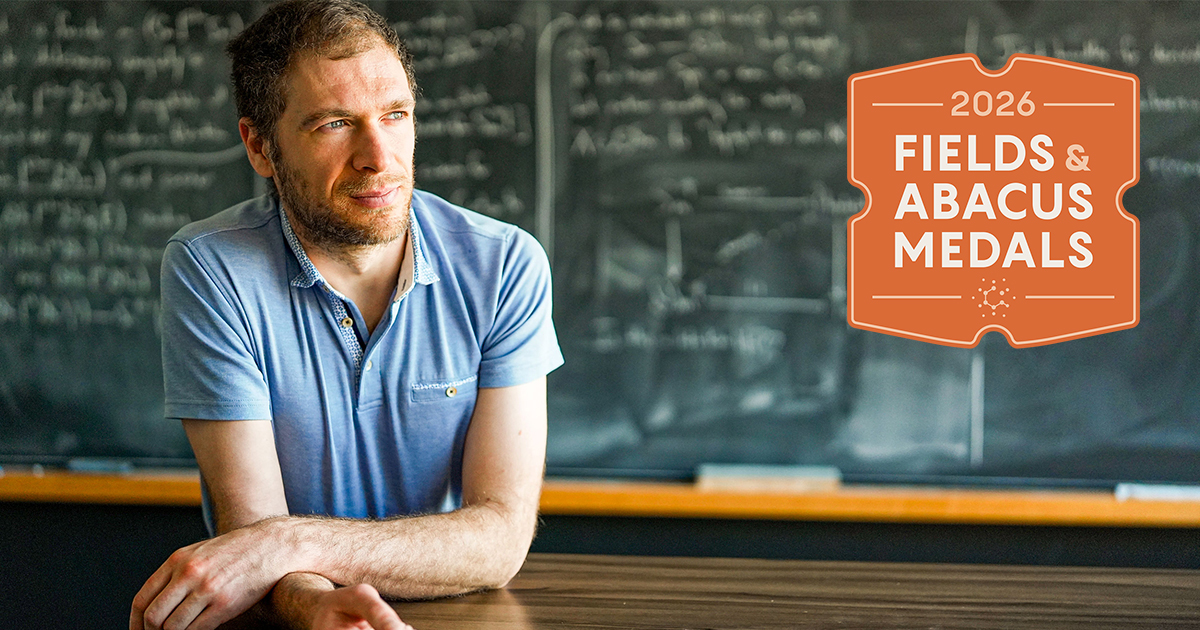
John Pardon sees connections between different areas of math that others don’t. For that vision, he’s now been awarded a Fields Medal.
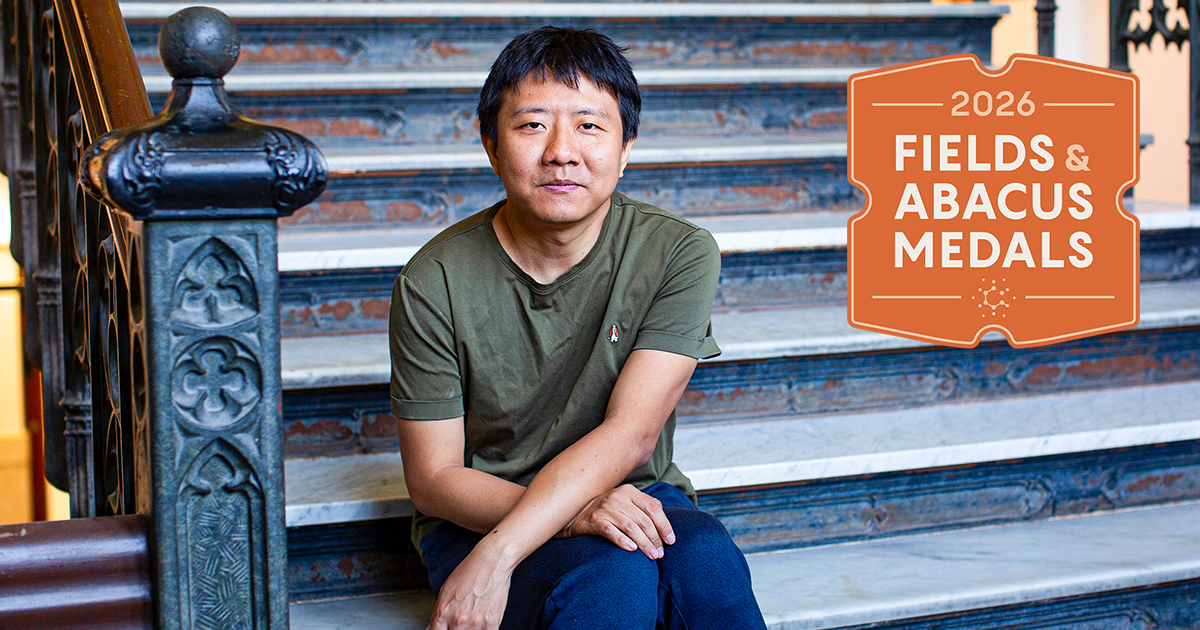
Before he won a Fields Medal for his pioneering work balancing randomness and order, Yu Deng first had to achieve equilibrium in his own life.
JULY 20. 2026

Extremophiles that thrive in the most unforgiving environments aren’t just biological curiosities. Understanding their resilience has many implications for us.
JULY 17. 2026
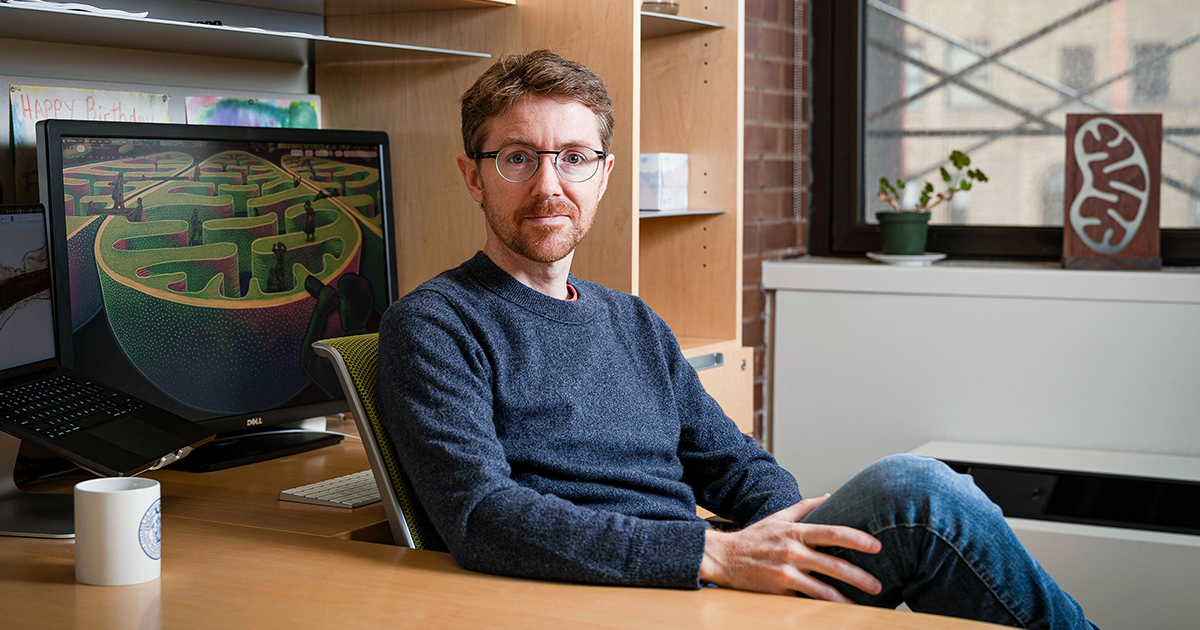
The biologist’s bold “energetic view of life” looks to the body’s strangest organelles as the link between cells, health, and mind and the foundation of our experience of being alive.
JULY 15. 2026
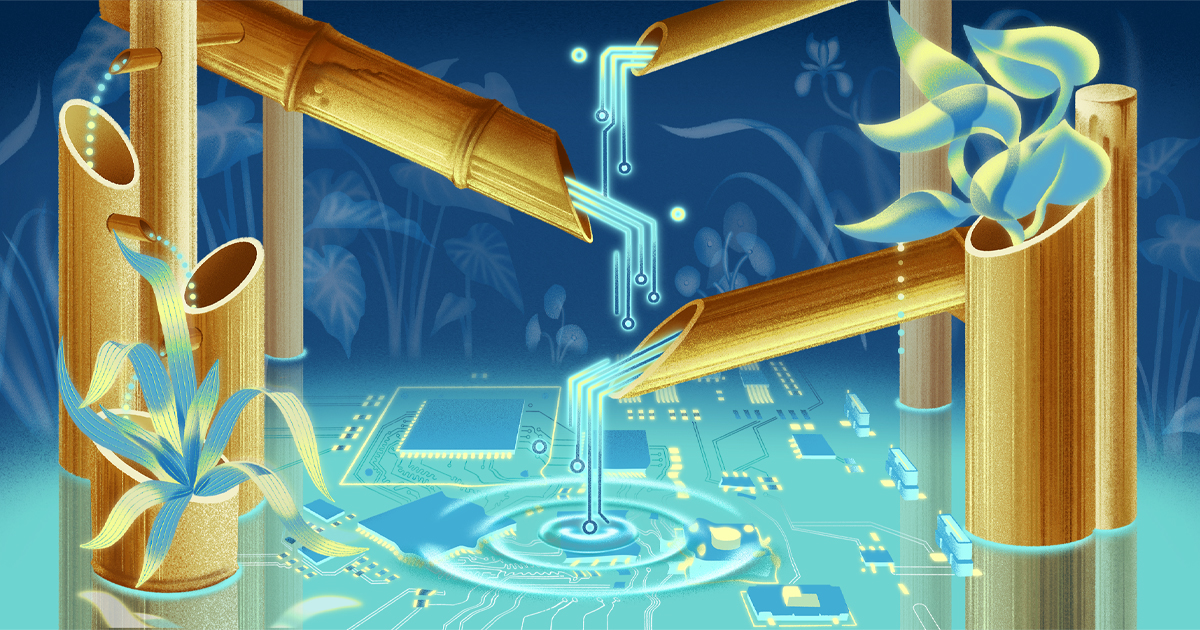
Today’s computers need safeguards against random energy fluctuations. Thermodynamic computers would put those fluctuations to use.
JULY 13. 2026
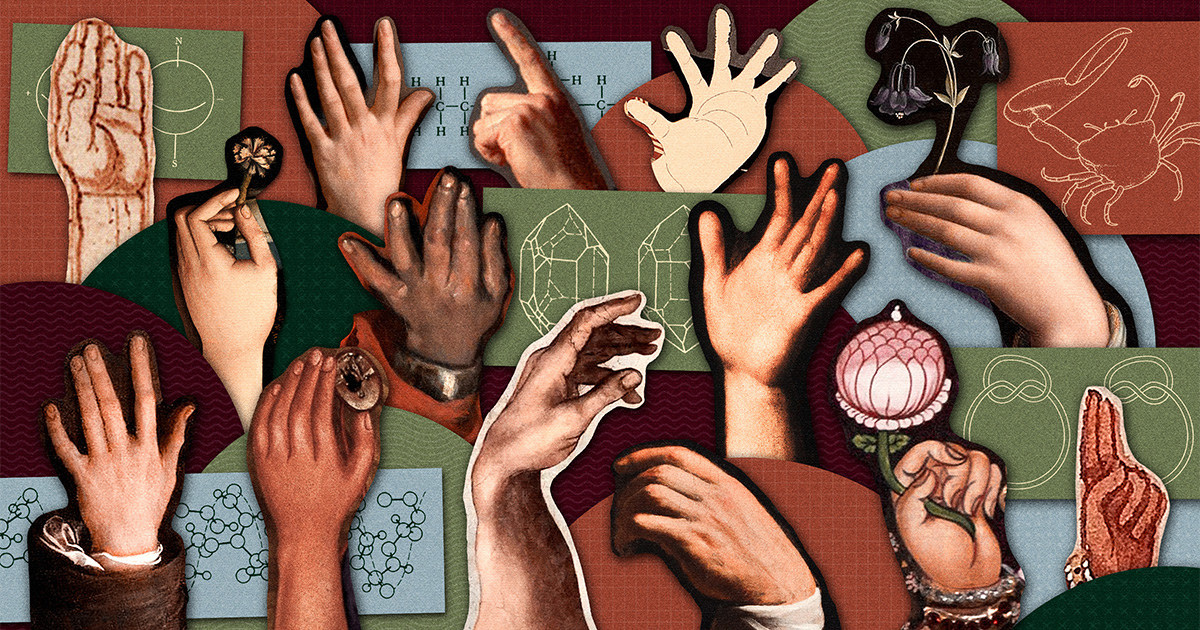
An invisible difference in 10% of humans poses deep mysteries in several fields at once.
JULY 10. 2026
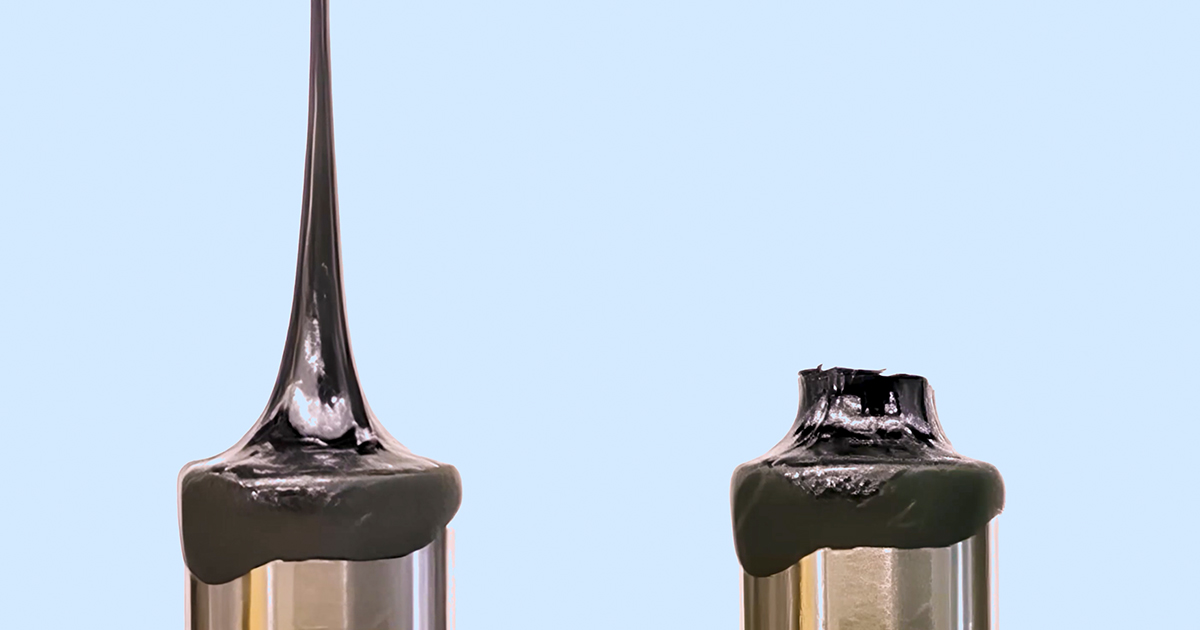
Researchers thought that what enabled complex fluids to break apart was their elasticity. But a crack in a nonelastic simple fluid has them questioning that idea.
JULY 9. 2026
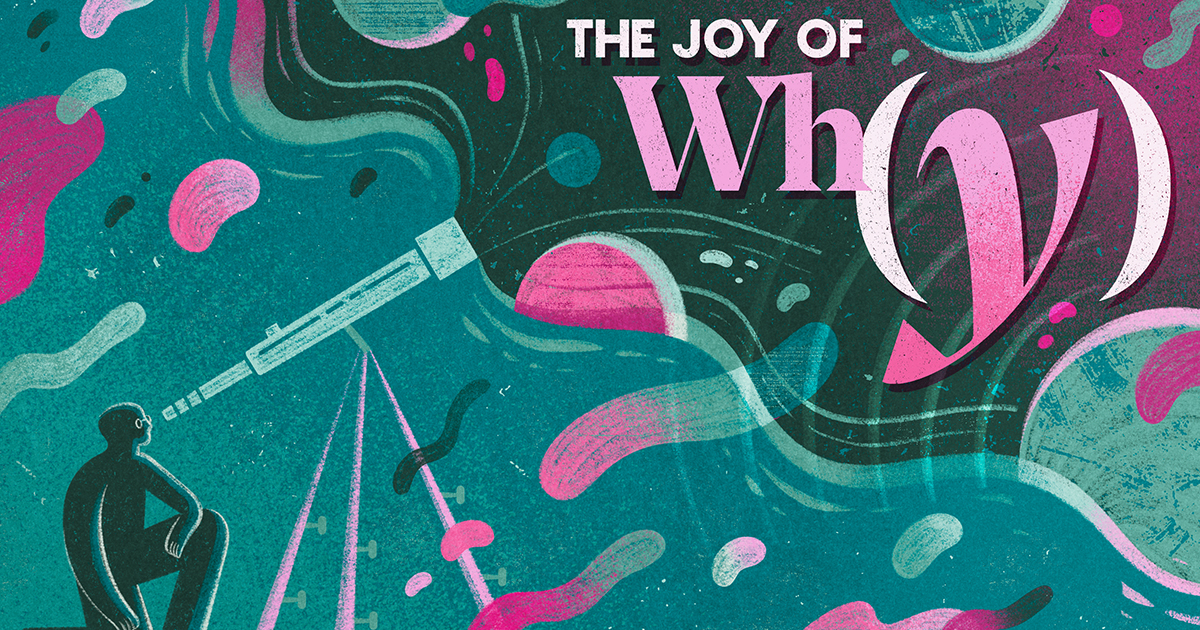
Astronomer David Kipping discusses why claims of extraterrestrial life keep dissolving under scrutiny, why we need a more statistically grounded approach to searching for life beyond Earth, and why it’s rational to believe that we may be alone.
JULY 8. 2026
The idea of ‘biological agency’ — that life devises its own goals and behaves accordingly — complicates our understanding of what it means to be alive. But does it serve a scientific purpose?