Many Pentagon projects face delays, budget increases and performance issues. The causes of these problems are often opaque to the taxpayers who foot the bill. Help point us to the most important stories.
metazine

Citing ProPublica’s reporting, eight senators wrote a letter to Secretary of State Marco Rubio questioning the administration’s approach to foreign health data. They said it could set an “alarming precedent. ”
The iconic action-adventure video game Grand Theft Auto is going all-virtual for its first new edition in 13 years, which is expected to reach €3-5 billion in…
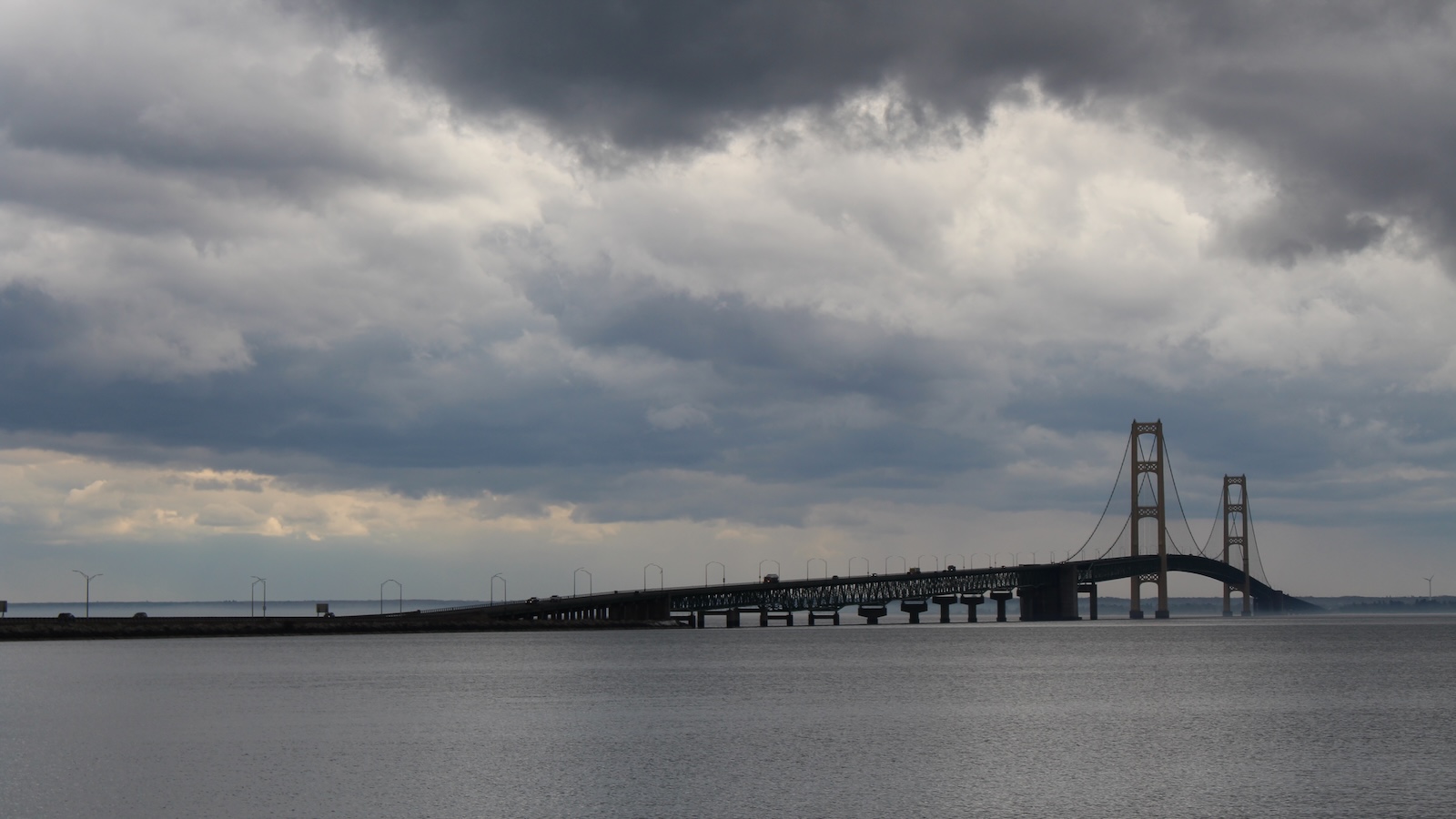
The proposal to replace a segment of Line 5 in the Great Lakes still needs state approval. Tribes say the federal review violates treaty rights.

The $8B Airo fleet will bring cleaner engines, greater capacity, and faster trips to more than a dozen routes across the country.
The additional shade reduces evaporation and stress on the plants, all while generating clean electricity.
Despite administration promises, aid cuts are leaving Afghan mothers and children to die.
U. S. government actions undermined the Trump official’s Southeast Asian tour.