AUGUST 12. 2026

A conversation with Krista Diamond about Close Relationships with Strangers
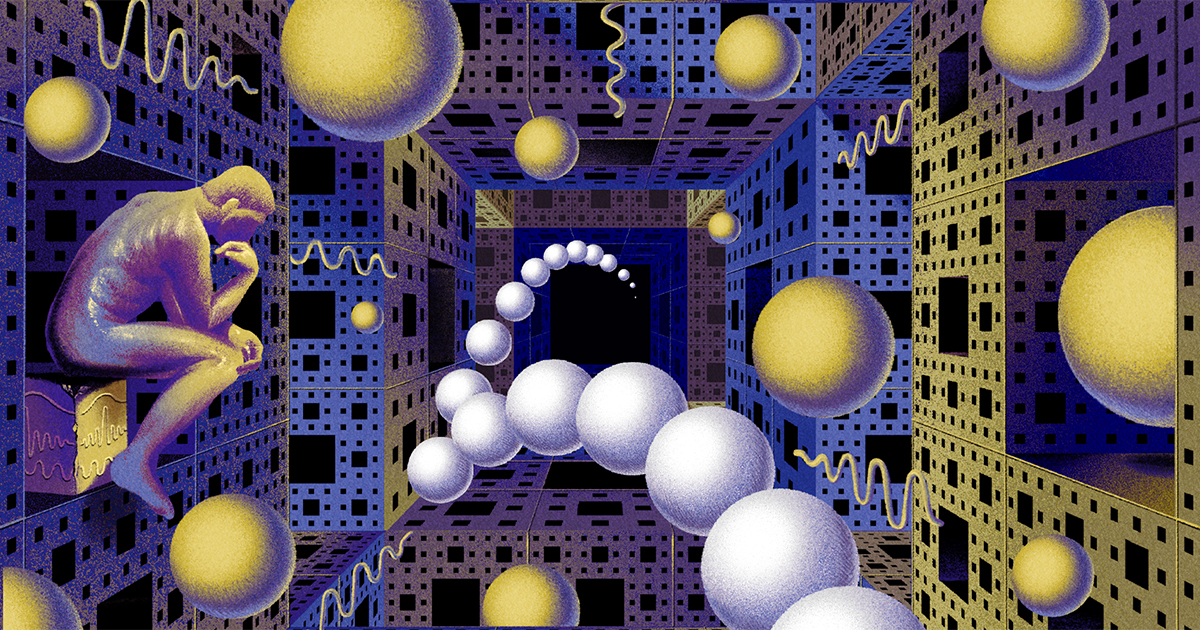
The math, which combines chaos, quantum theory, and infinitely complex fractal structures, has been called a “foundational result. ”

As an artist in the second half of the twentieth century, Jerry Moriarty did everything you weren’t supposed to do: he painted people, he painted places,
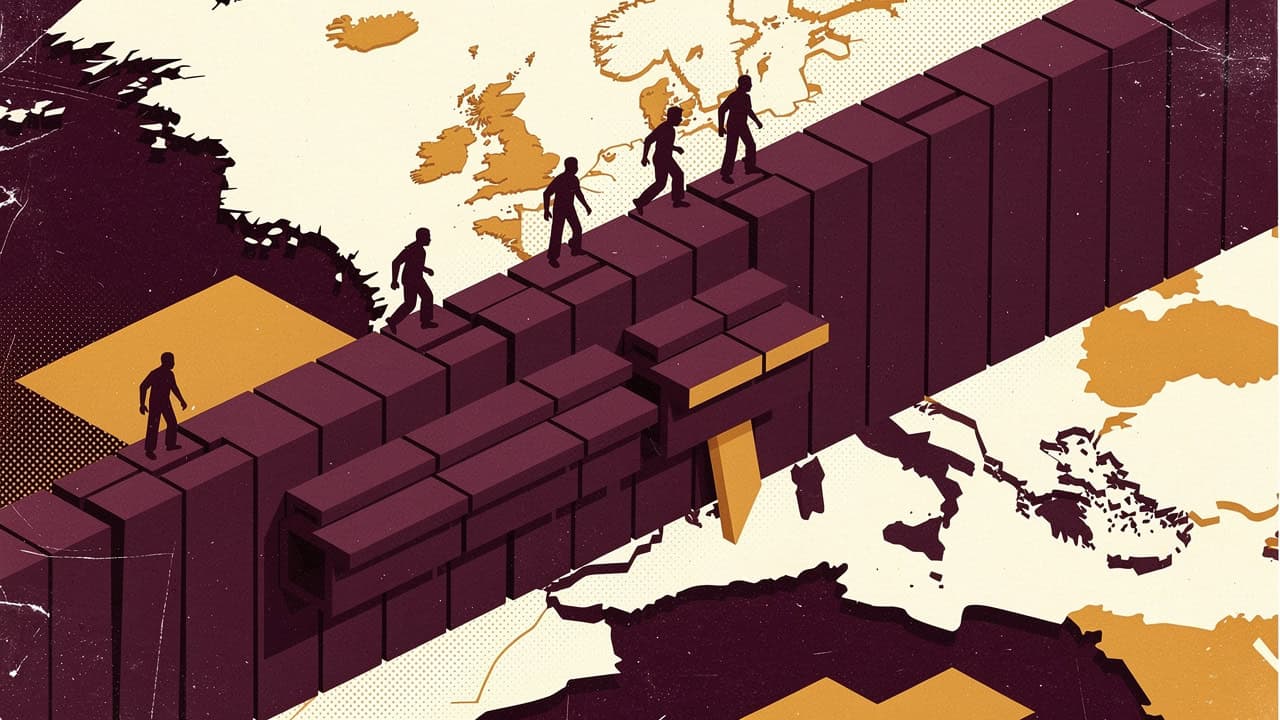
Like Berlin in 1989, Ceuta was an accident of history — but Europe’s response may entrench its walls.

General Dynamics opened a Texas factory to churn out artillery shells for Ukraine, but the machines kept breaking. Robot arms smashed into things. Hunks of metal crashed to the floor. There was even a real-life dumpster fire.

Tennessee’s highest-security youth prisons are operated by a single private company. Former staff say they felt pressure to hide abuse and other serious incidents from the state and to handle medical emergencies without calling 911.

Unseasonably warm weather that rapidly melts snowpack is becoming more widespread in the U. S. West and happening earlier in the year.
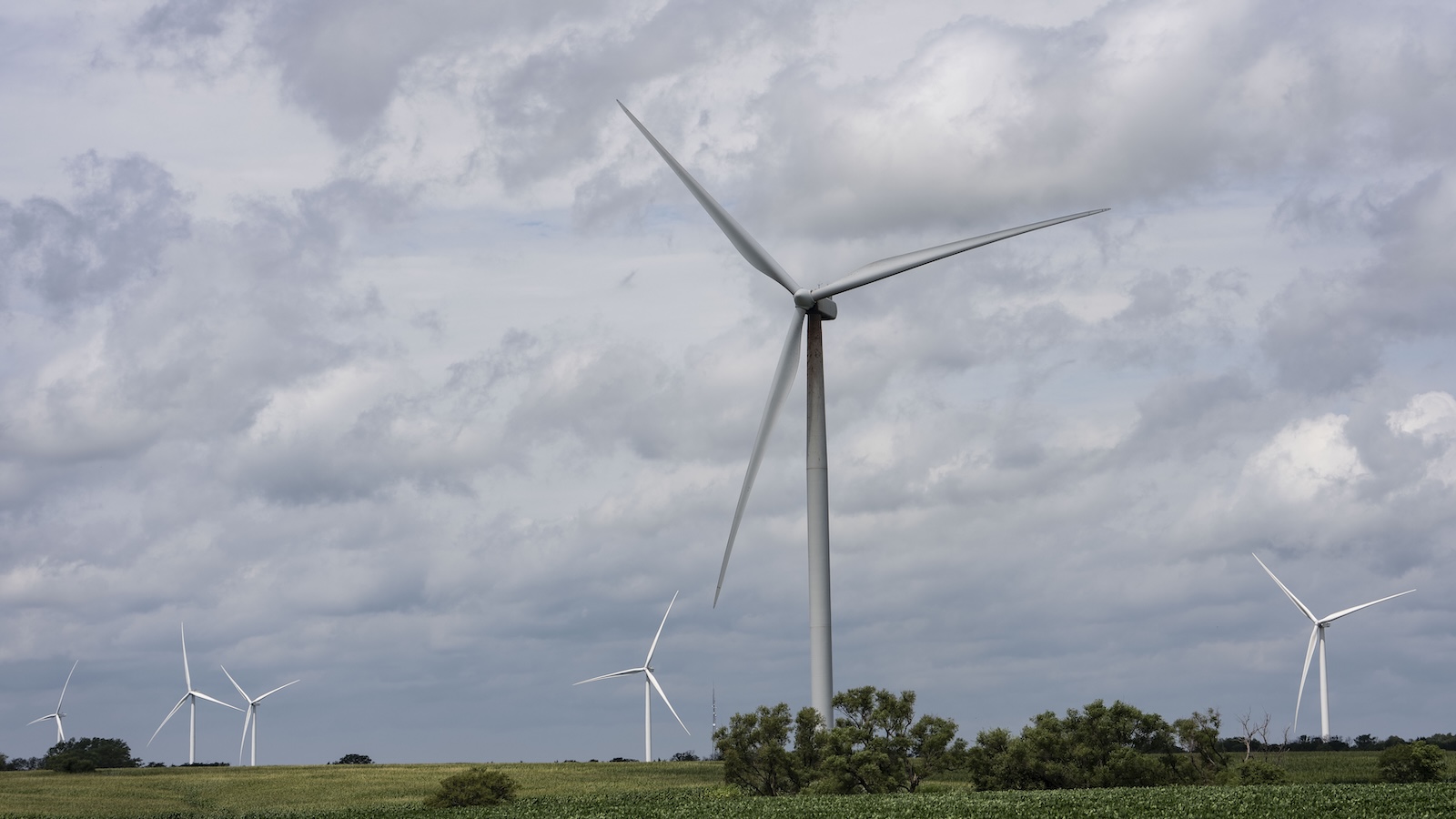
More than 88 percent of the taxes on wind and solar went to just 10 of the state’s 93 counties.

Coach travel shown to be consistently cheaper than flying when these realistic travel needs are taken into account.

Moscow will soon have to redirect a growing share of its exports to Asia.

A Bangkok visit by junta leader Min Aung Hlaing reinforced the two countries’ ties.

Tehran’s proxy risks pushing a newly consolidated Saudi Arabia into an all-out ground war.

Today marks the beginning of an unusual phenomenon.

Euro banknotes are. .. boring. The designs chosen for the new currency in 2002 skipped any debate on the highlights of European culture or history.

The European Union buys around 97% of its crude oil and nearly 88% of its natural gas from abroad, making it particularly vulnerable to price spikes and supply…
AUGUST 11. 2026

What’s behind the defense pact between Turkey, Saudi Arabia, and Pakistan.

The technology is far less divisive than in the United States.
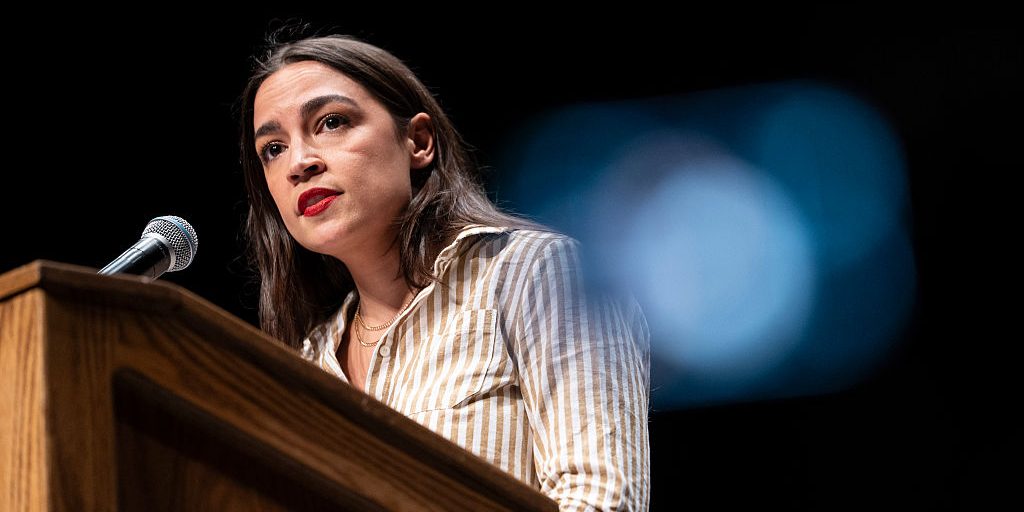
Millions of protesters in the streets after George Floyd wasn’t the “crazy” part. Centrist Dems selling them out was.

President Abelardo de la Espriella took office mere days before a major earthquake struck the country.

Government officials told The Intercept the War Department’s latest civilian casualty report was “sickening” and a “joke. ”